 The most valued gift
c. 1000 BCE164317741804Early 1800s12 October 1835185330 April 18541855187110 October 1874By 187514 May 18791916192010 October 1970
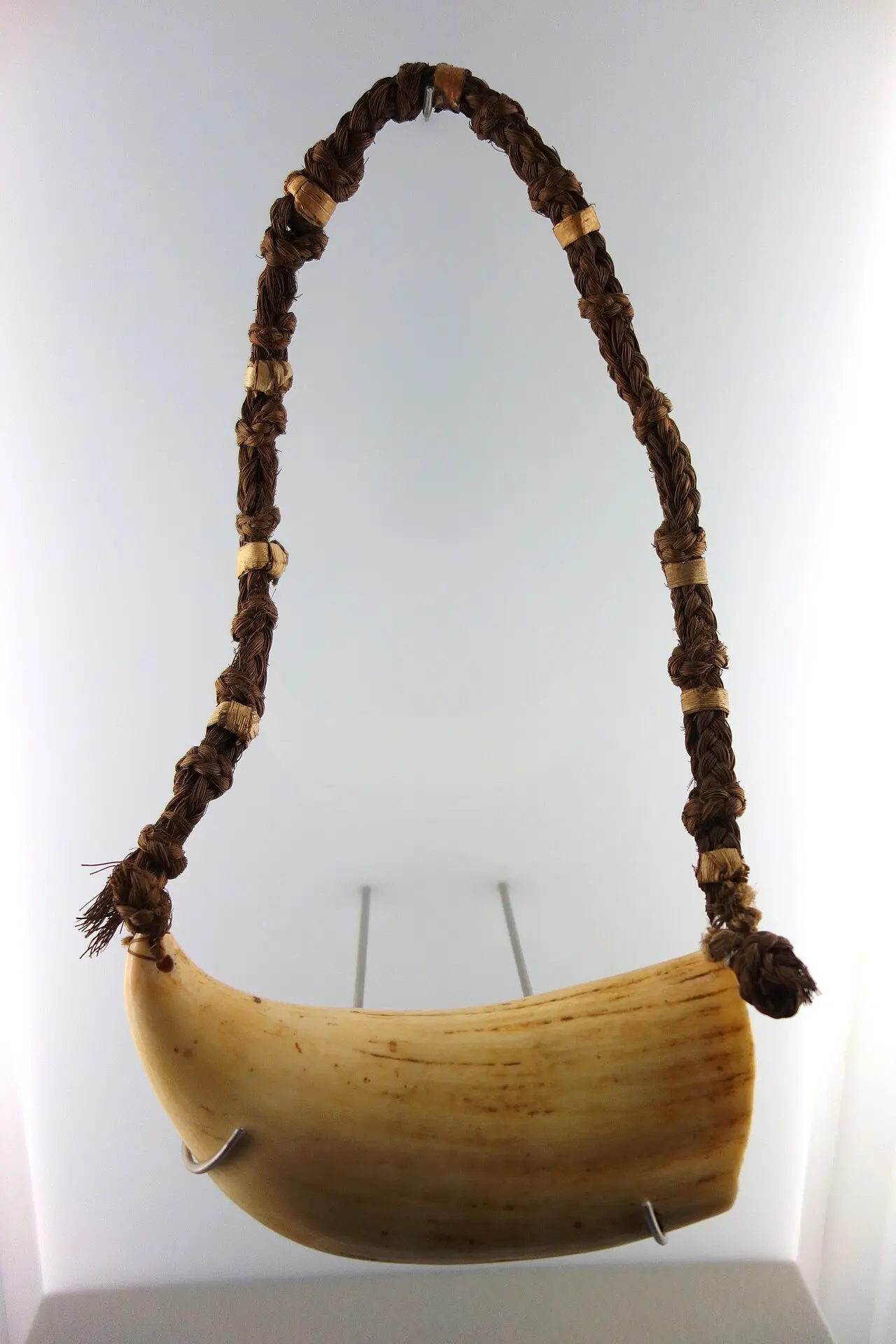
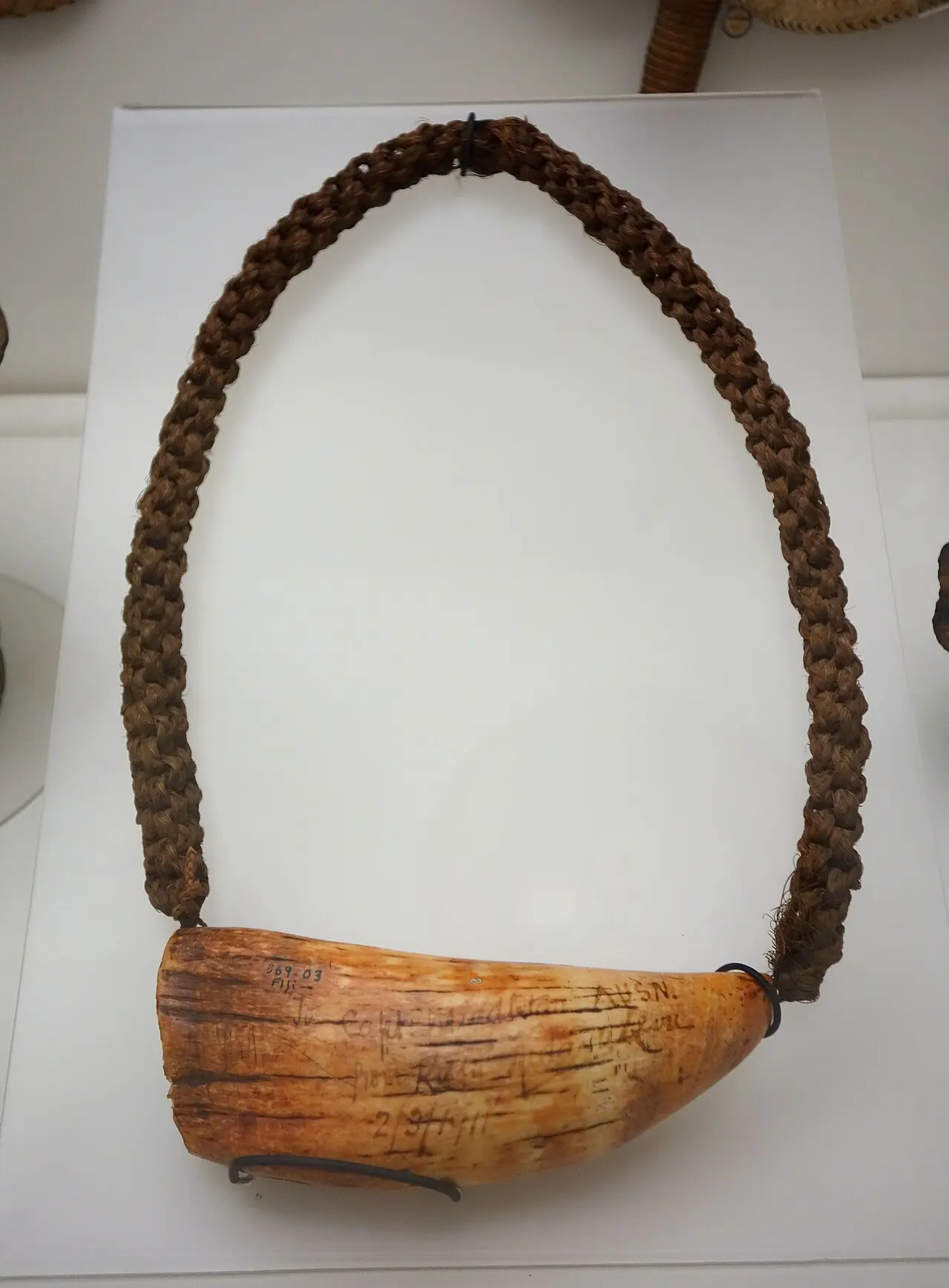
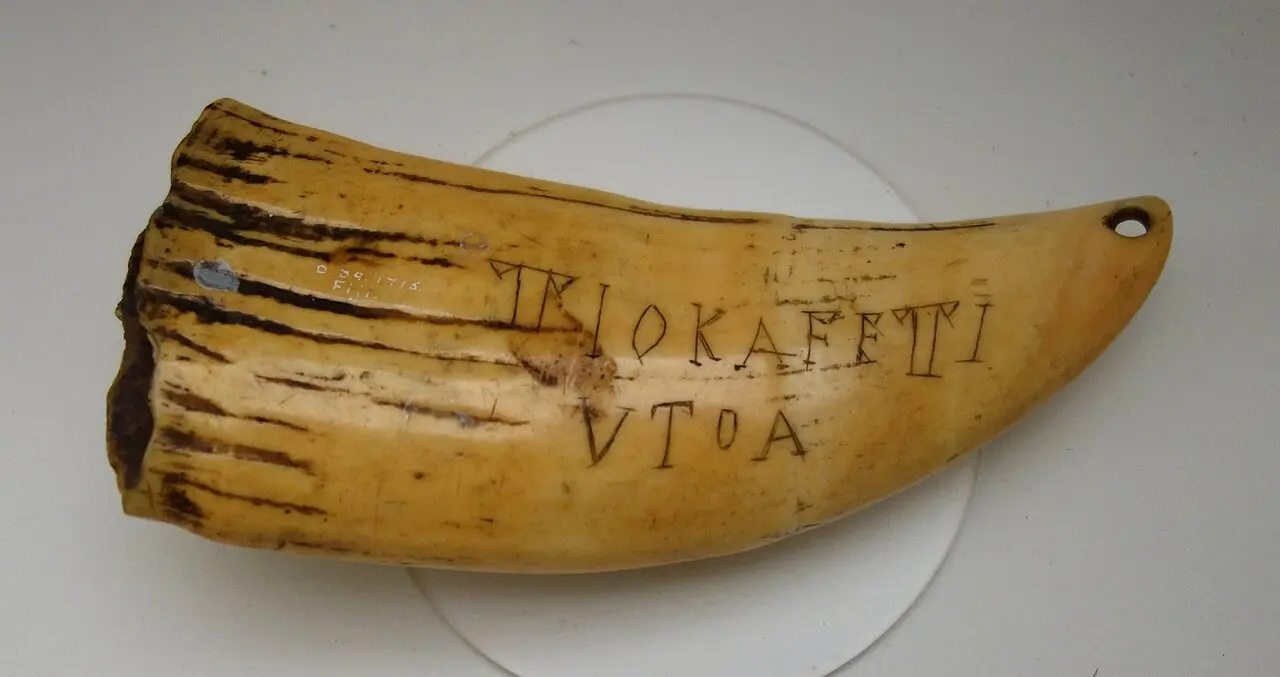
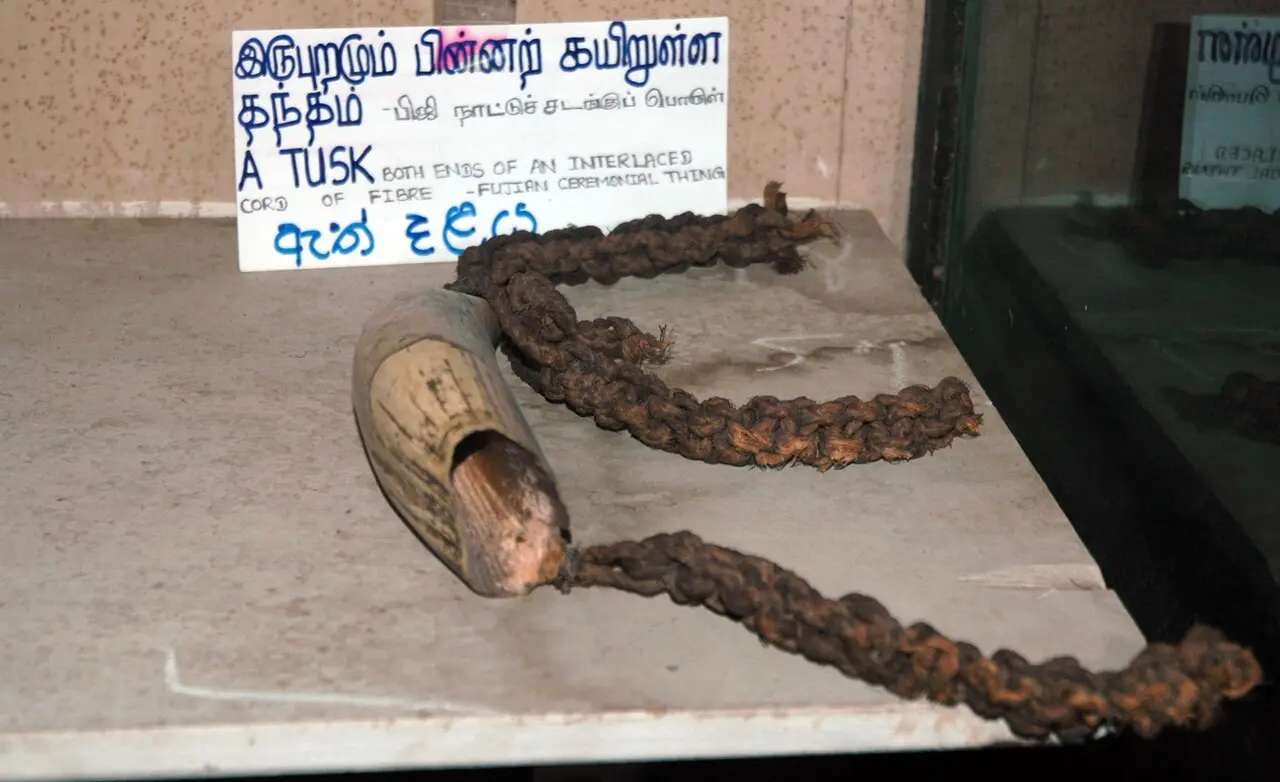
Tabua — the whale’s tooth
The most valued gift
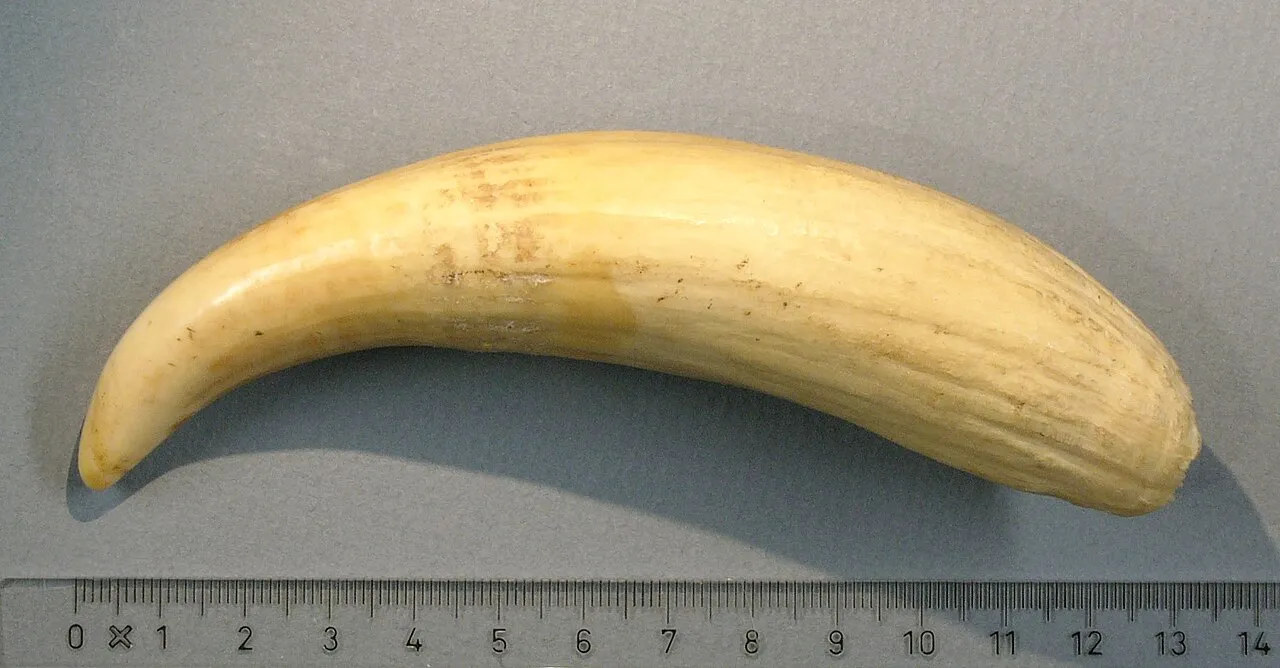
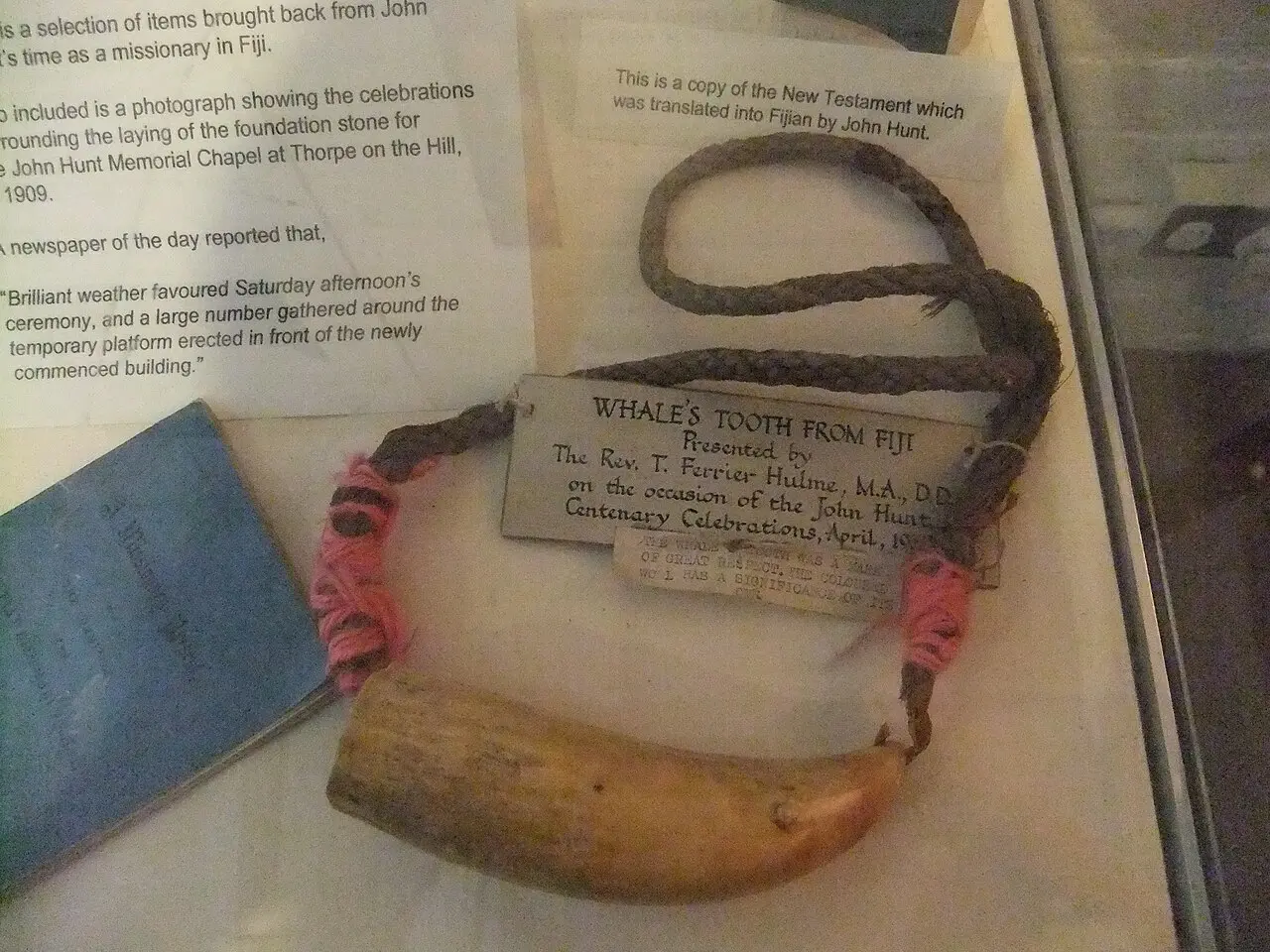
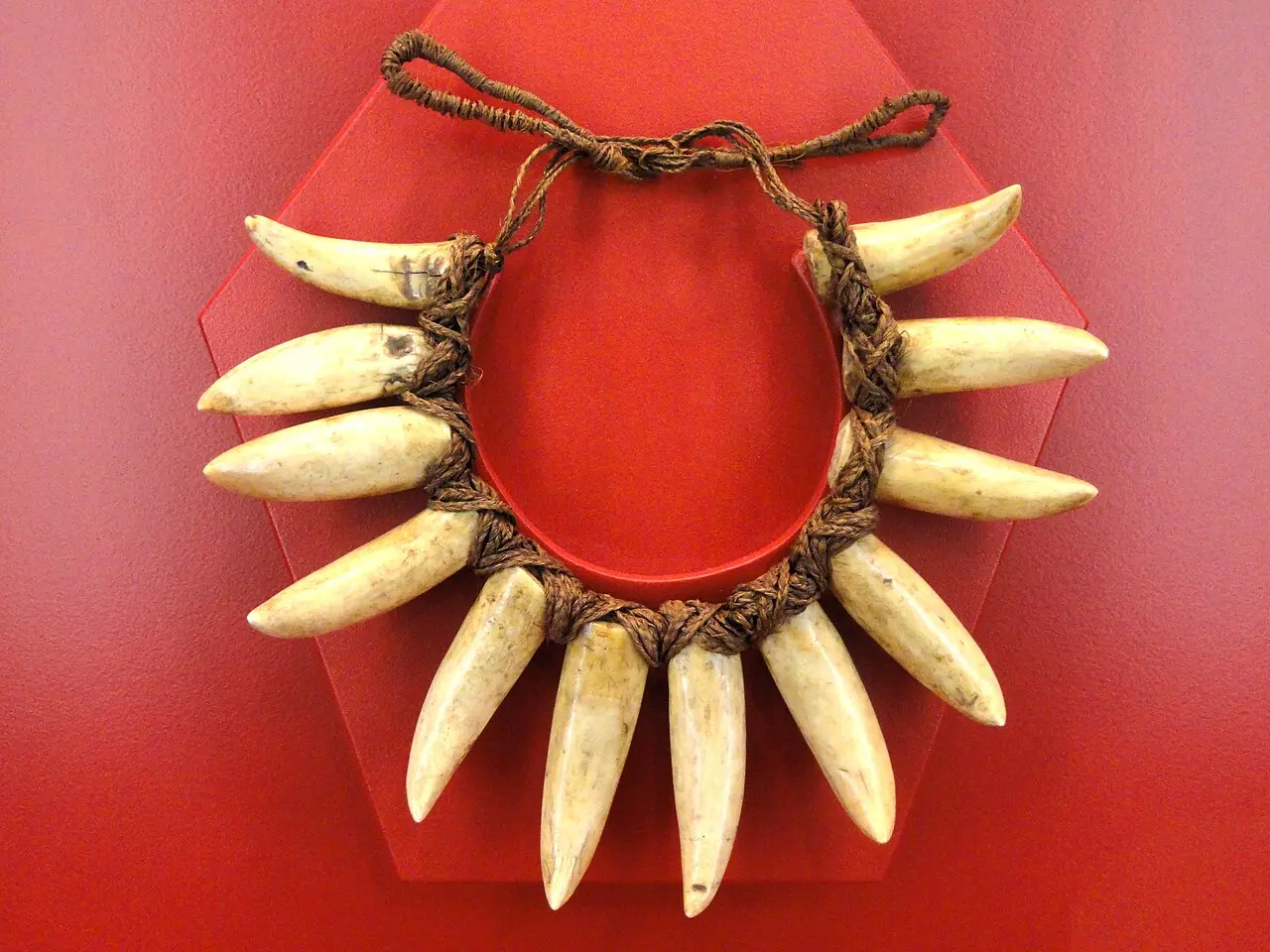
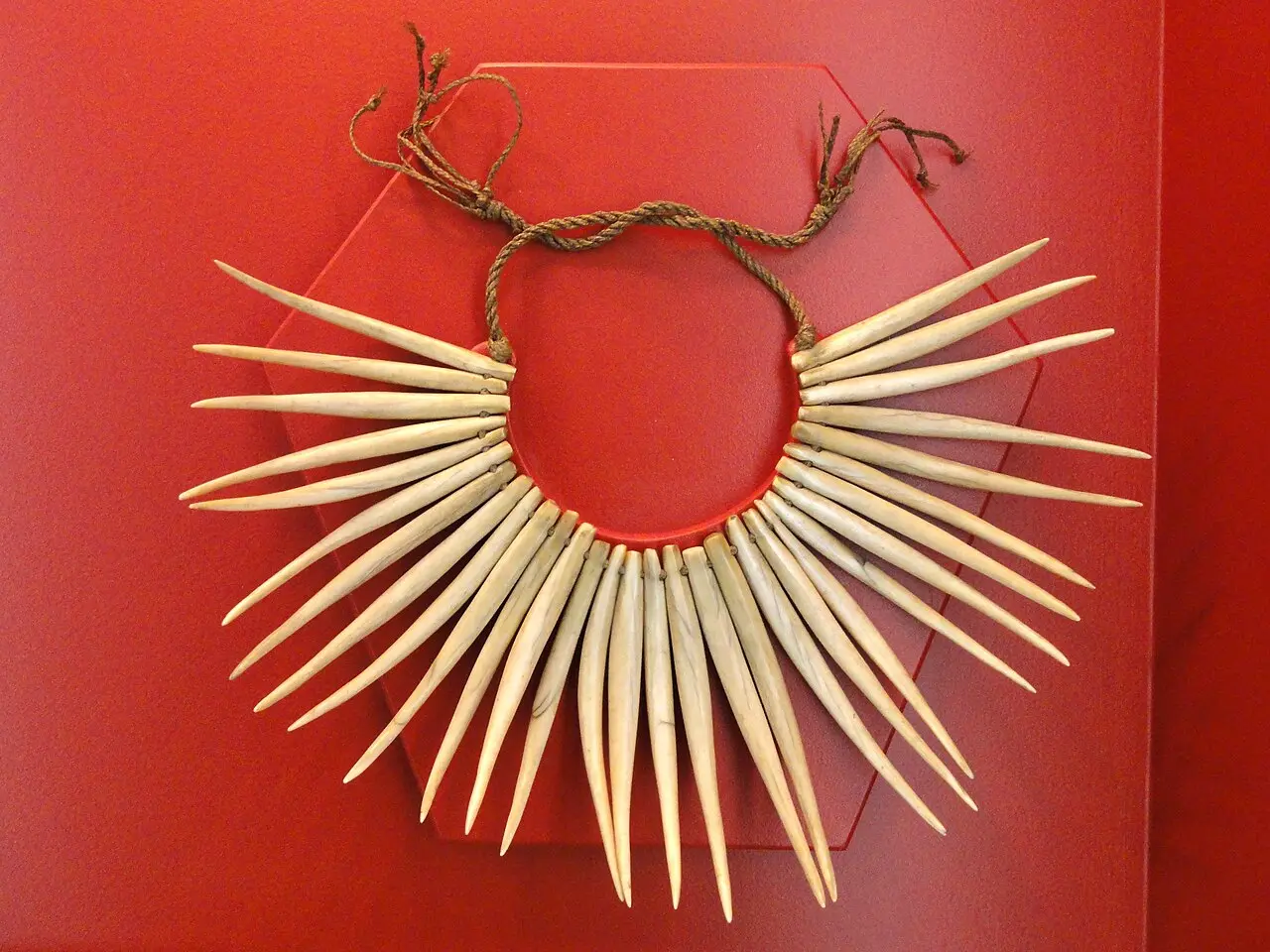
A whale’s tooth could carry an obligation far beyond its material value.
A tabua is a highly valued presentation object, associated with serious requests, reconciliation and major life events. Its meaning lies in who presents it, who receives it and what is being asked or acknowledged.
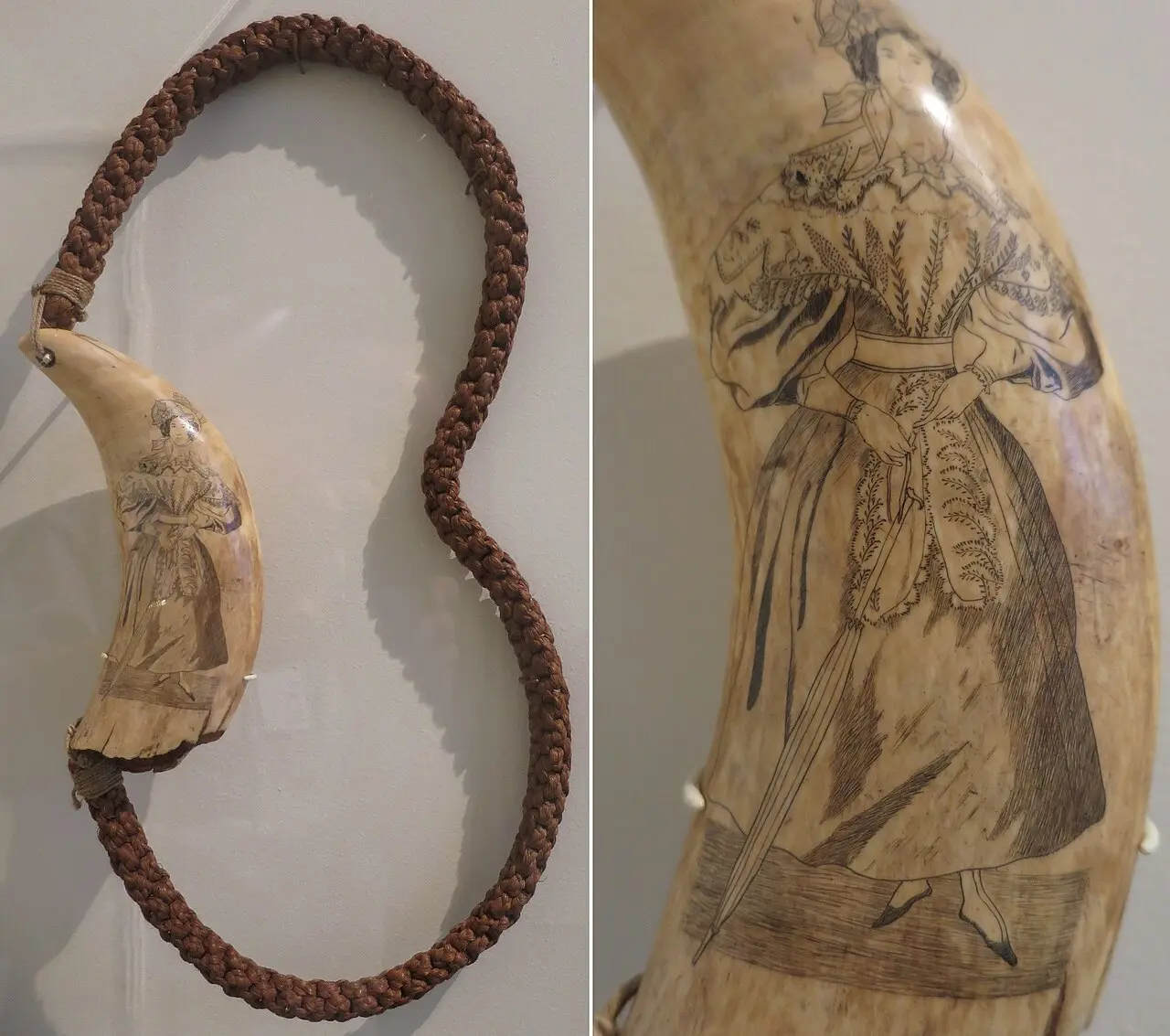
Whaling and overseas trade increased the supply of whale ivory in the nineteenth century. Fijians incorporated that material into existing relationships and ceremonies. Foreign goods did not simply replace local culture: communities gave them meaning within their own social world.
Sources
This pictureTooth of a sperm whale (2008) · Hannes Grobe /AWI · CC BY 3.0 · record ↗
Chapter text is awaiting cultural and historical review.
 Dimau Group