
Fiji History MuseumTravel to the past.
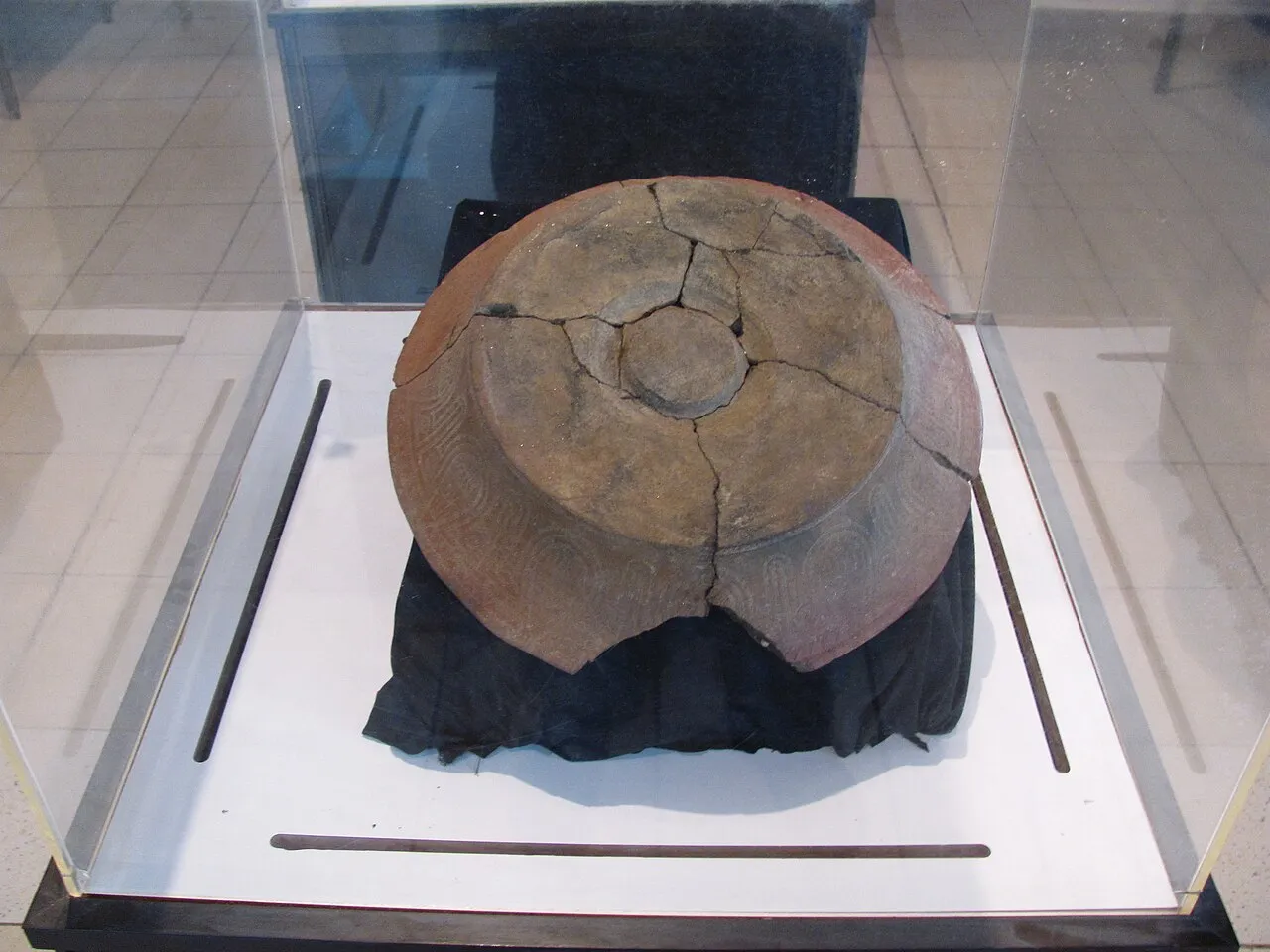
Lapita pottery, Vanuatu Cultural Centre, Port Vila, Vanuatu (2013)
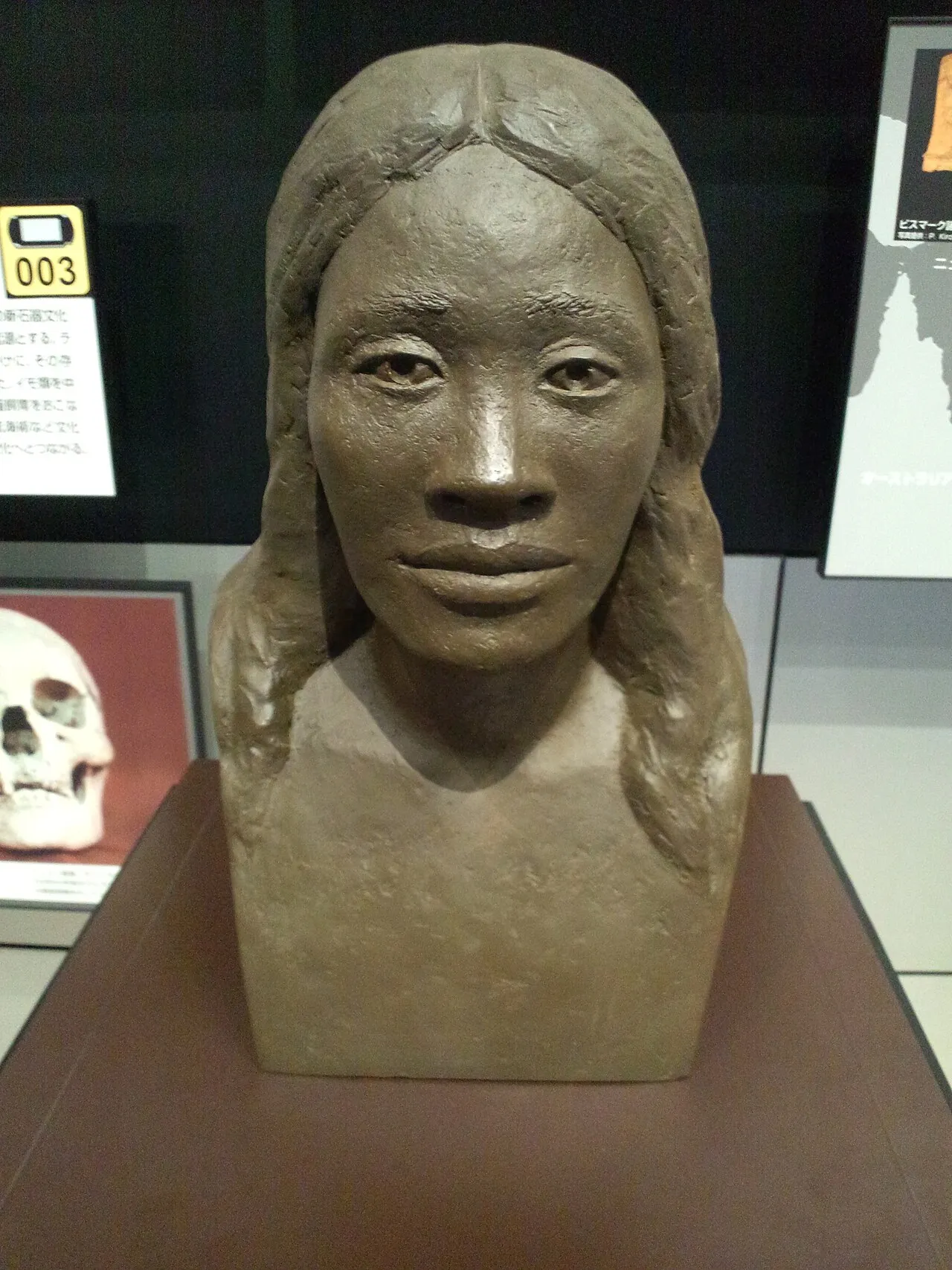
Reconstructed Lapita woman, National Museum of Ethnology, Osaka
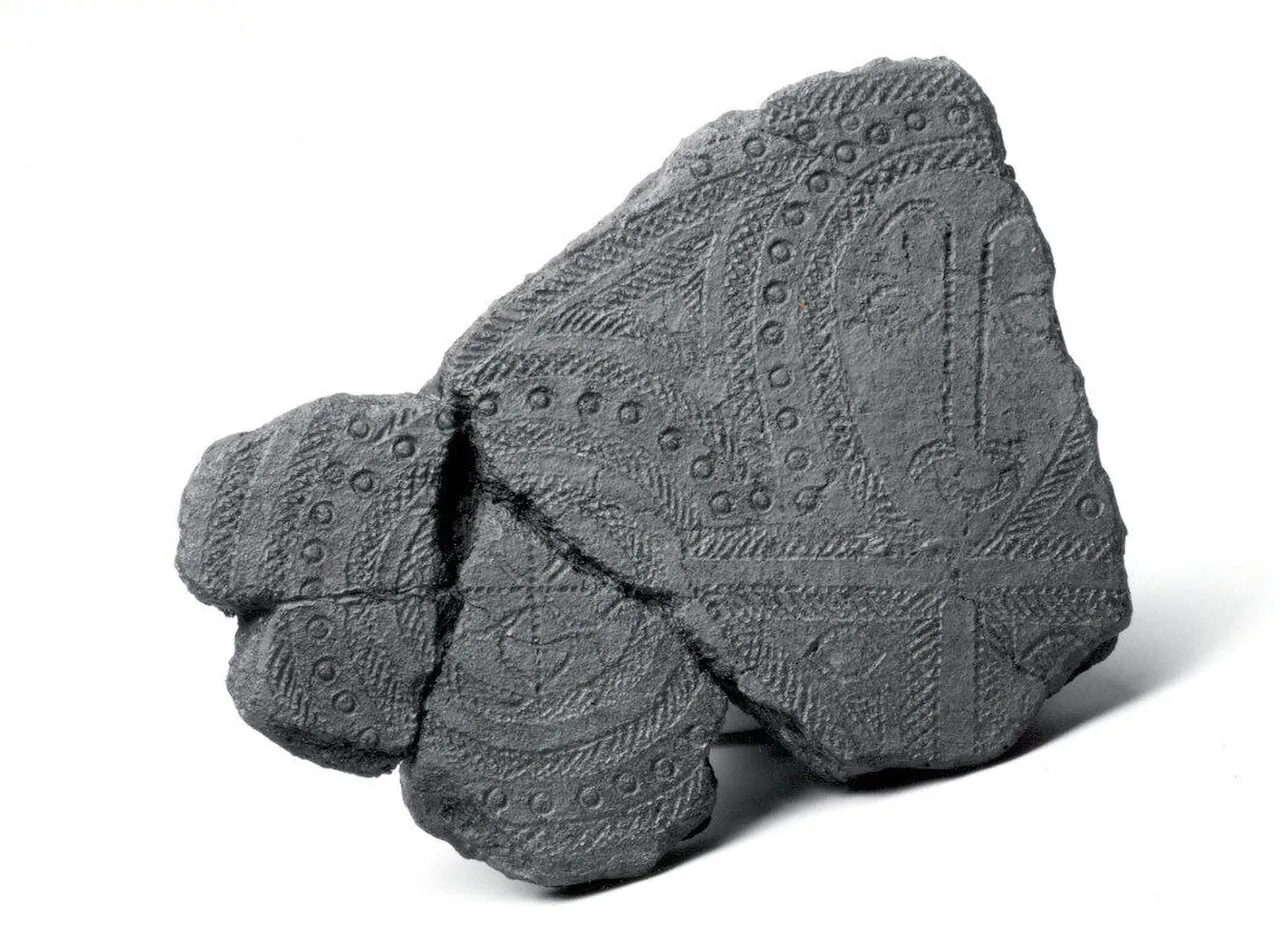
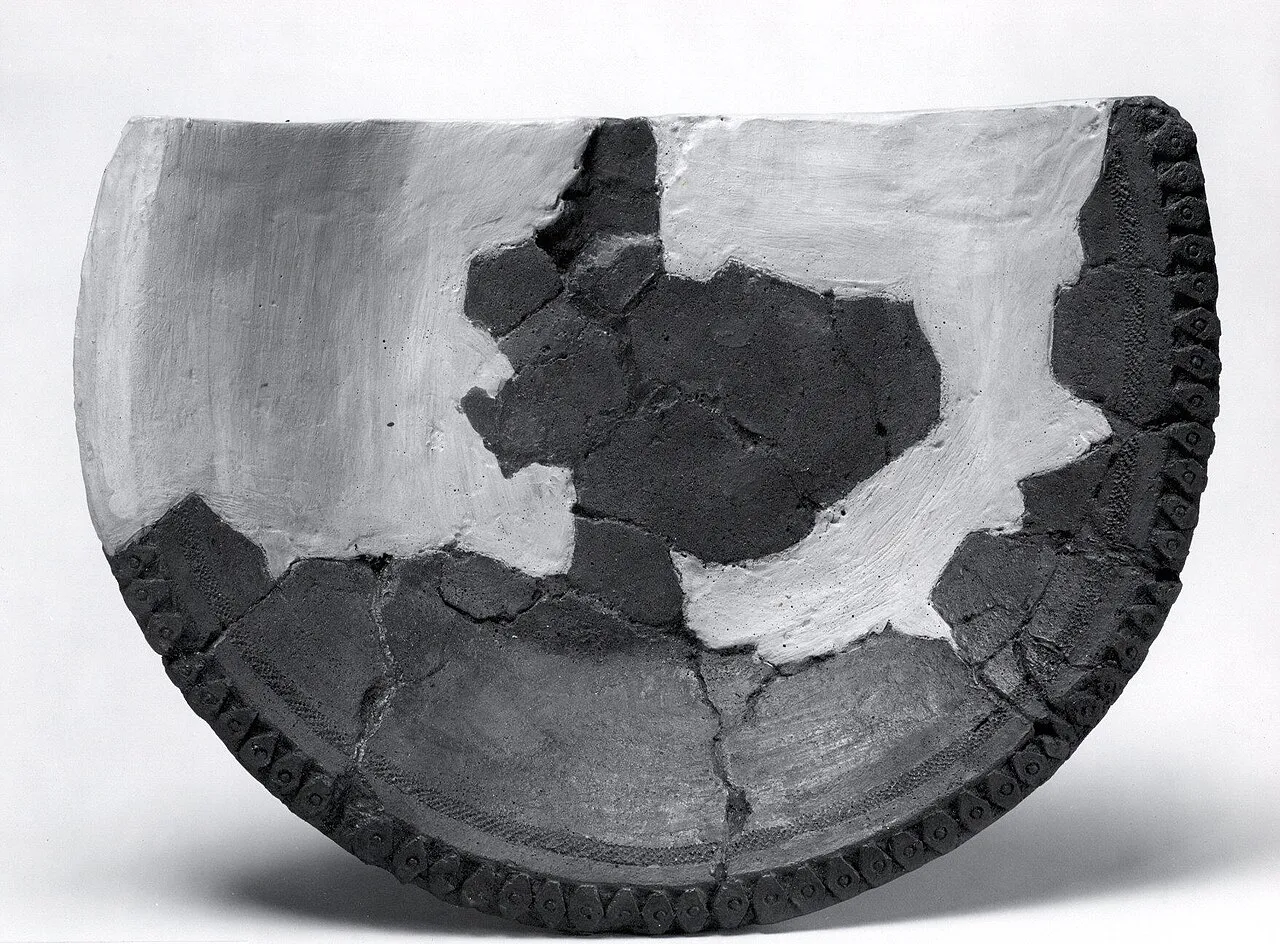
Plaster cast of a Lapita pot sherd — Metropolitan Museum of Art
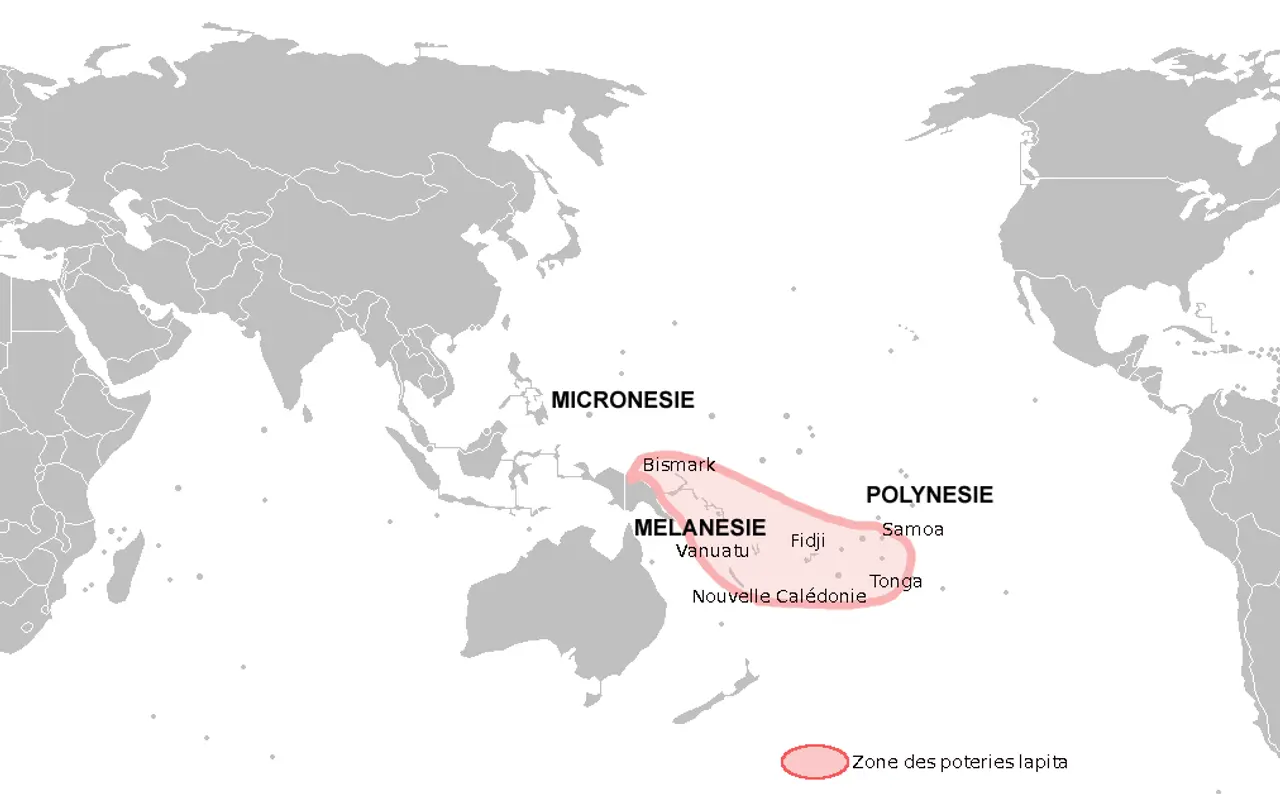
map of lapita area (2008)
Prehistoric pottery vessels, including some with Lapita designs, from the island of Taumako (1982)
Plaster cast of a Lapita dish — Metropolitan Museum of Art
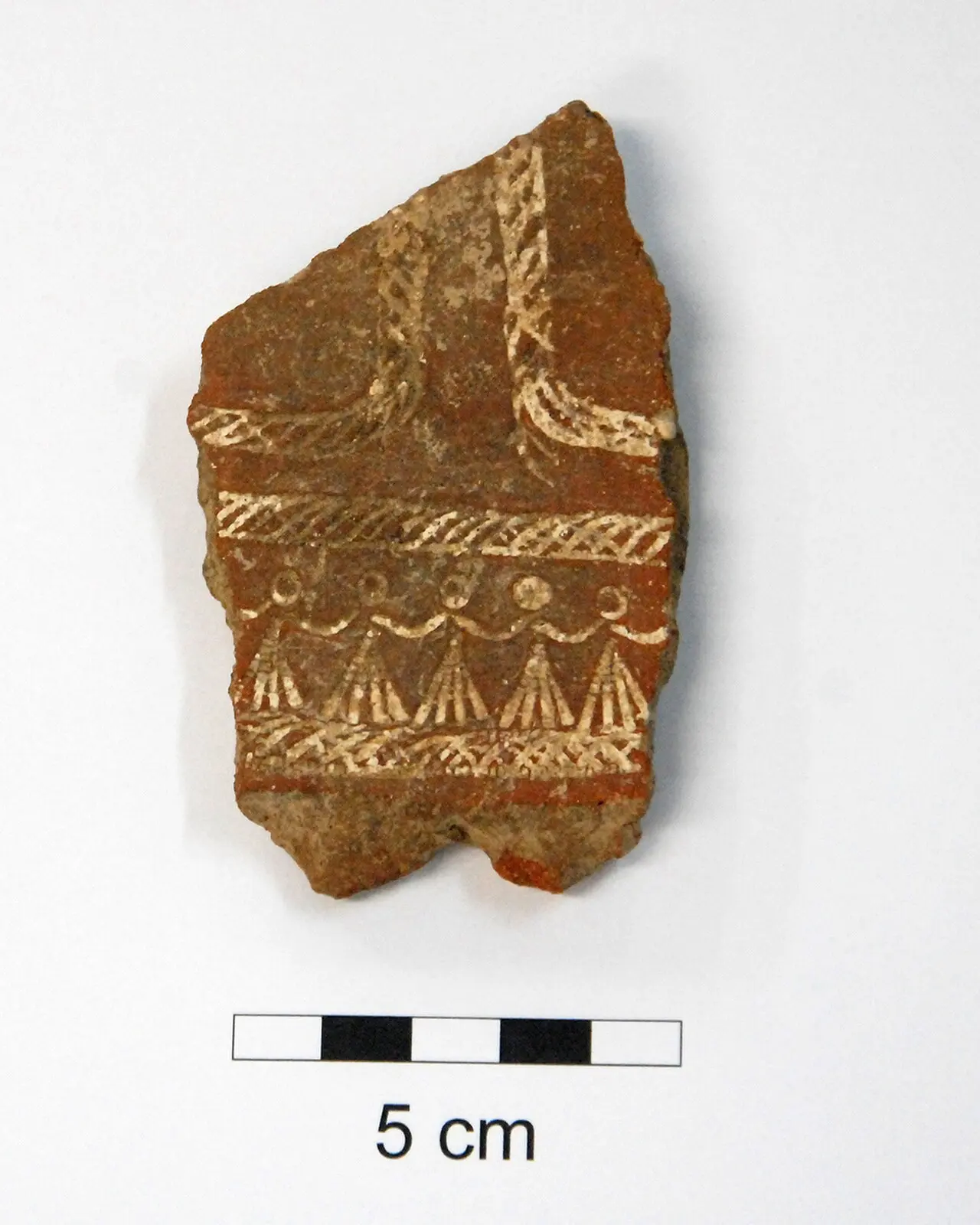
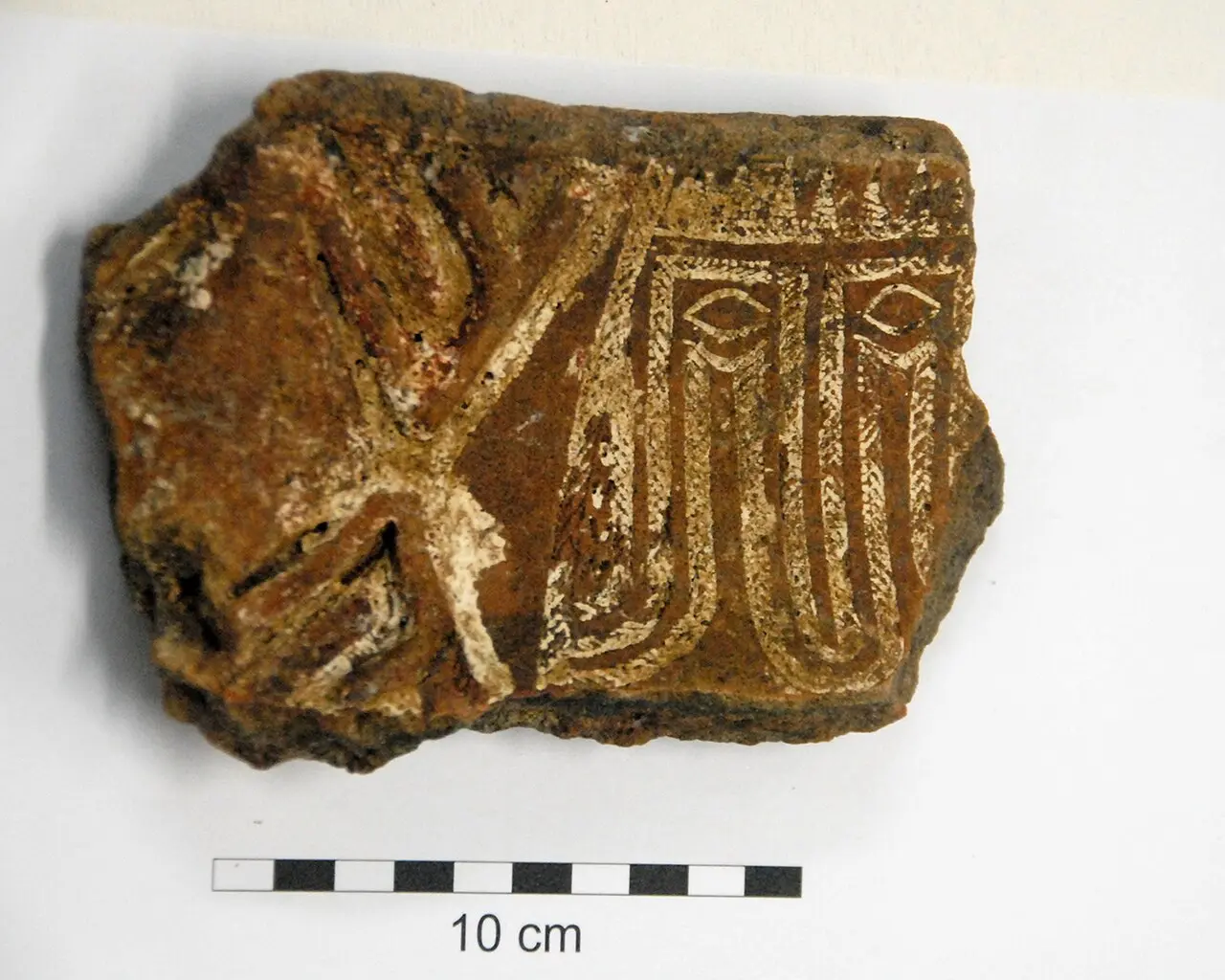
Decorated Lapita potsherd from Bourewa, Fiji (2008)
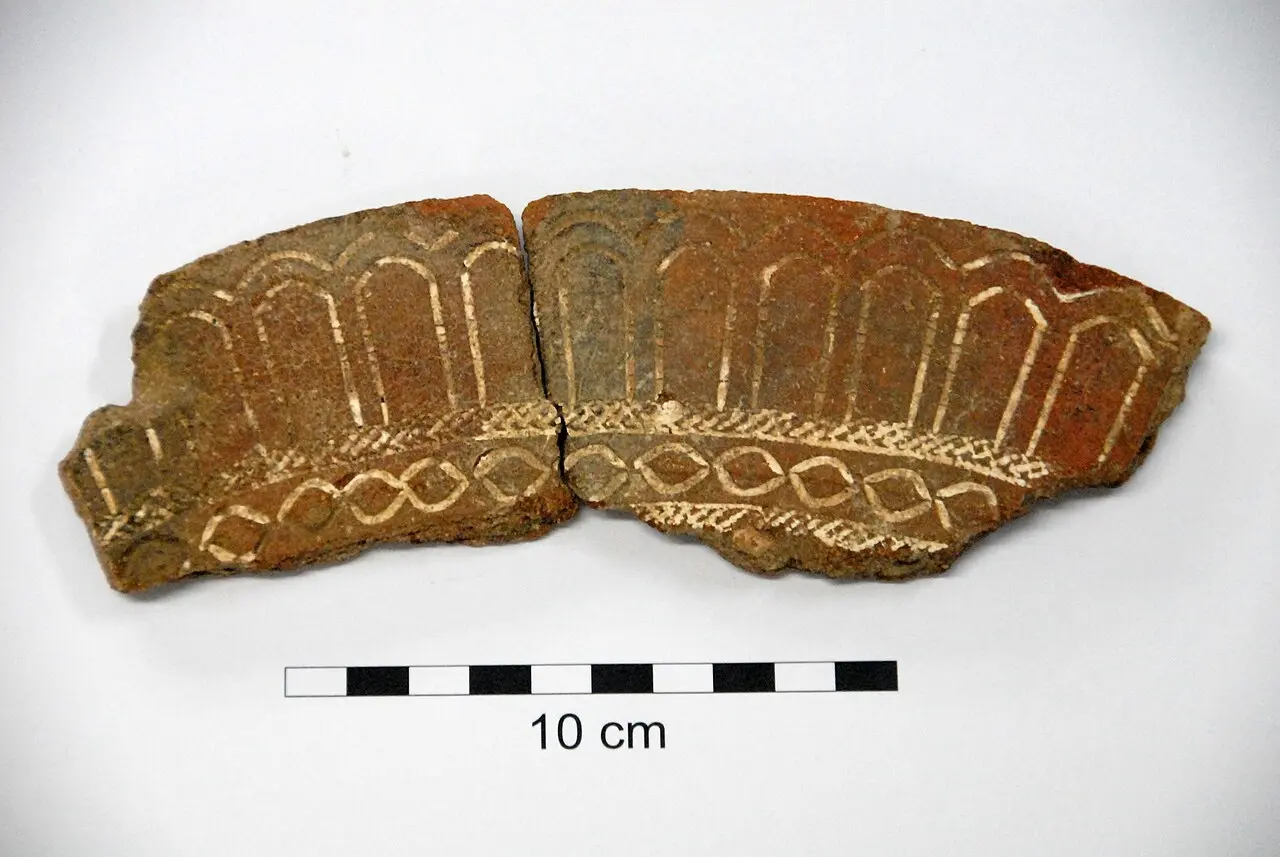
Part of a 3000-year old pot rim, dentate-stamped and lime infilled, found at the Bourewa site, probably Fiji's earliest (2008)
Lapita potsherd from Fiji with a face design (2008)
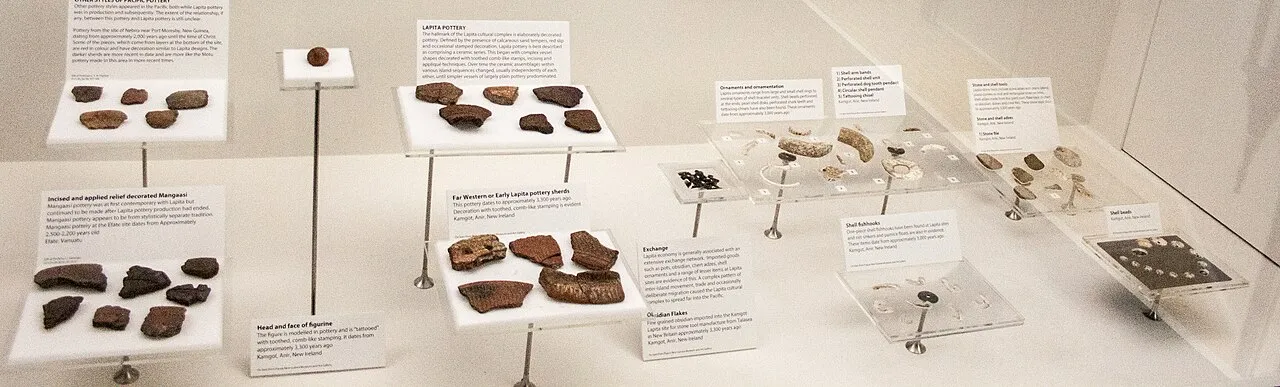
Display of objects of the Lapita culture, Otago Museum, 2016-01-29
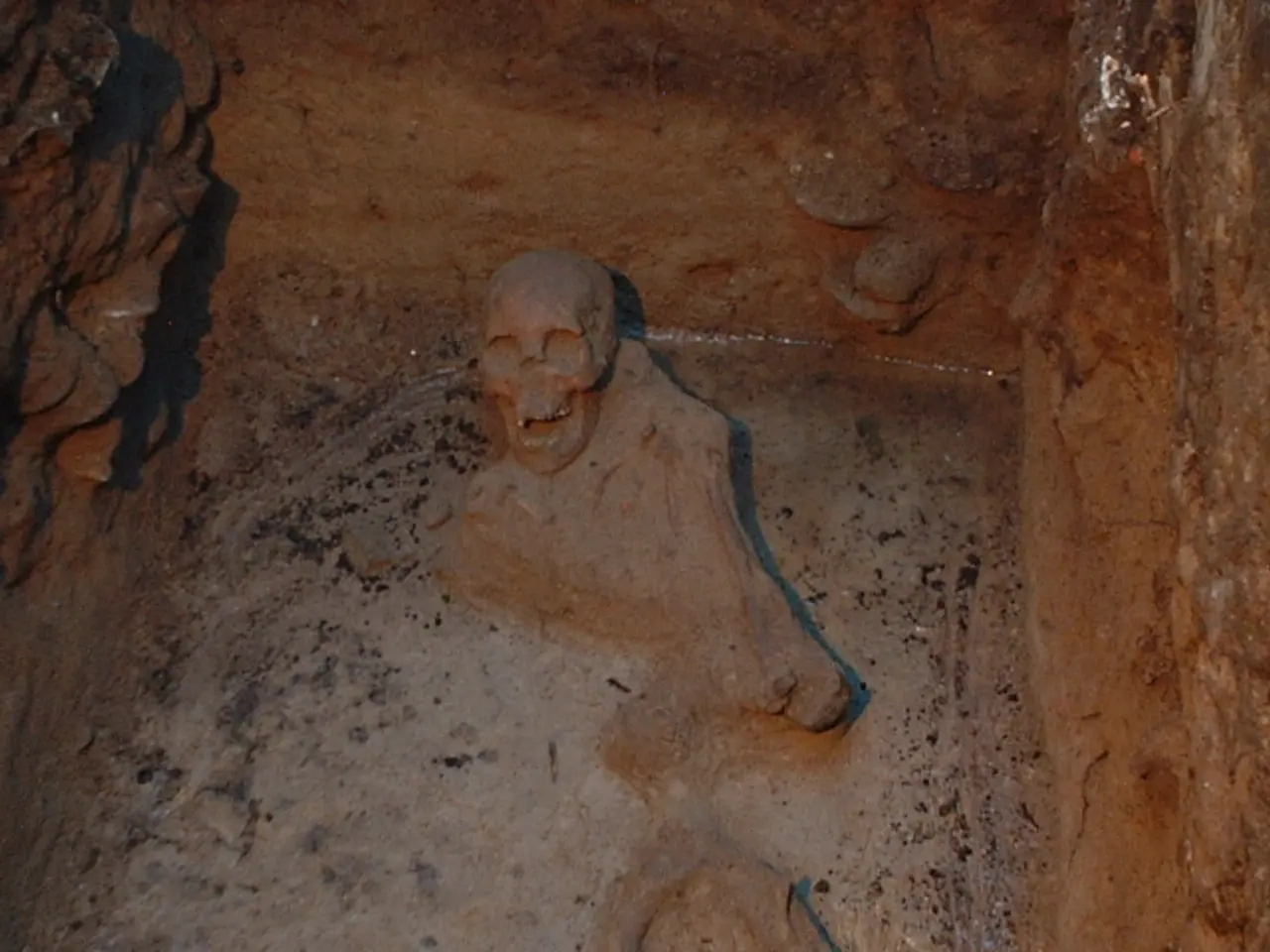
The Mana burial at Naitabale, Moturiki — one of the few Lapita-age skeletons ever found
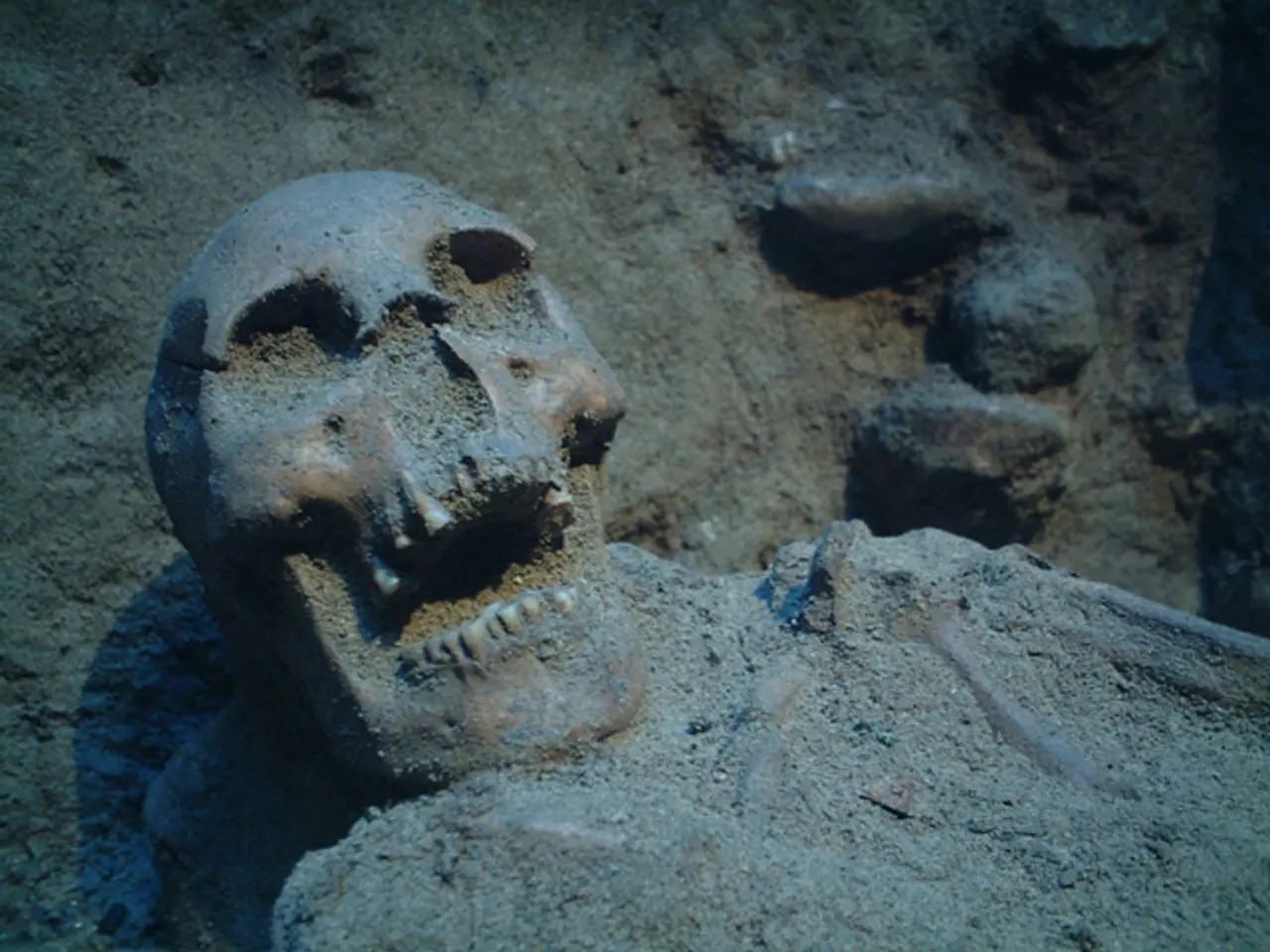
Close-up of the skull of Mana, the Lapita lady found on Moturiki Island, Fiji, and dated to 800 BC (2004)
About 3,000 years ago
c. 1000 BCE164317741804Early 1800s12 October 1835185330 April 18541855187110 October 1874By 187514 May 18791916192010 October 1970
First settlement · 4 of 45Swipe up

The Lapita people

About 3,000 years ago

Small traces open a window onto early settlement.

Around three thousand years ago, voyagers associated with the Lapita tradition established communities in Fiji. They crossed the ocean and made homes on the islands. Their pottery survives in fragments beneath later layers of settlement. Over the centuries, communities grew and changed, with different histories unfolding across the archipelago. These early settlements began a human story that continues today.

Sources

This pictureLapita pottery, Vanuatu Cultural Centre, Port Vila, Vanuatu (2013) · Torbenbrinker · CC BY-SA 3.0 · record ↗

Chapter text is awaiting cultural and historical review.

Dimau Group