
Fiji History MuseumTravel to the past.
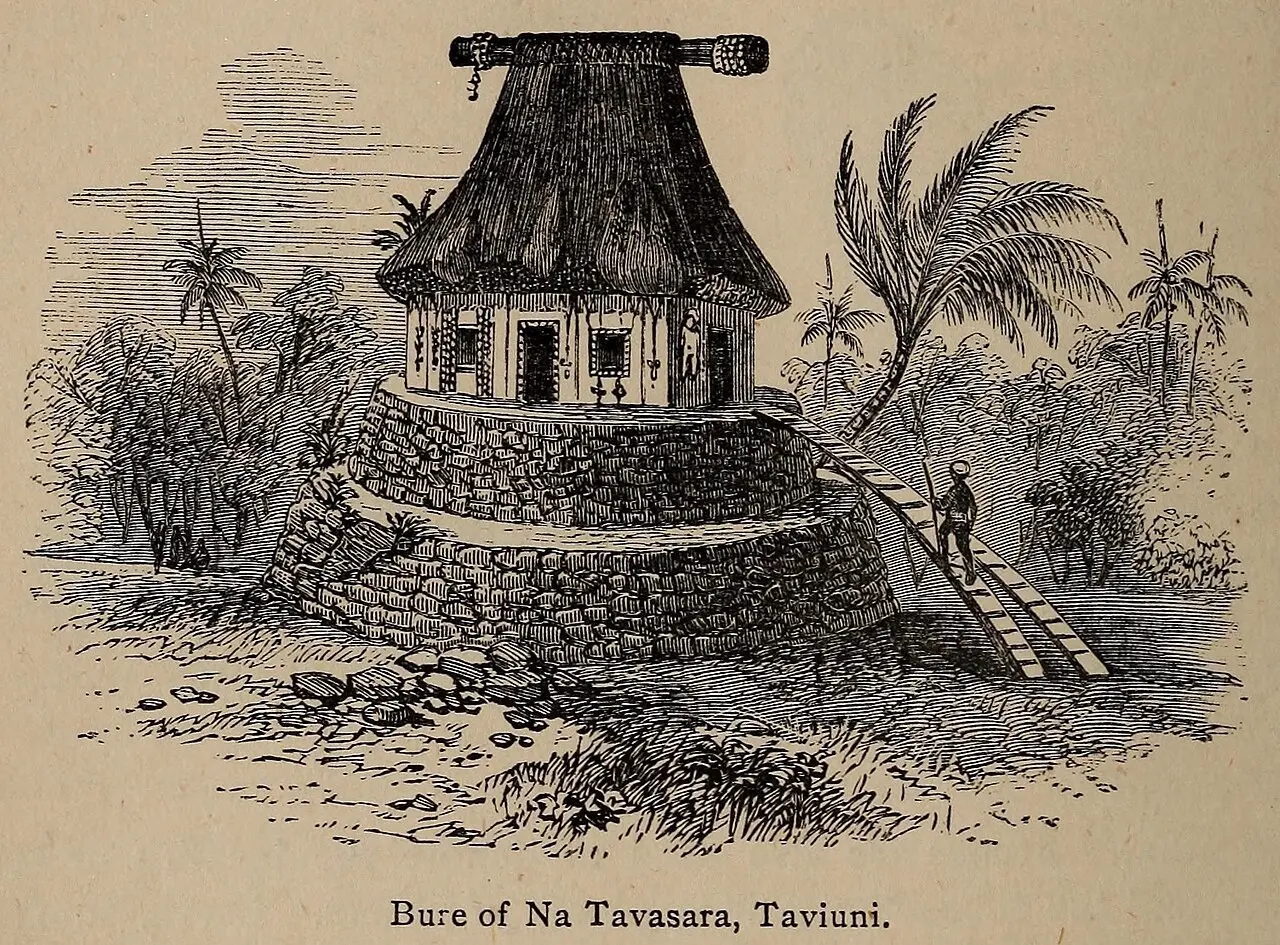
Bure of Na Tavasara, Taveuni (Boston. Congregational Publishing Society, 1871)
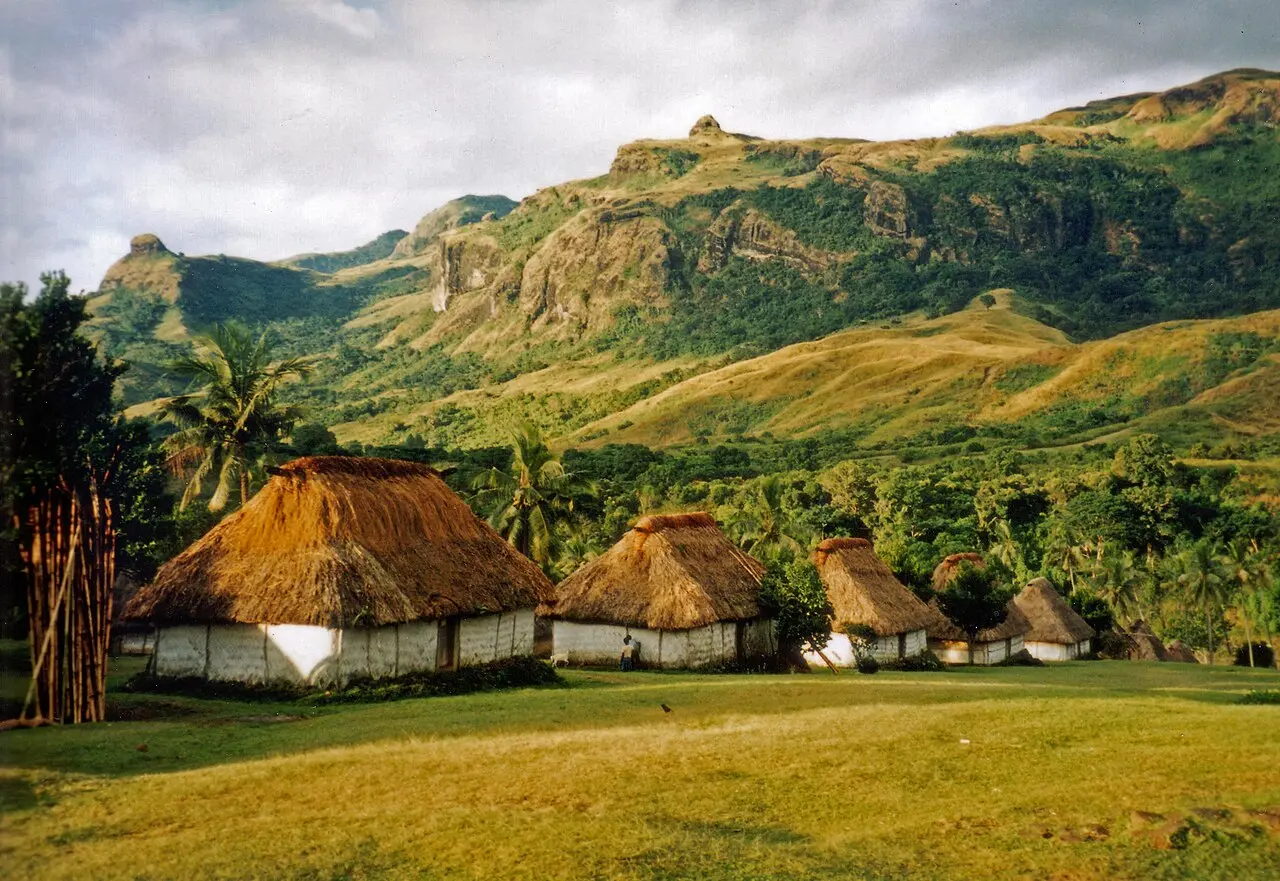
A bure in Navala village (2007)
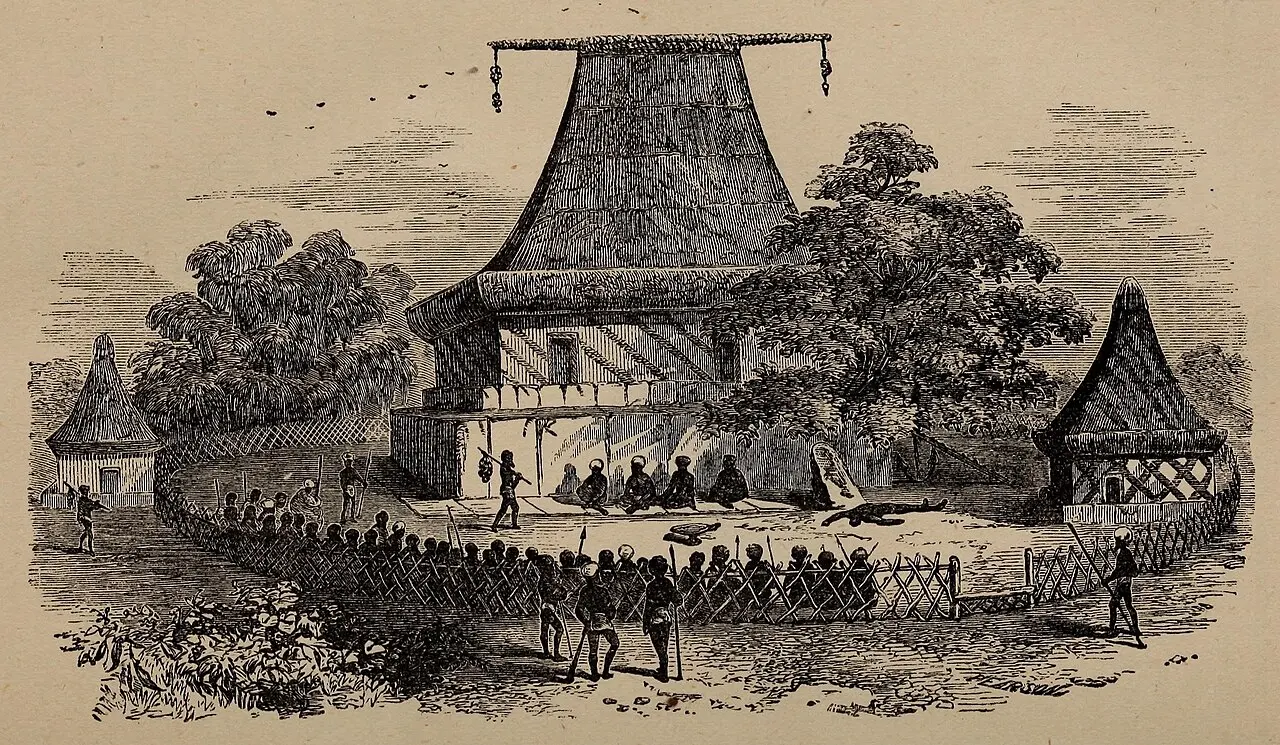
Bure of Na Vata-ni-Tawake, Mbau (Boston. Congregational Publishing Society, 1871)
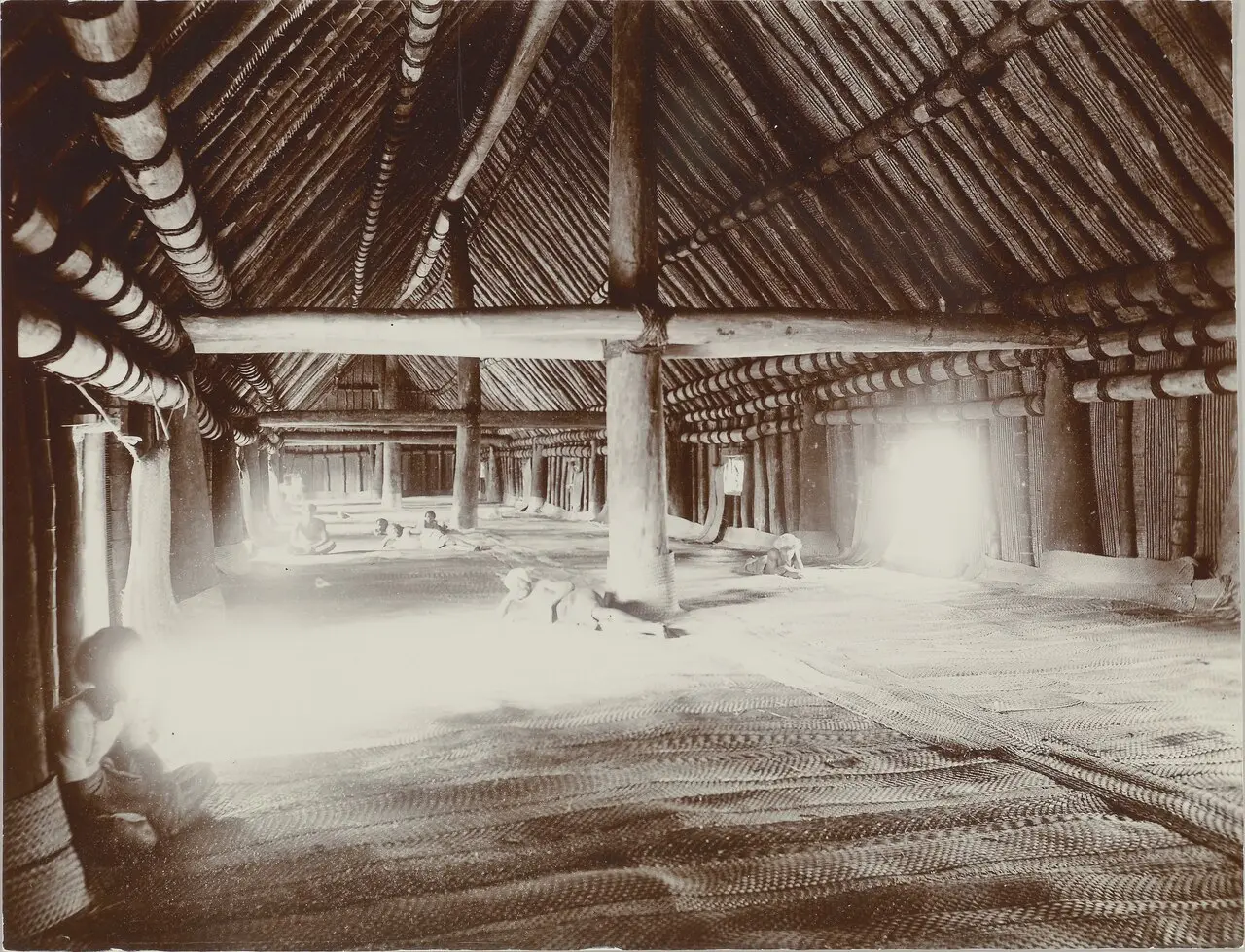
A bure on Viti Levu, photographed in 1907 (ETH Library Zurich)
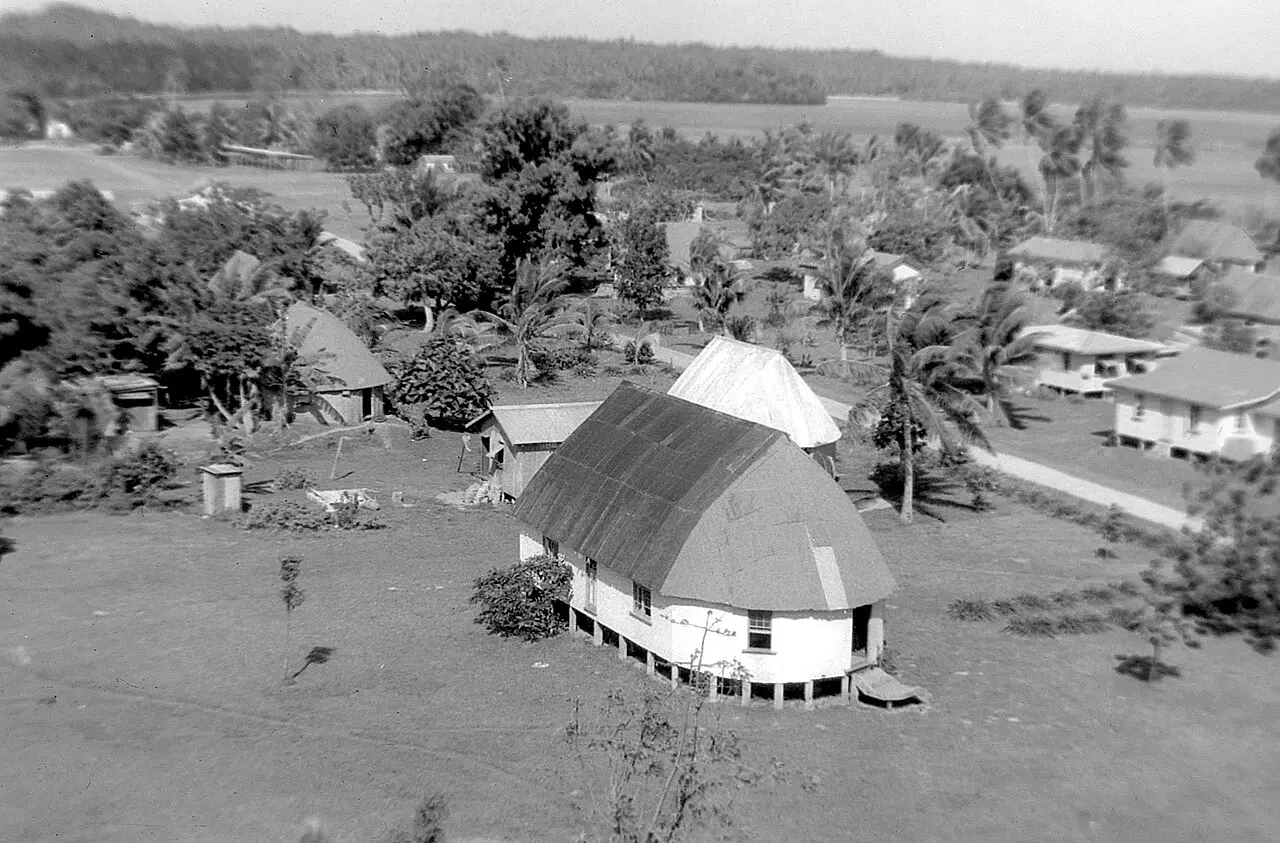
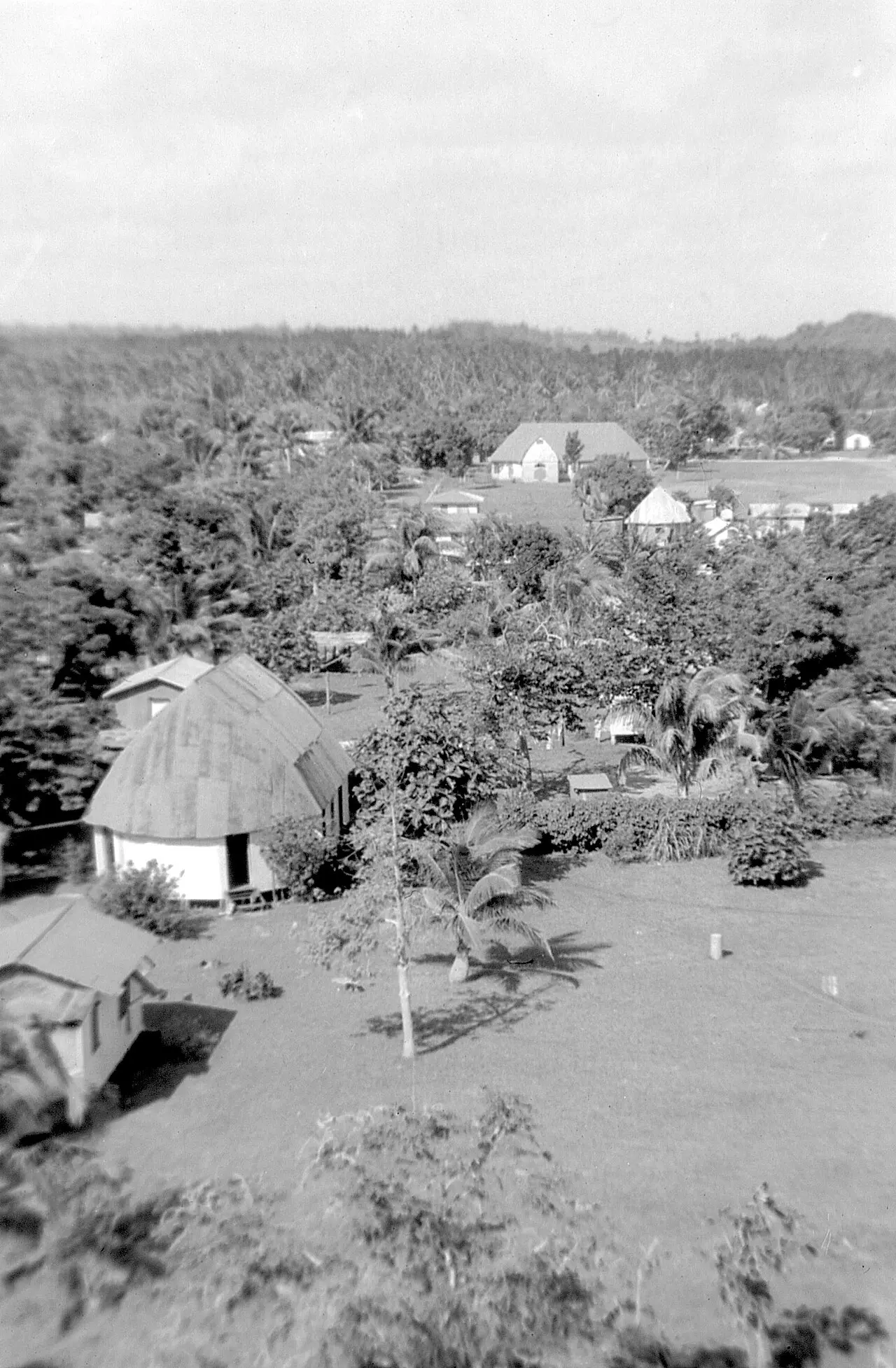
Traditional Fijian house and open space in Tubou Village, Lakeba. (1977)
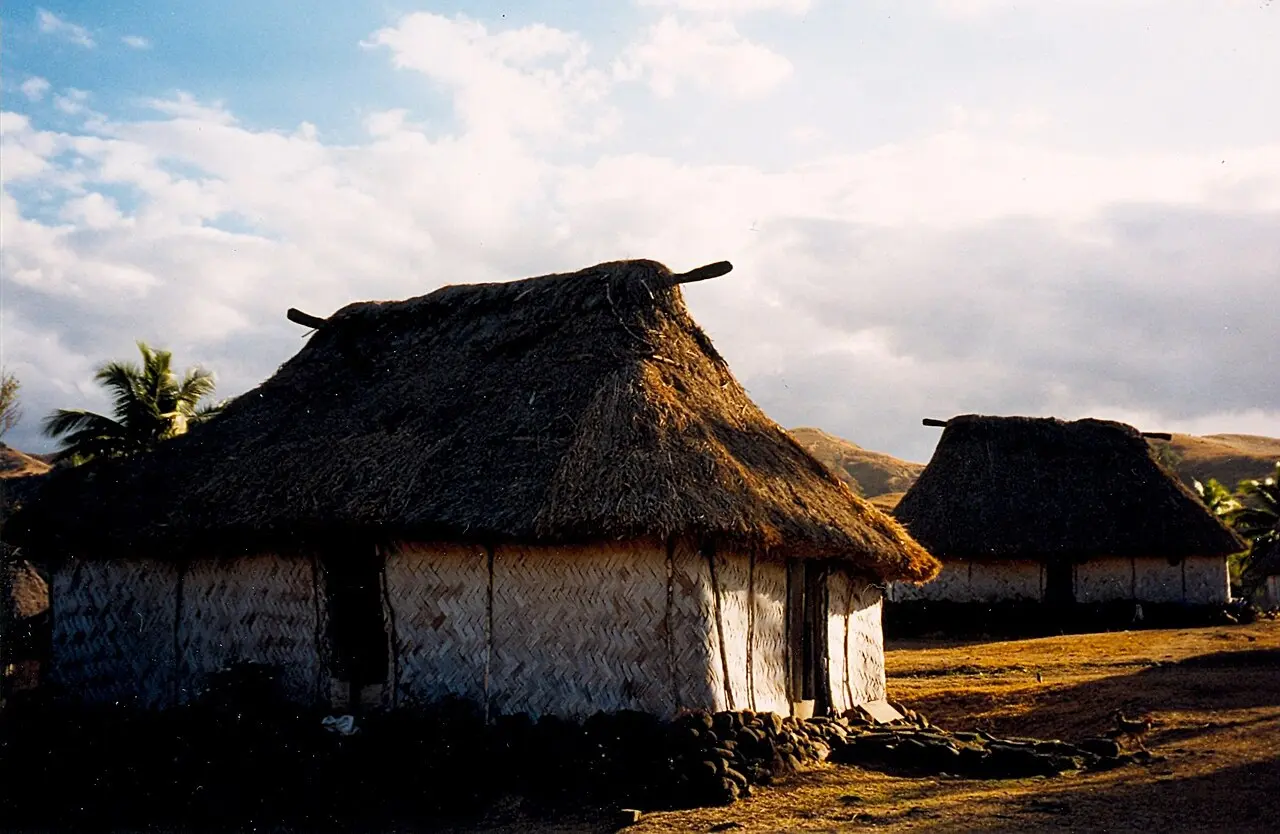
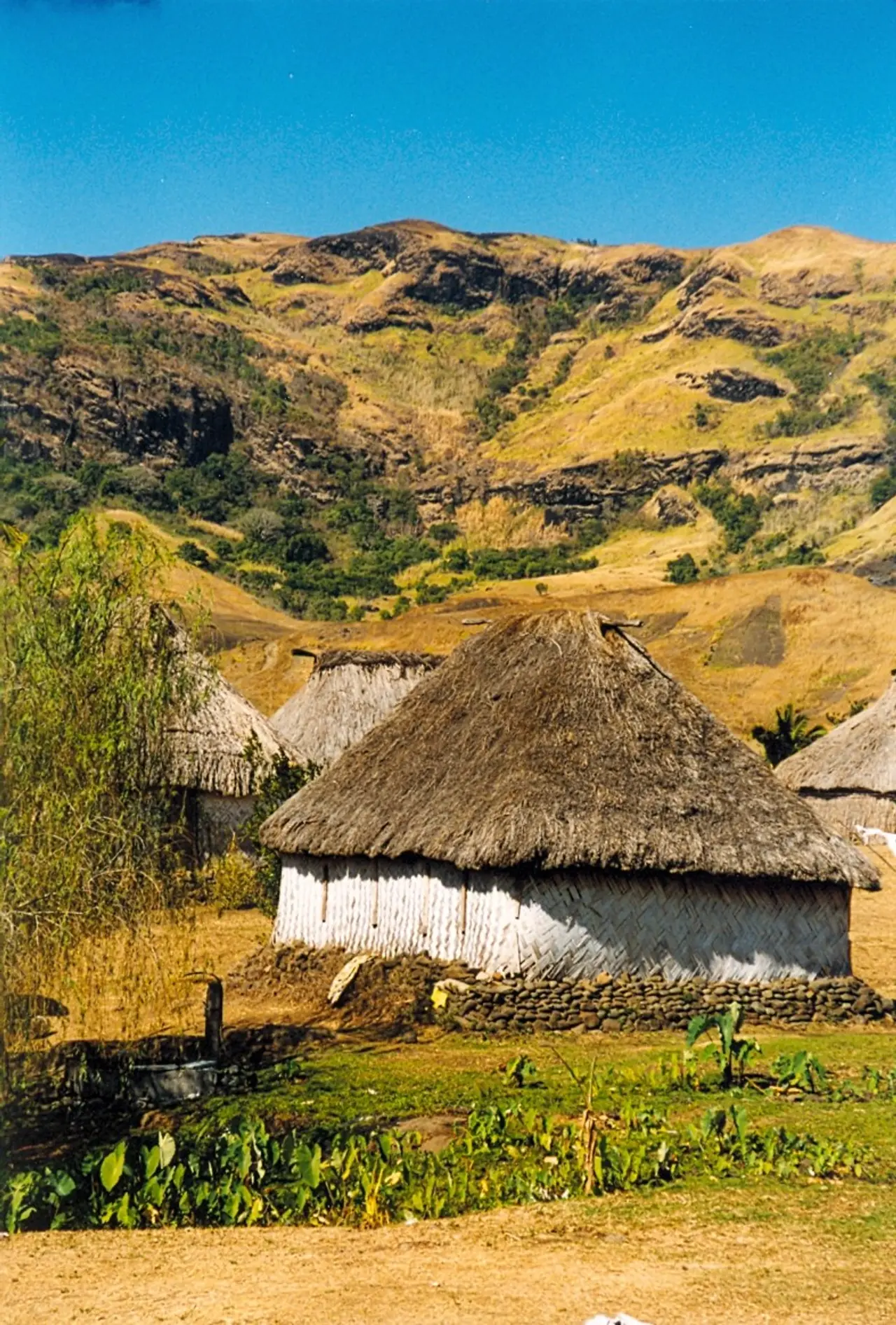
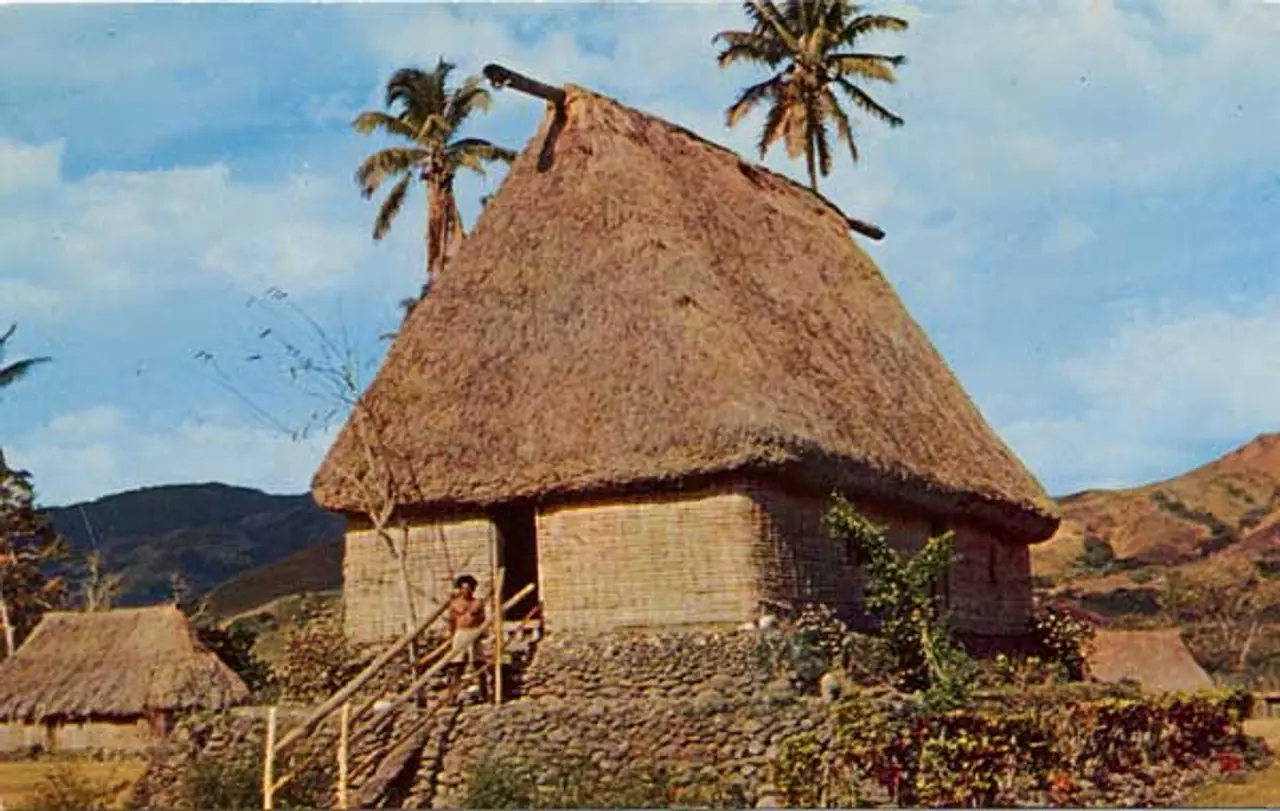
A bure (hut) in the village of Navala, Viti Levu, Fiji. (1998)
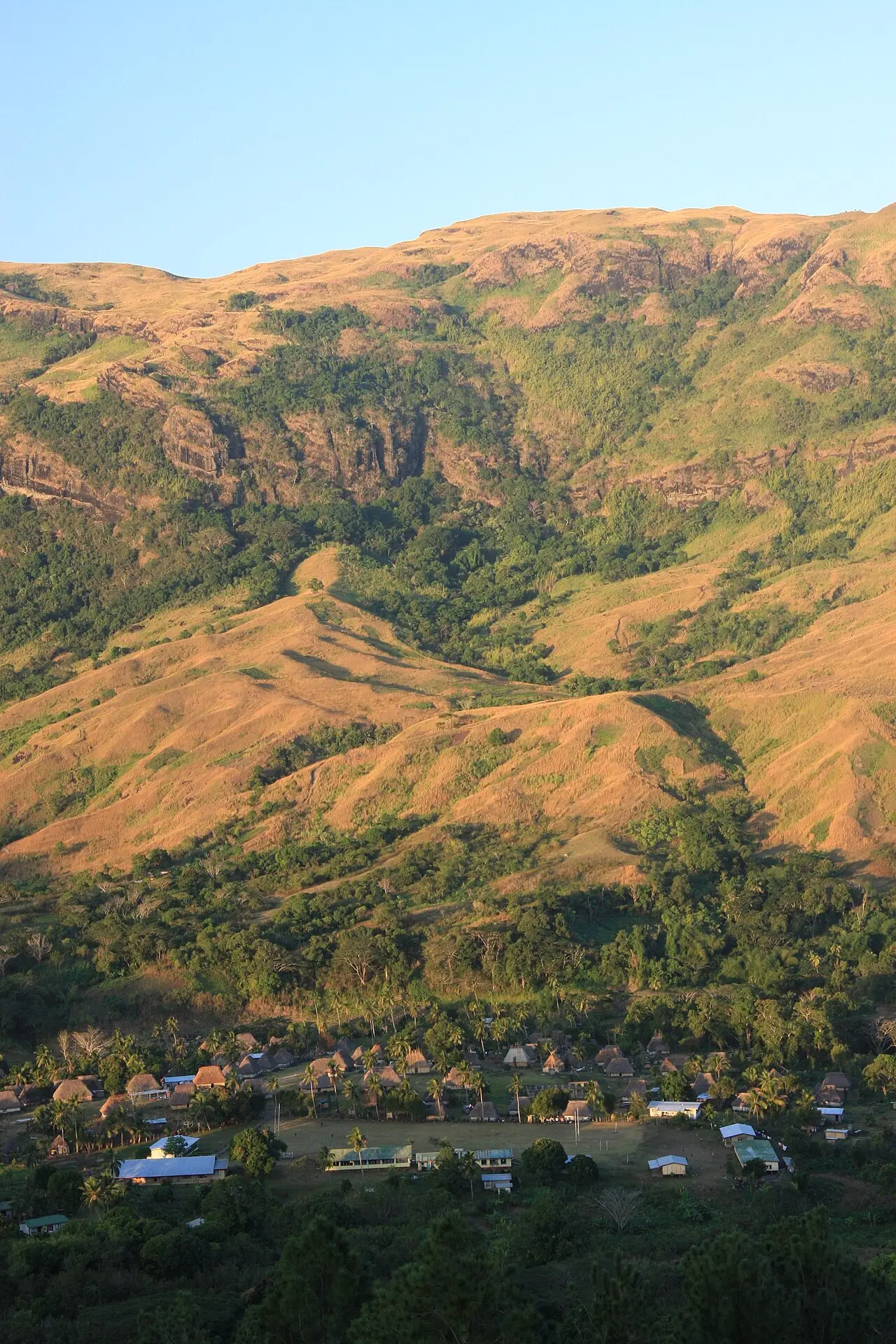
Navala village, Viti Levu, Fiji. (1998)
Fijian chief's house on a double-stepped housemound, probably in the village of Navala, in the Vitilevu Highlands, Fiji
Navala Village - Nausori Highlands - Fiji (2010)
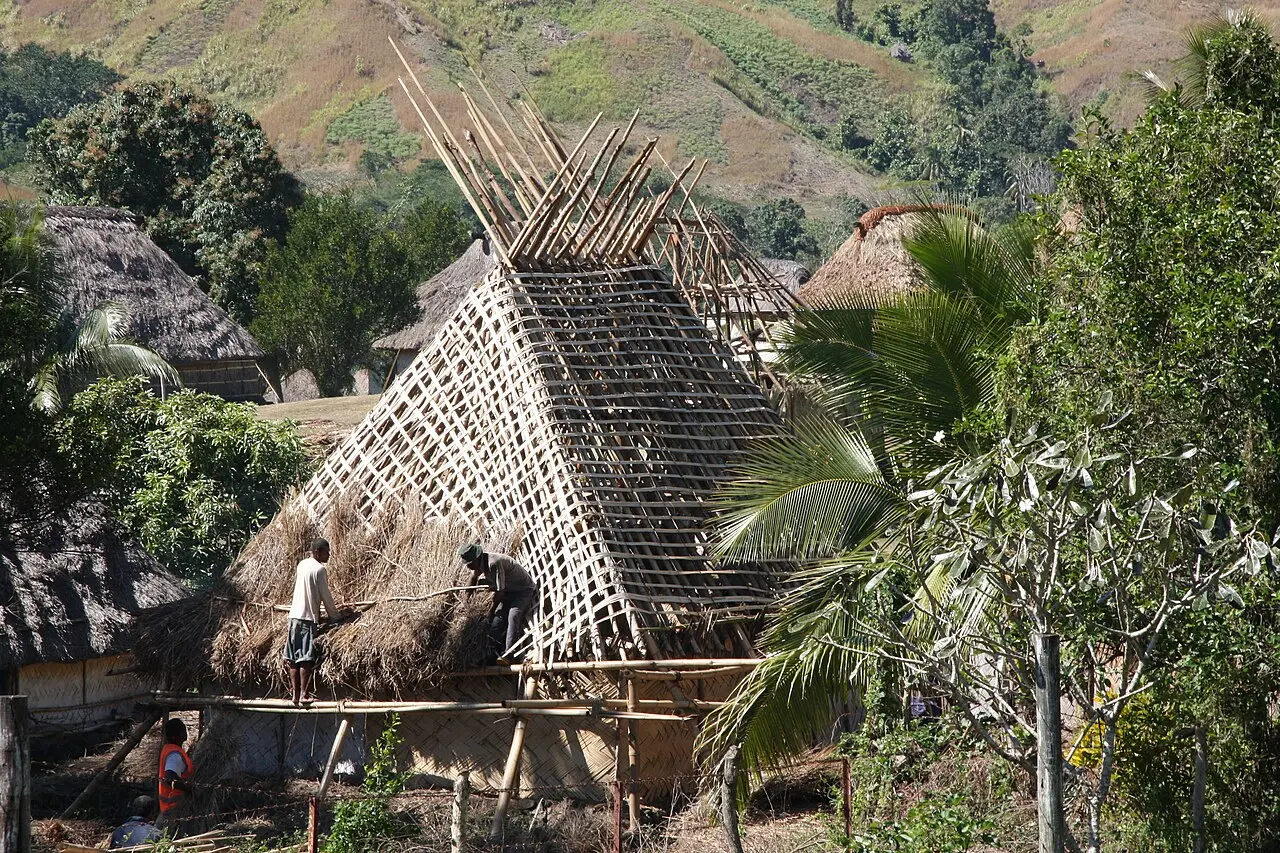
Thatching a Roof - Navala Village - Fiji (2010)
Village life
c. 1000 BCE164317741804Early 1800s12 October 1835185330 April 18541855187110 October 1874By 187514 May 18791916192010 October 1970
Land and kinship · 6 of 45Swipe up

The village and the bure

Village life

Begin with a community, its land and the work of everyday life.

Long before British rule, people made their lives within networks of kinship, land and sea. The idea of vanua connects place with the people, obligations and histories that give it meaning. Farming, fishing, building and making sustained these communities.

A village was also a place of welcome, ceremony and negotiation. Houses and meeting places varied across Fiji; the architecture of one surviving village cannot stand for every island or every century. To understand the conflicts ahead, first remember the households and relationships that people sought to protect.

Sources

This pictureBure of Na Tavasara, Taveuni (Boston. Congregational Publishing Society, 1871) · Thomas Williams (possibly) [1] · Public domain · record ↗

Chapter text is awaiting cultural and historical review.

Dimau Group