 Confederacies at war
War and warriors
Confederacies at war
Conflict was part of political life, alongside negotiation and exchange.
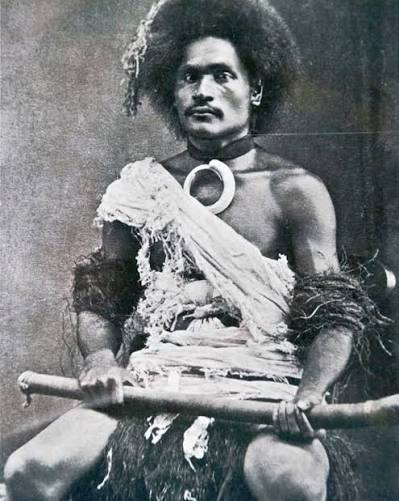
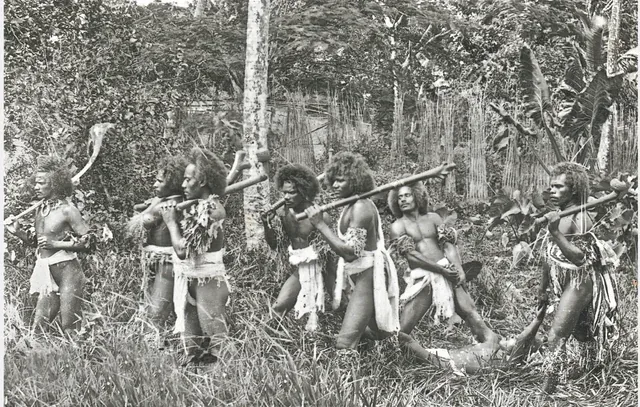
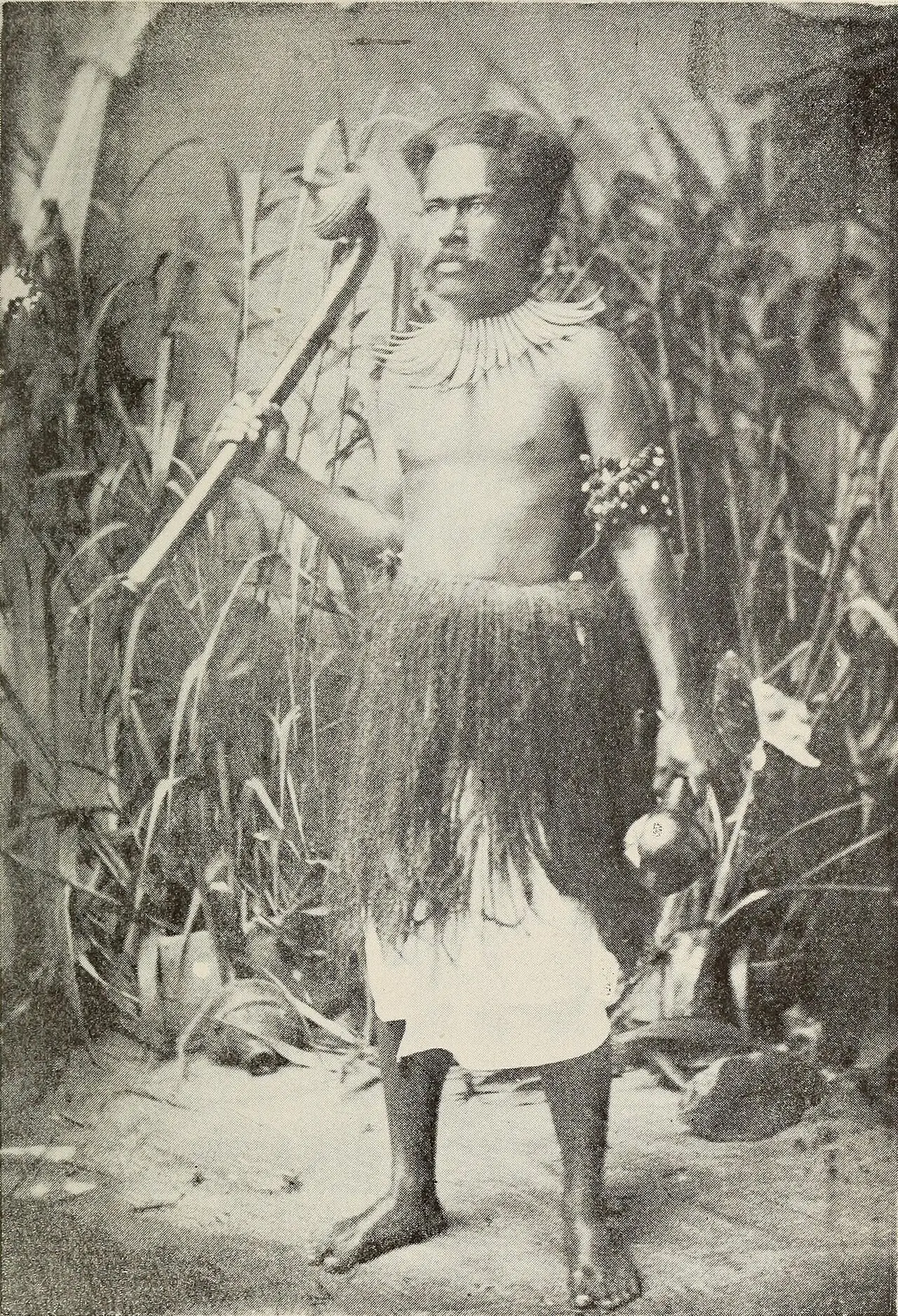
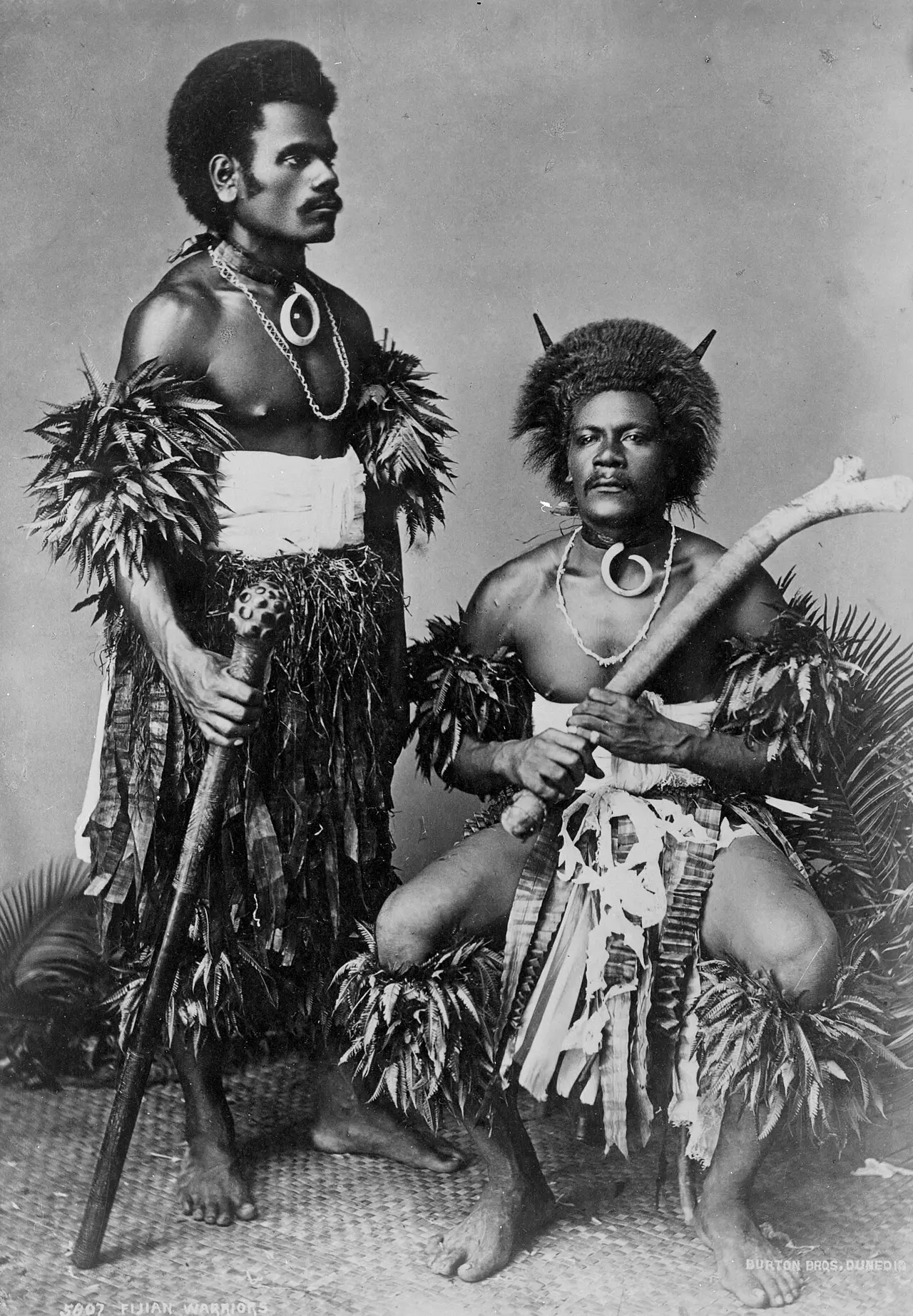
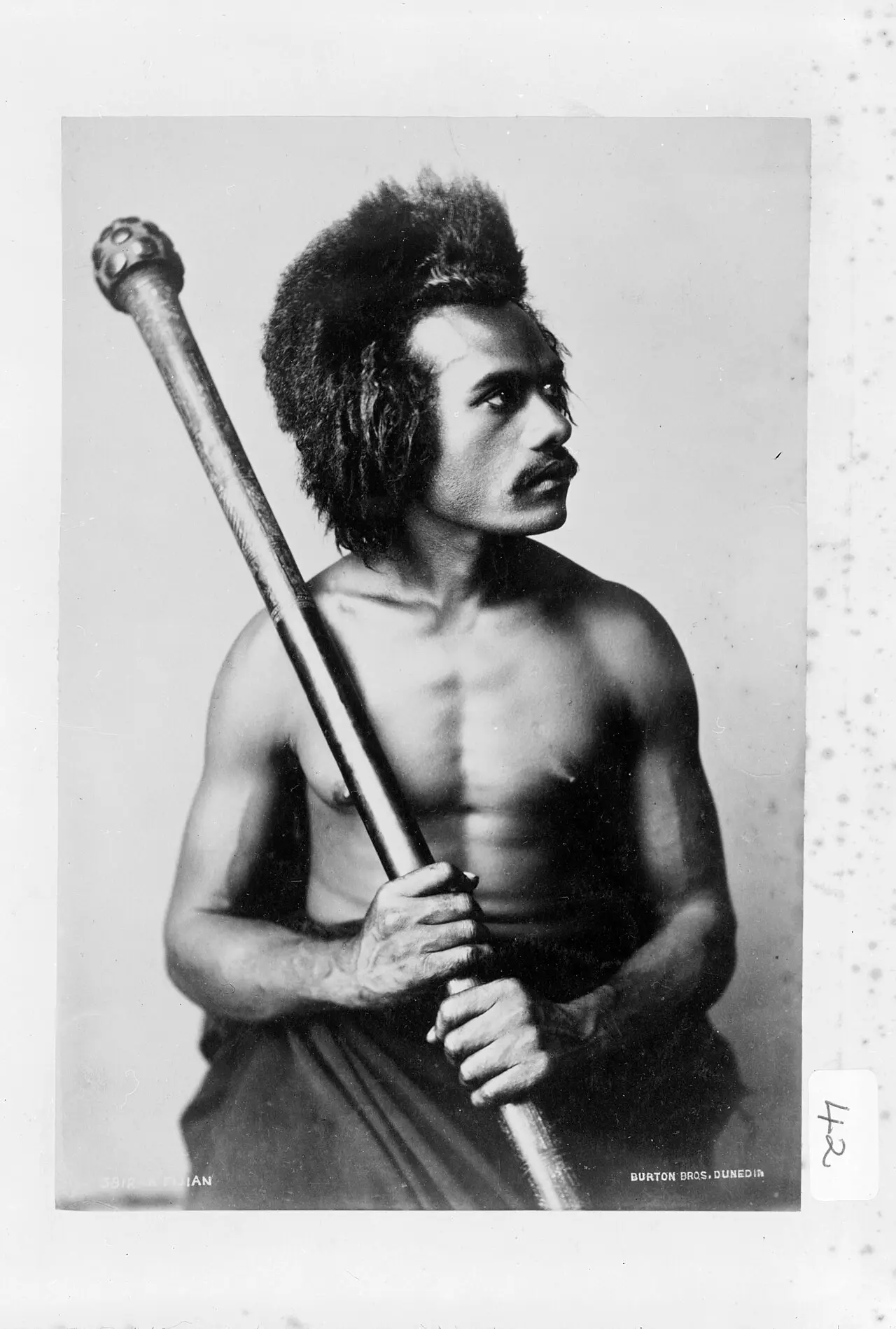
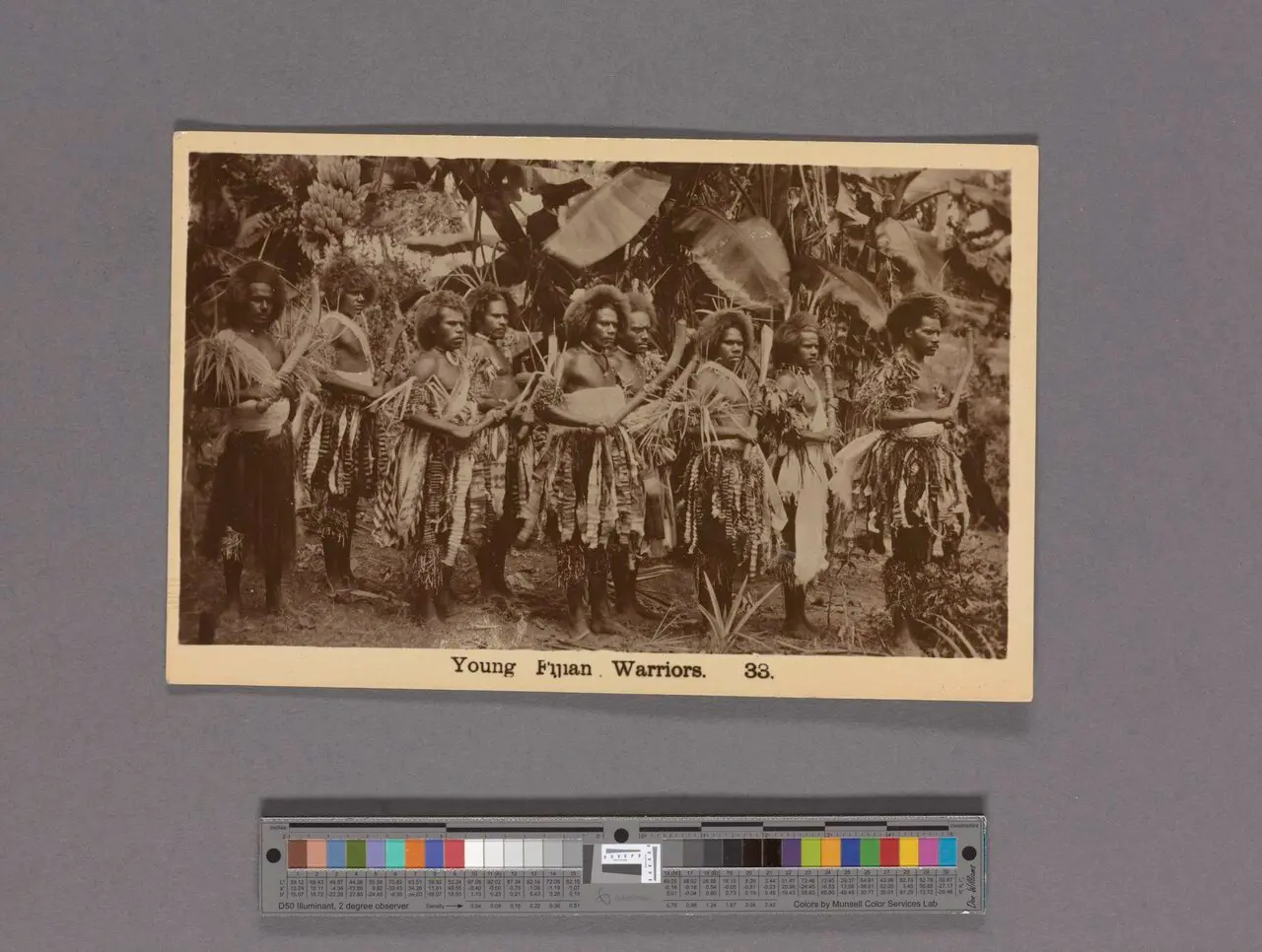
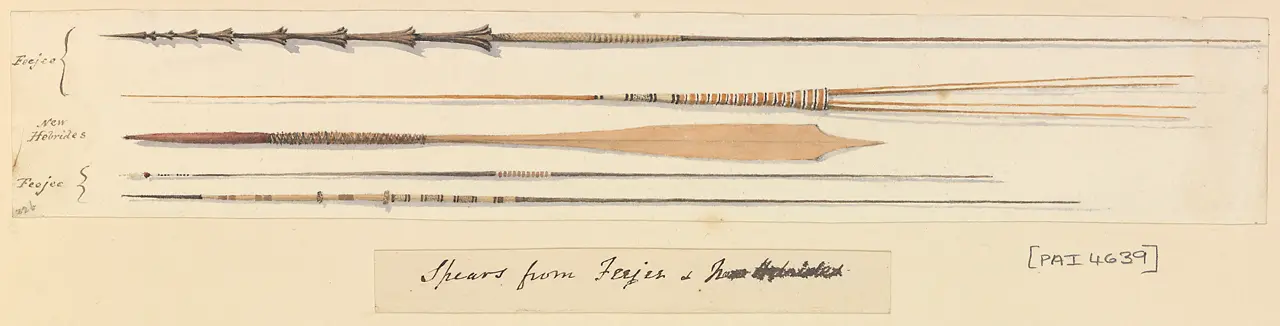
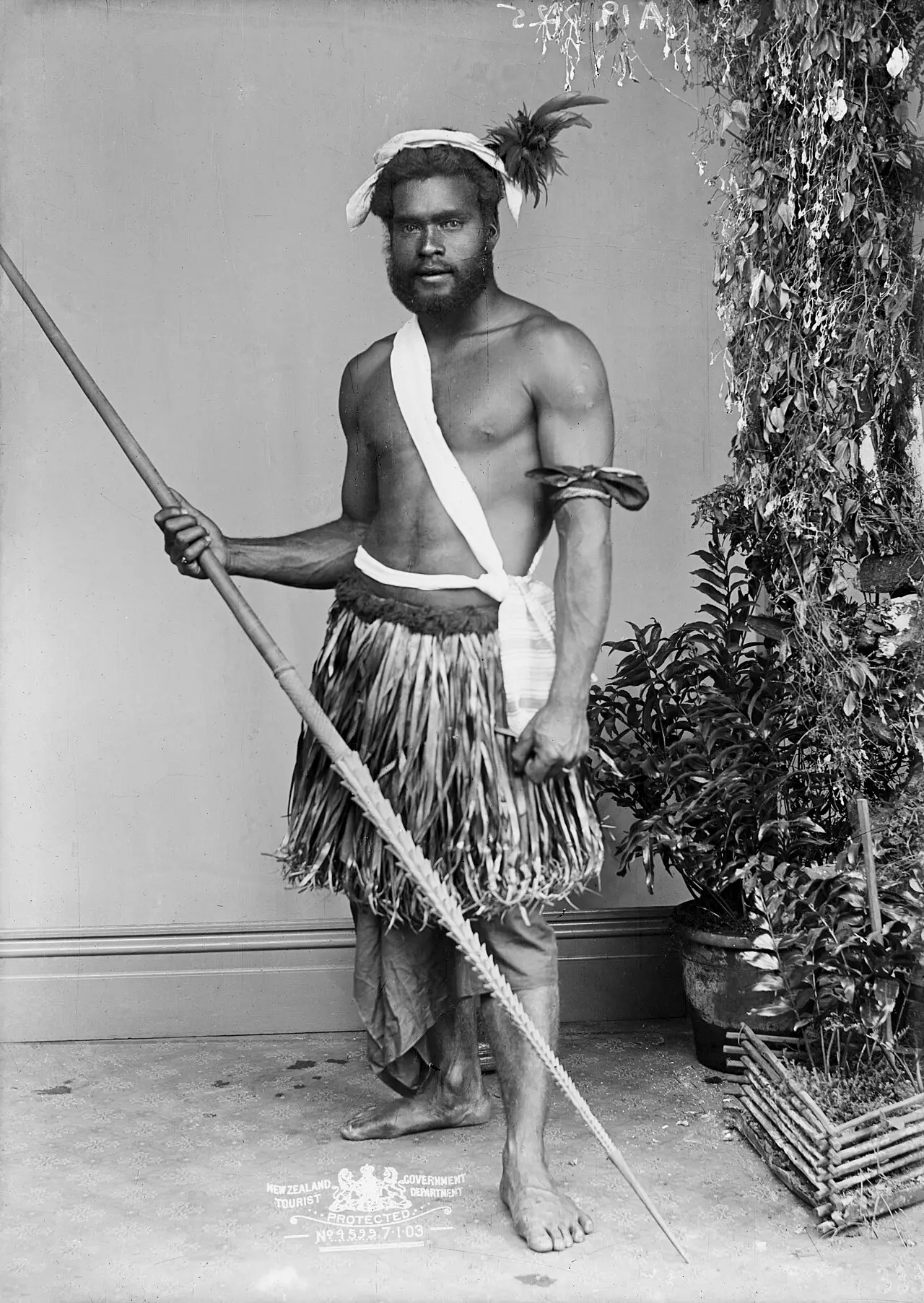
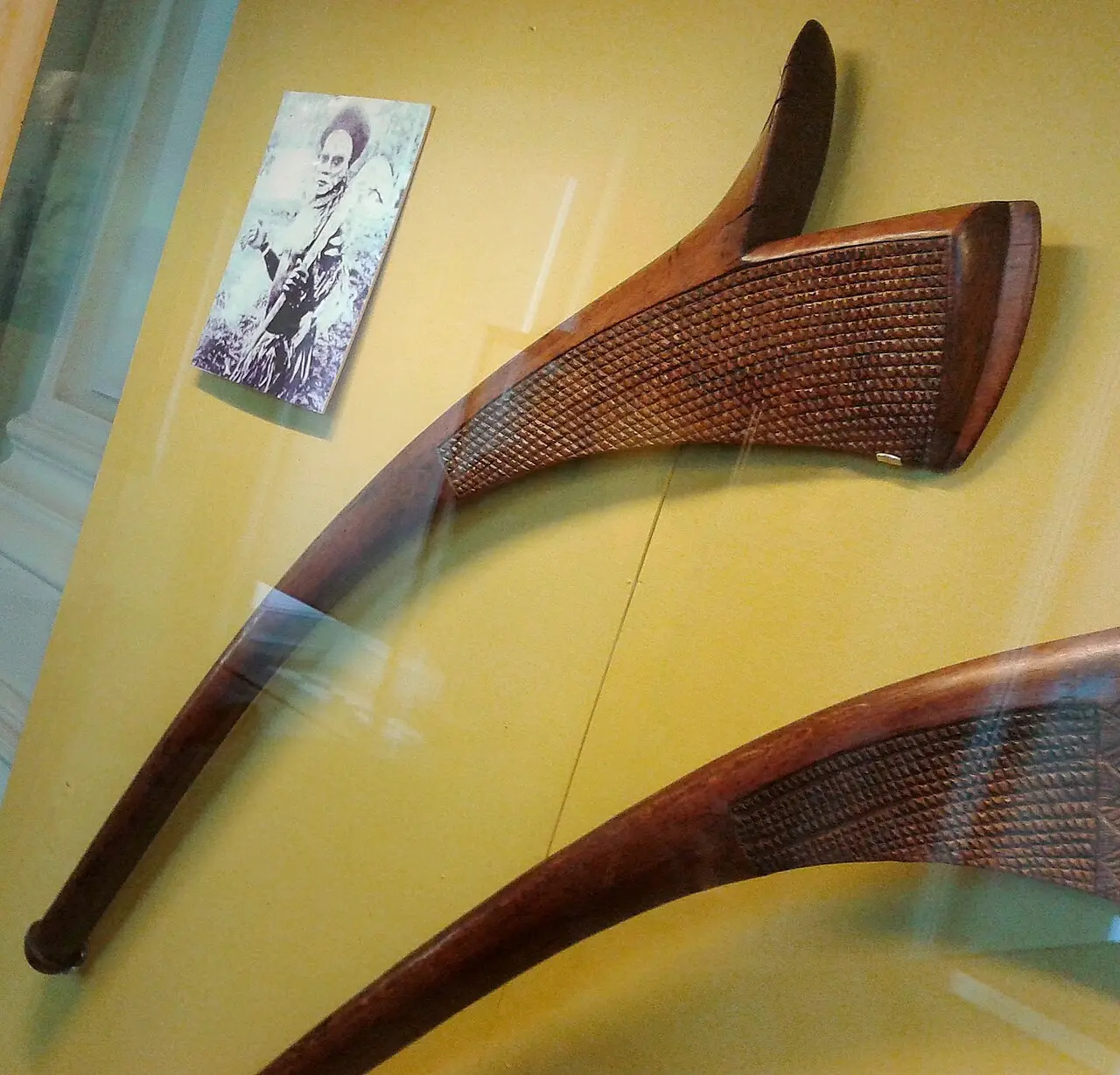
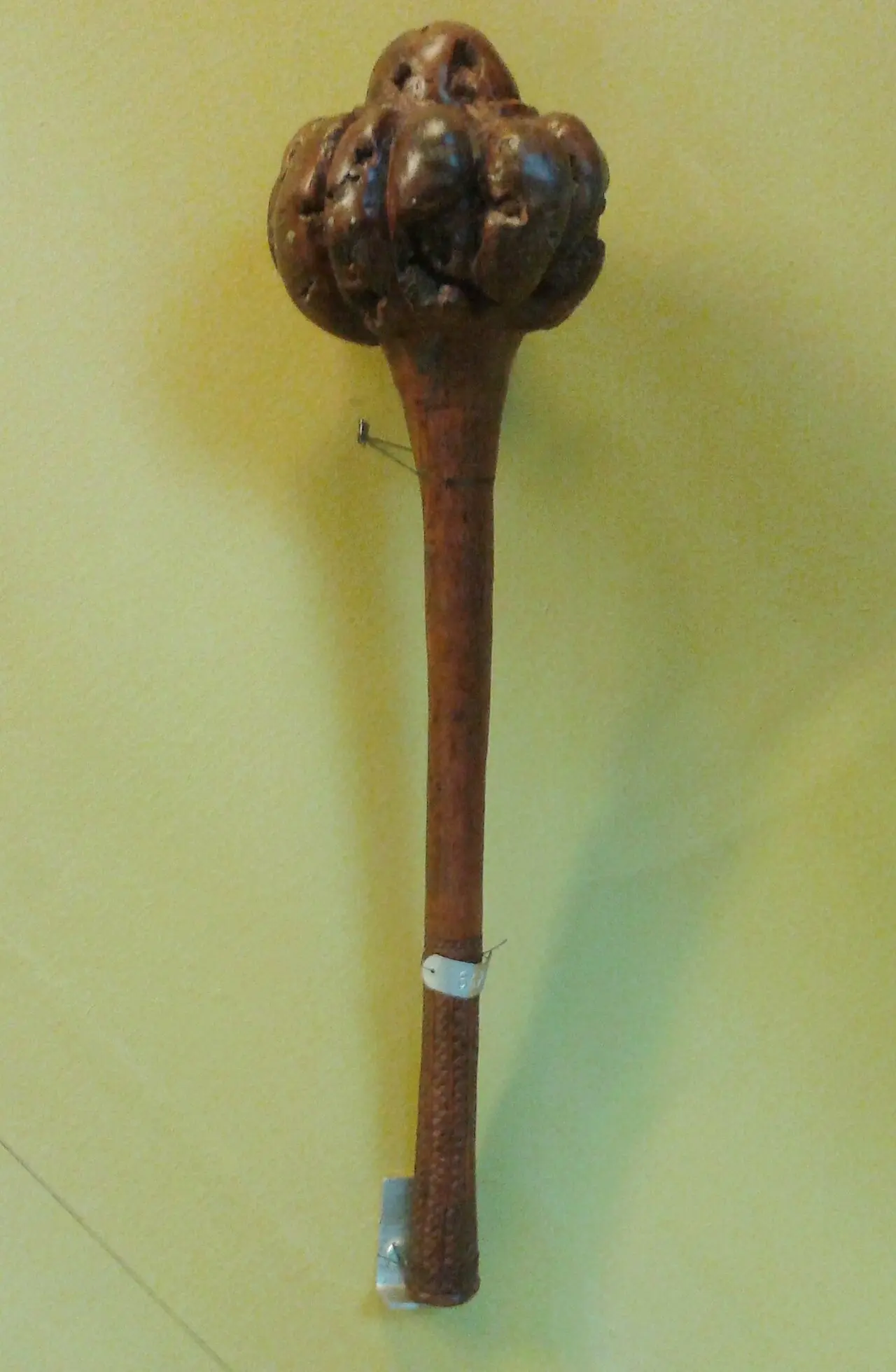
Chiefdoms competed for influence, resources and allegiance. Alliances shifted, and fighting could involve raids, defended settlements and canoe fleets. Clubs and spears were weapons, but finely made clubs also expressed status and spiritual associations.
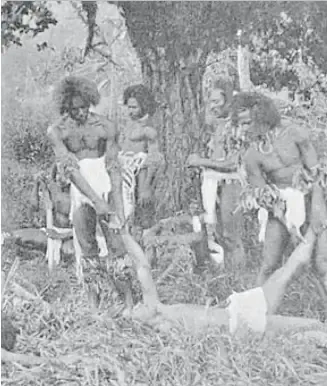
Cannibalism occurred in some historical ritual and conflict contexts. Its meanings and extent should not be reduced to one explanation, or used to define all Fijian life. Claims that every warrior ate enemies to absorb their power flatten a varied history and require evidence.
In the nineteenth century, imported firearms became another resource within these rivalries. They mattered alongside local leadership, supplies, terrain and allies.
- Wikipedia: History of Fiji ↗
- Wikipedia: Confederacies of Fiji ↗
- Cambridge MAA · Viti ↗
- Cambridge MAA · Chiefdoms ↗
- Cambridge MAA · Priests ↗
- Cambridge MAA · Traders ↗
This pictureSeated man holding a club — historical portrait supplied to the museum · Historical image supplied to the museum · identity, date, source and rights to be confirmed
Chapter text is awaiting cultural and historical review.
 Dimau Group