
 Communities today
After girmit
Communities today
The end of a contract was the beginning of many different futures.
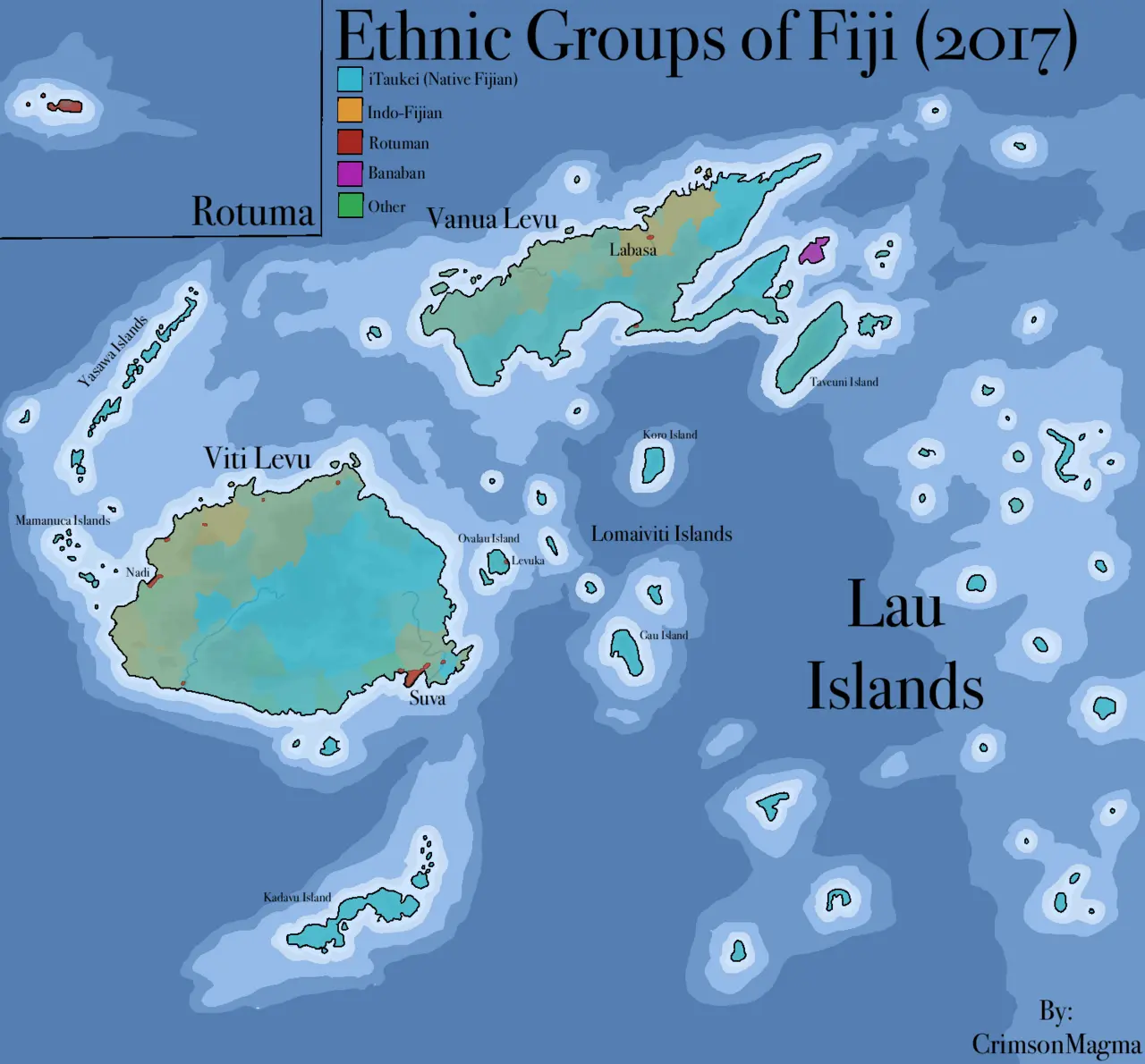
Some migrants returned to India; many remained and built homes, farms, businesses and institutions in Fiji. Family ties, resources and the conditions of return shaped those decisions. Staying cannot be explained as one simple choice shared by everyone.
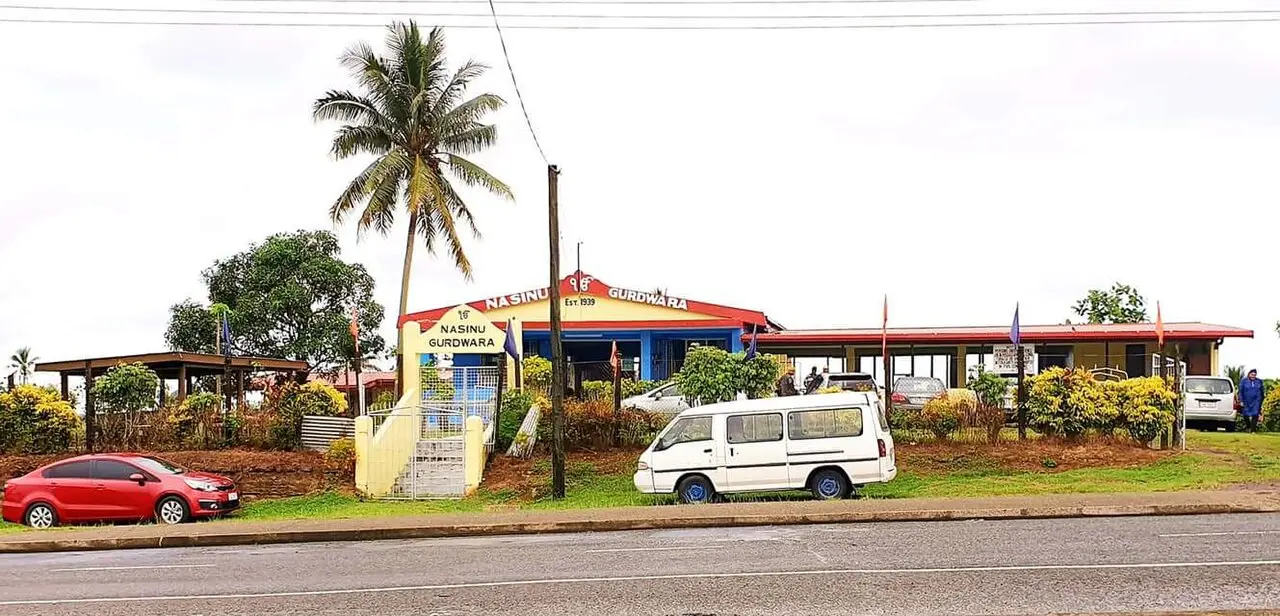
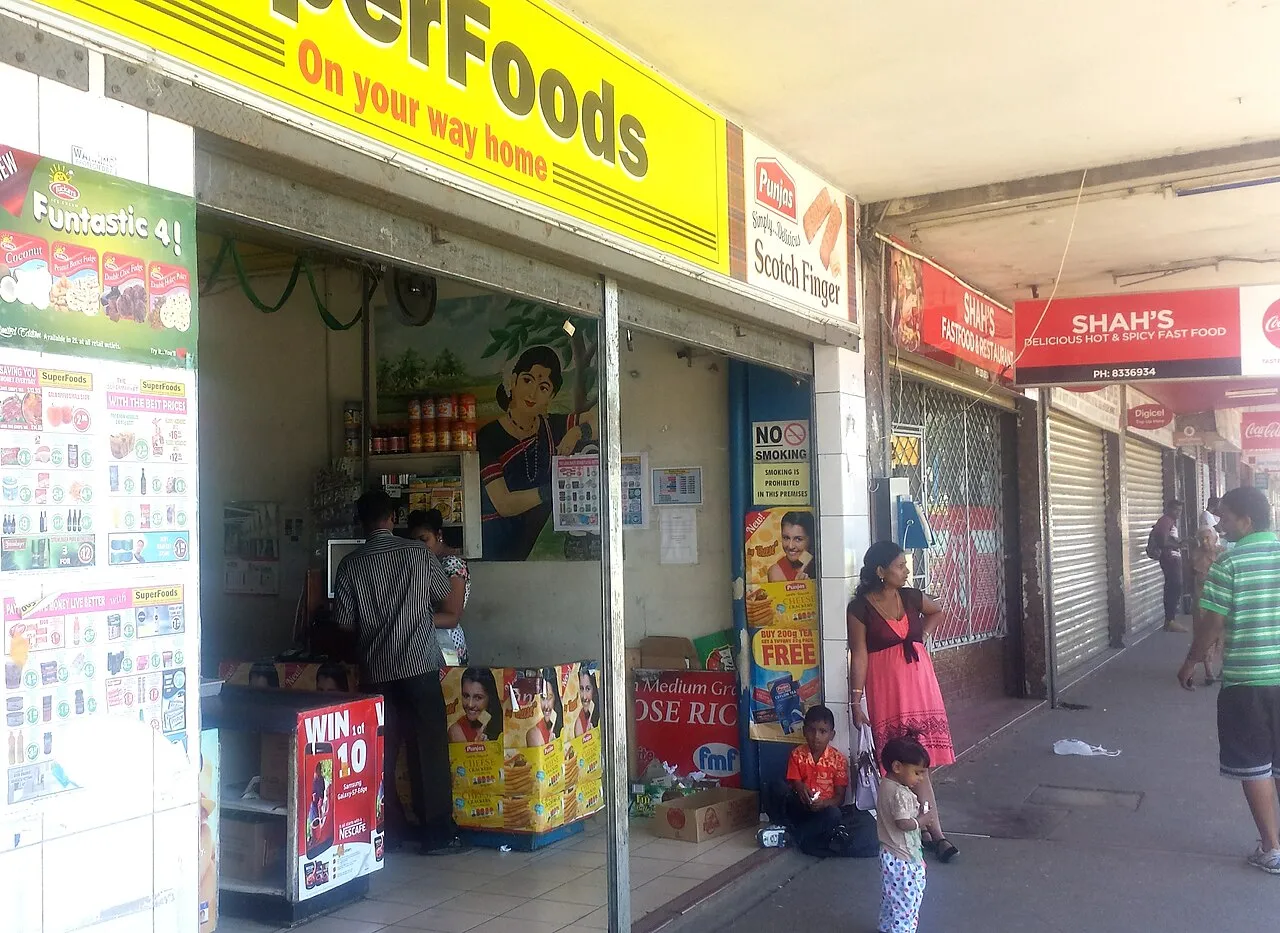
Languages, religious practices, food and community life developed across generations. Fiji Hindi became a distinctive part of that history. Girmit belongs to the story of Fiji as a whole: it connects the survival and creativity of migrant families with the land, labour and political arrangements of the colony.
- Wikipedia: Indo-Fijians ↗
- Wikipedia: Fiji Hindi ↗
- Wikipedia: Hinduism in Fiji ↗
- Girmit.org · History ↗
- National Archives of Fiji / National Library of Australia · Emigration passes ↗
- Fiji Government · Girmit commemoration ↗
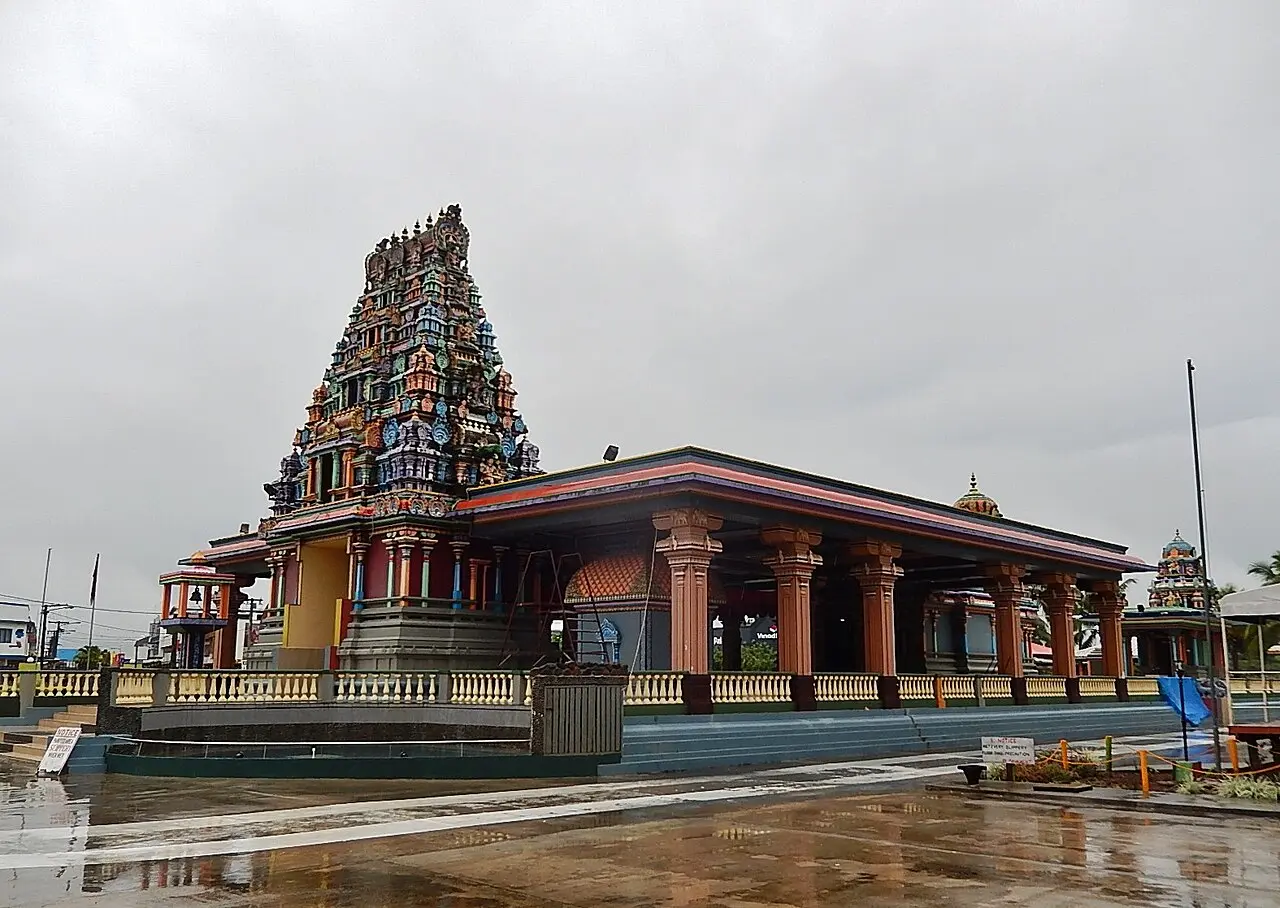
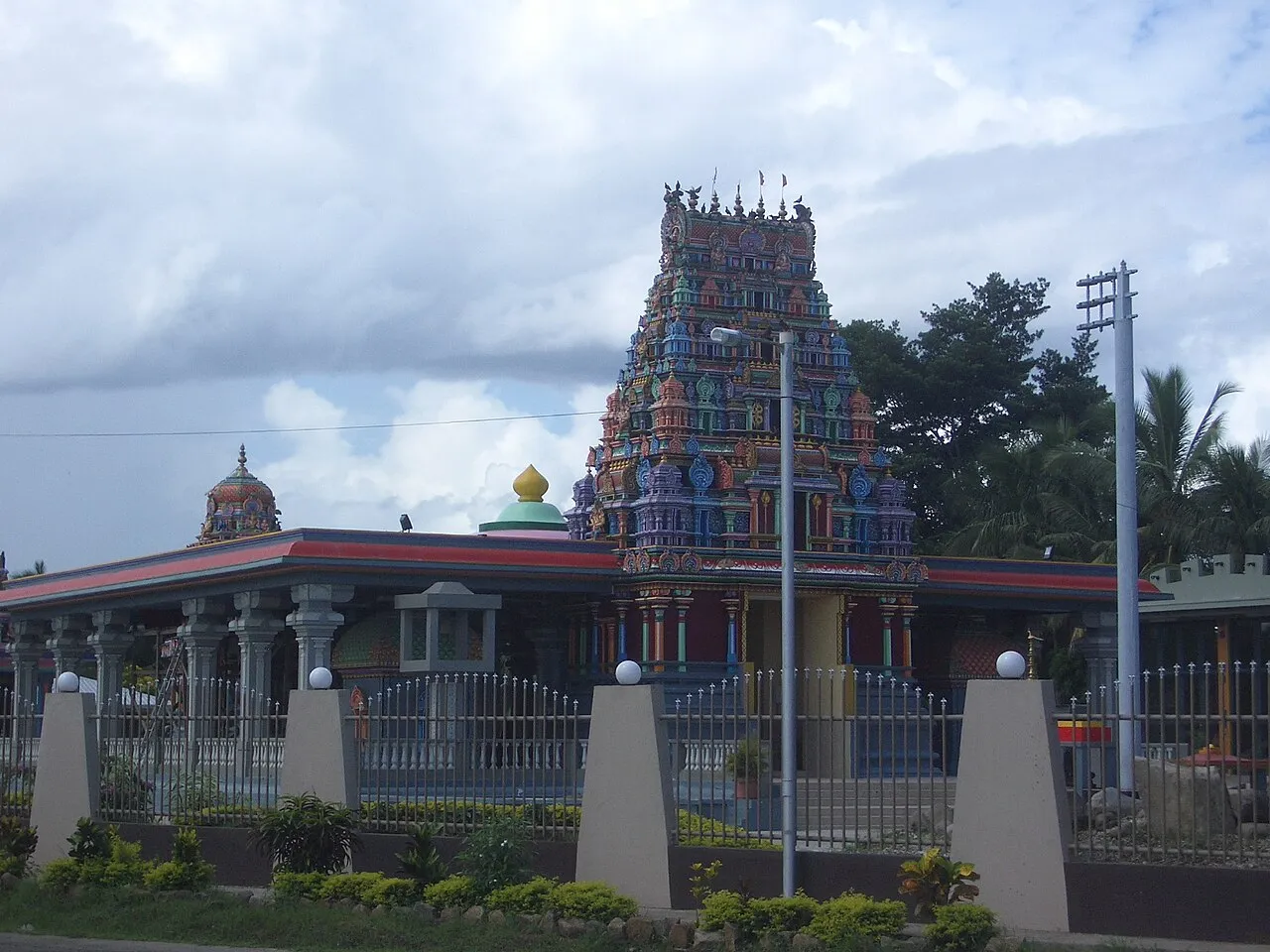
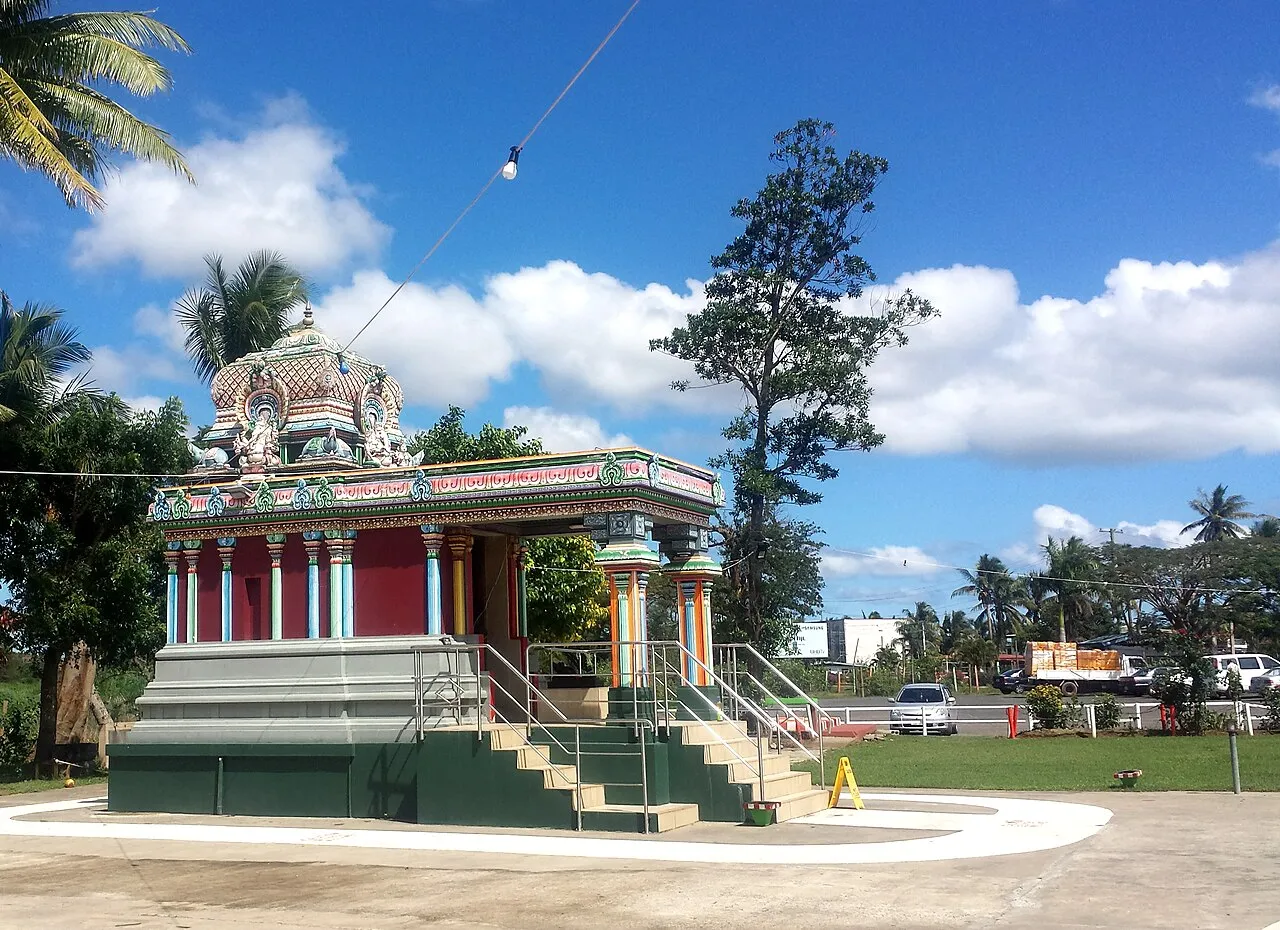
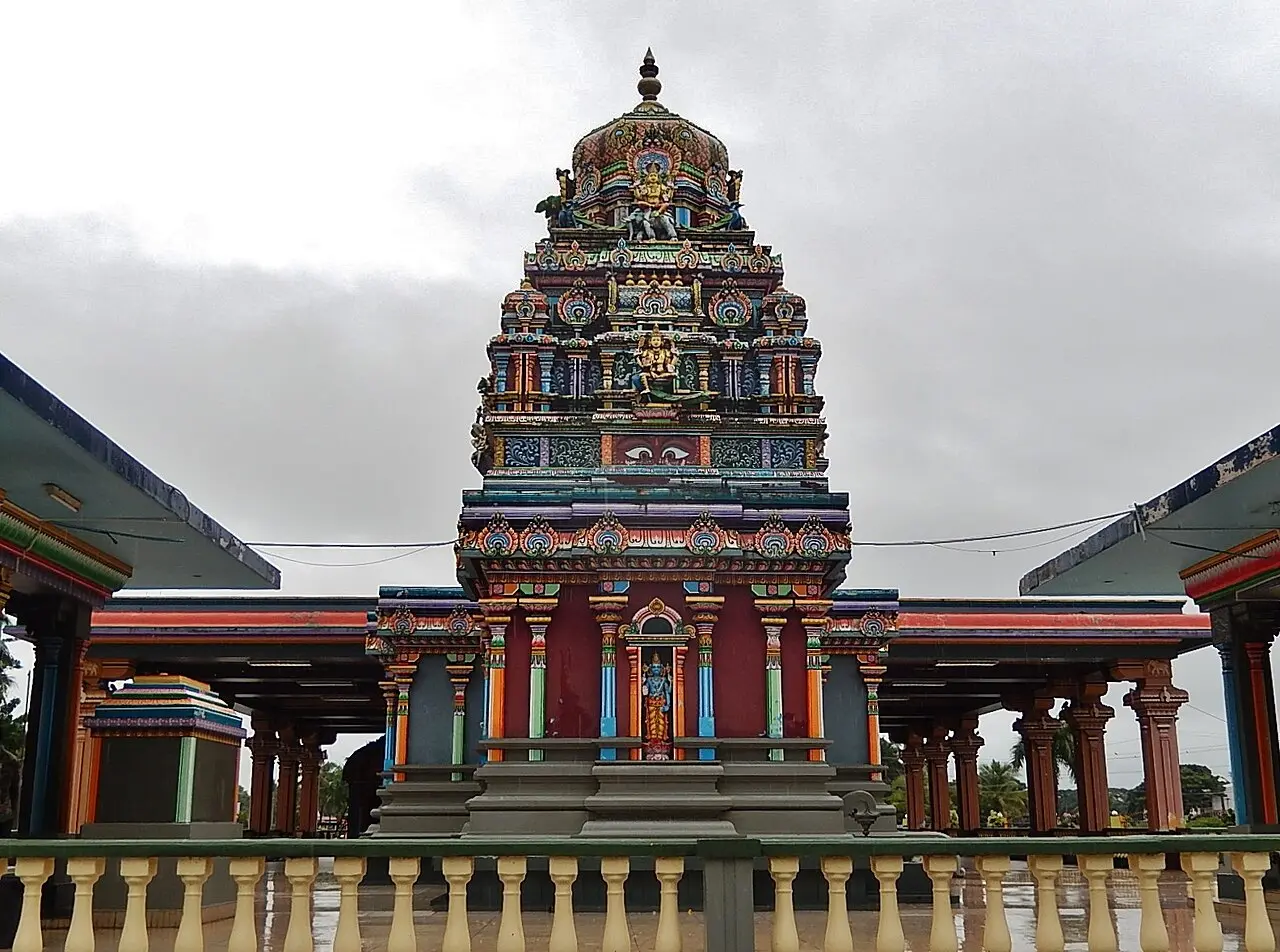
This pictureSouth Indian style Hindu temple in Fiji Hinduism in Fiji (2014) · Michael Coghlan from Adelaide, Australia · CC BY-SA 2.0 · record ↗
Chapter text is awaiting cultural and historical review.
 Dimau Group