 1914 to 1920
Ending indenture
1914 to 1920
Indenture ended through struggle, testimony and political pressure.
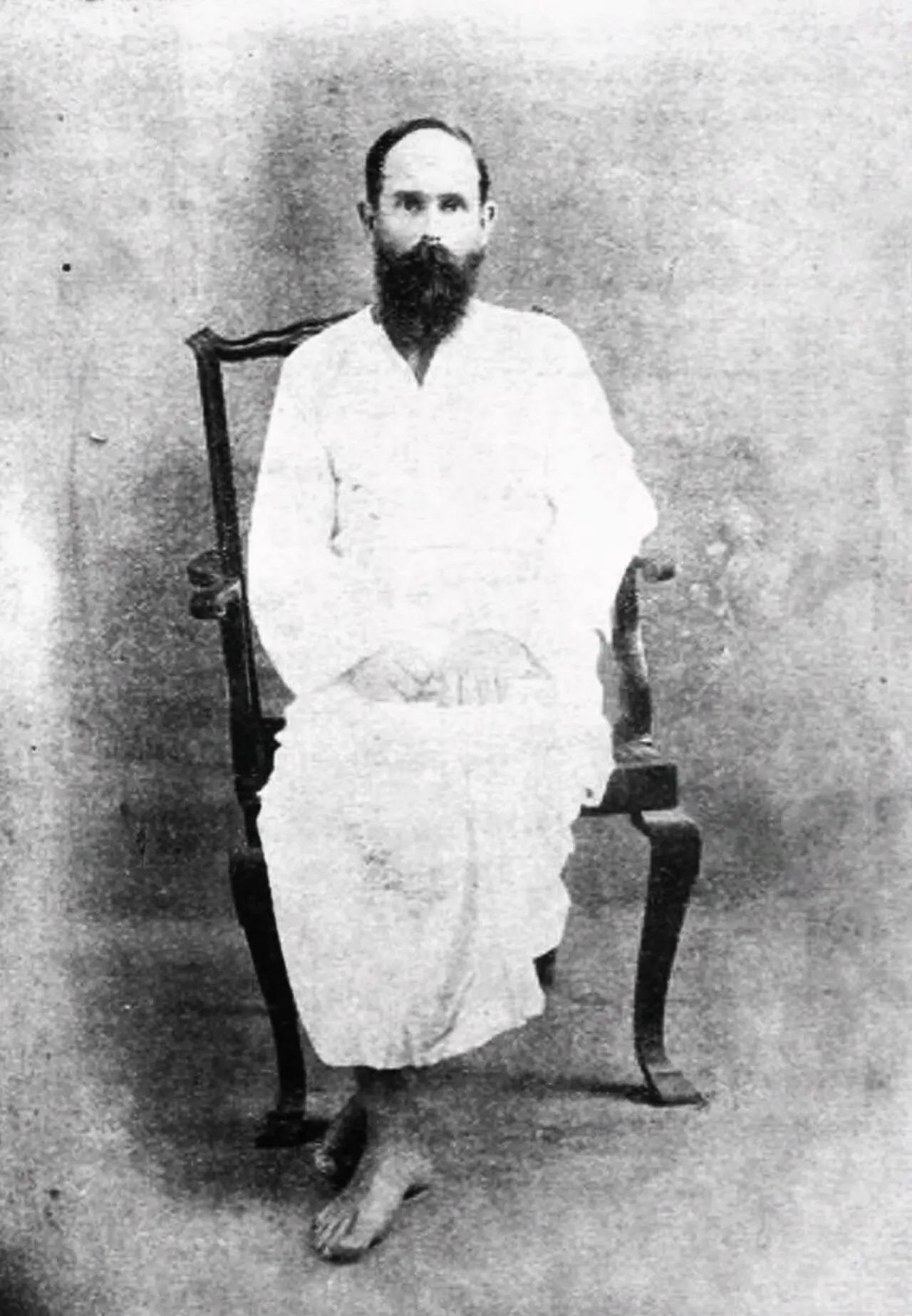
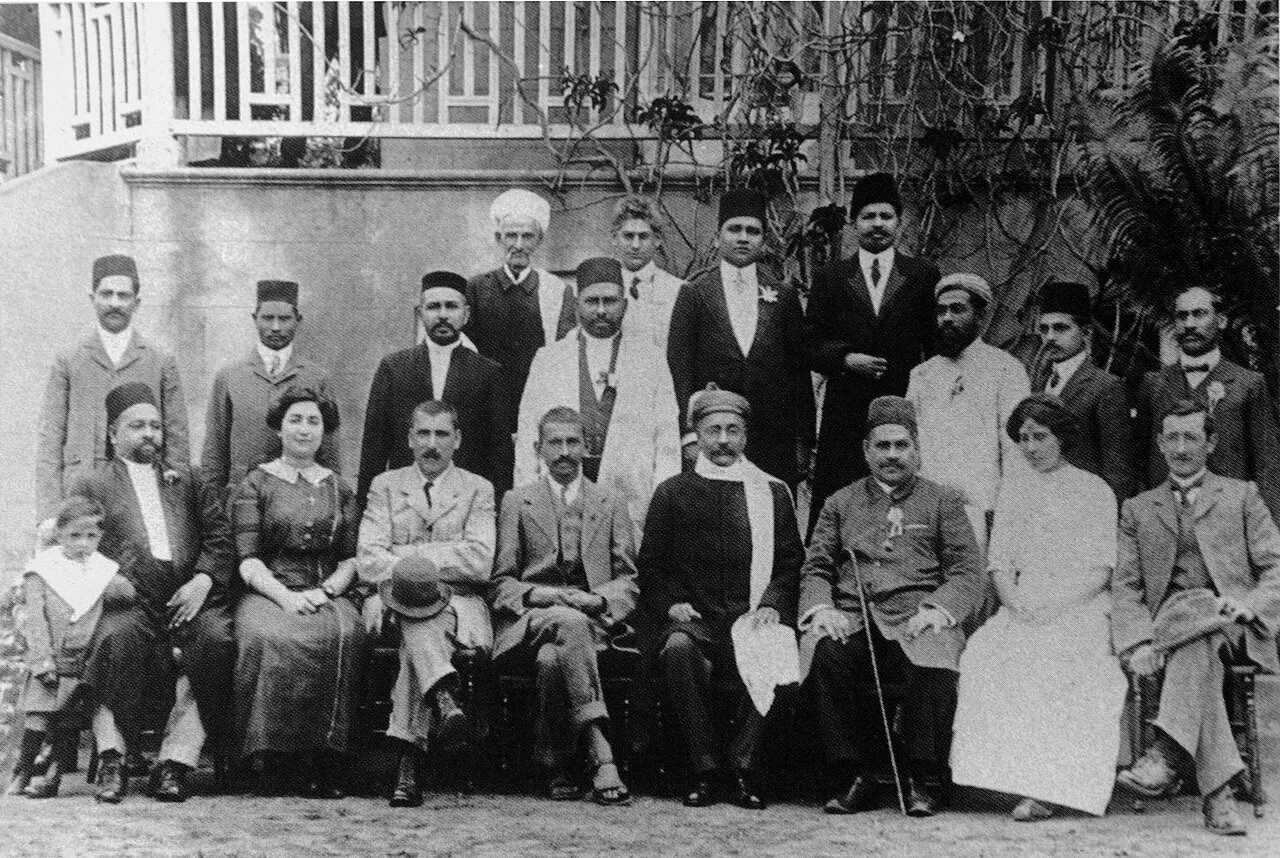
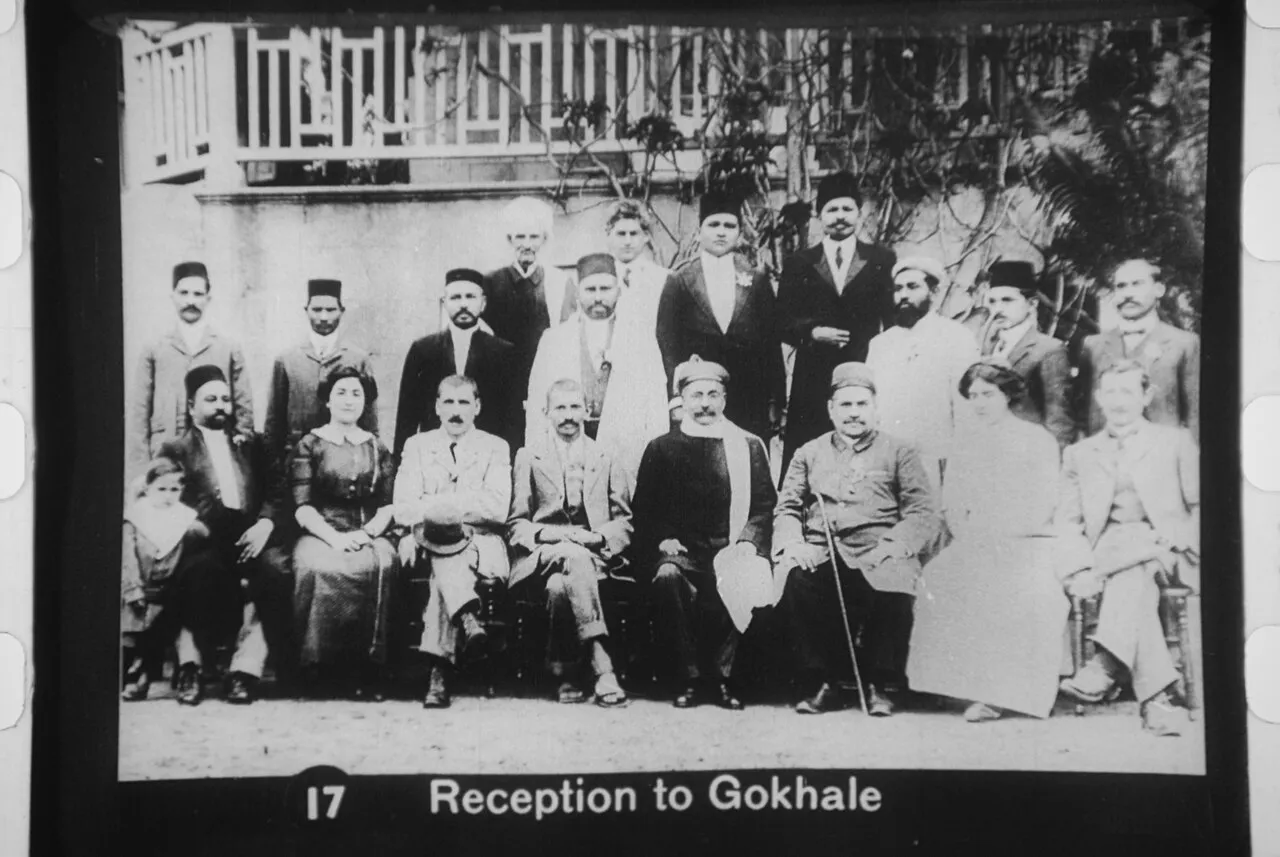
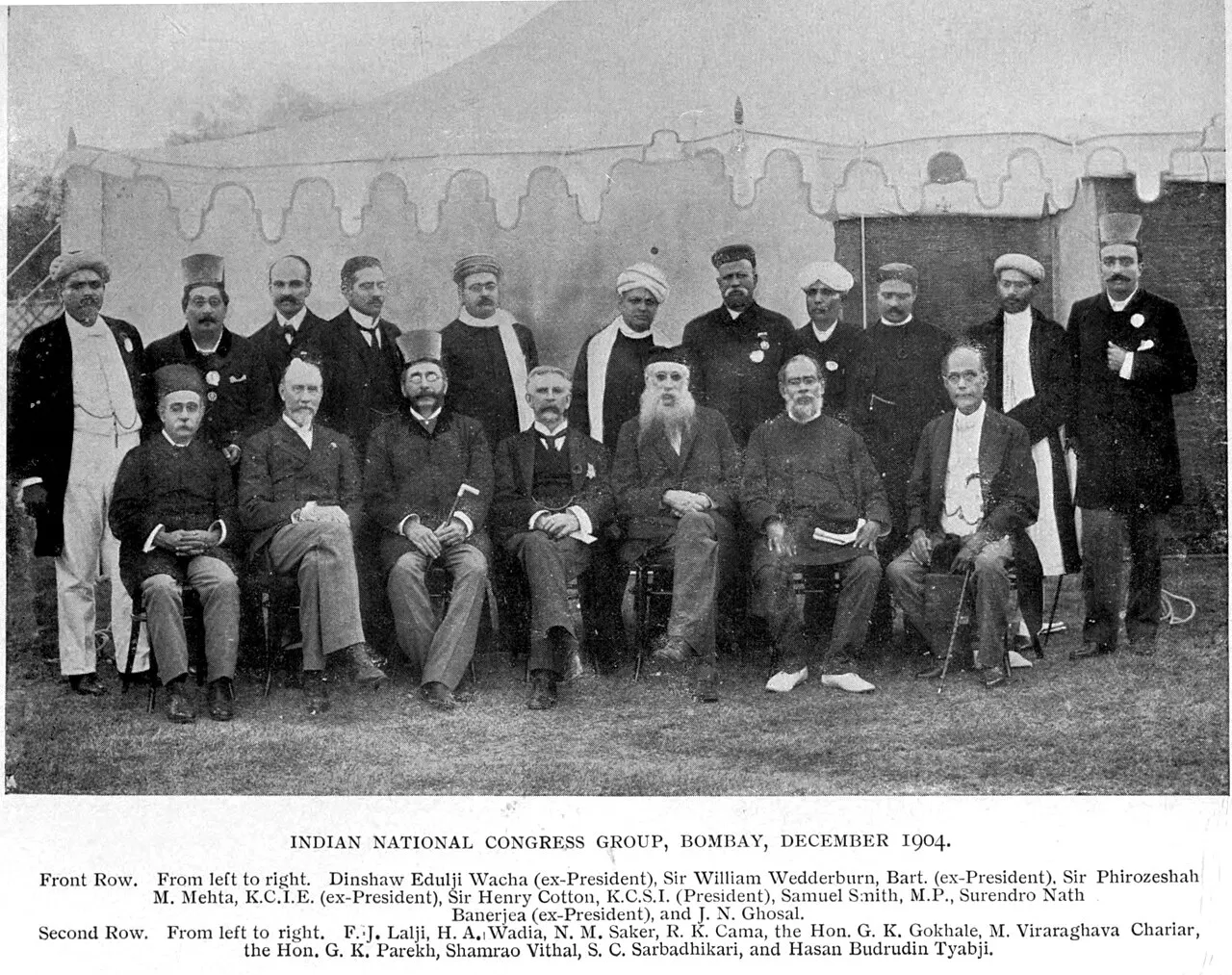
Workers’ complaints and resistance formed part of a wider challenge to indenture. Totaram Sanadhya’s published account brought plantation experiences to readers in India; campaigners and visiting investigators also drew attention to the system.
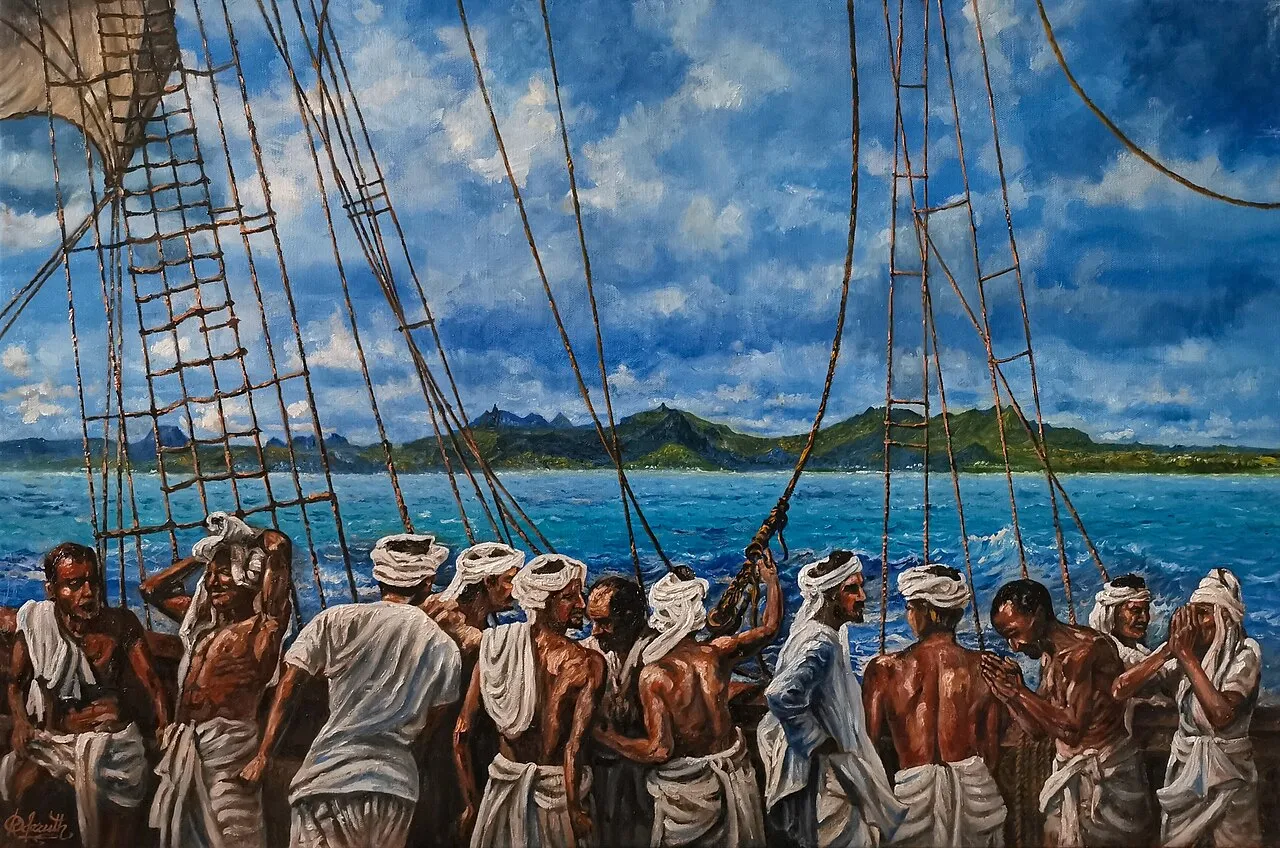
The last indentured arrivals reached Fiji in 1916. Remaining indentures ended in 1920. These are different milestones: stopping new migration did not immediately release everyone already serving a contract. Nor did abolition itself end unequal access to land, political power or secure livelihoods.
- Wikipedia: Totaram Sanadhya ↗
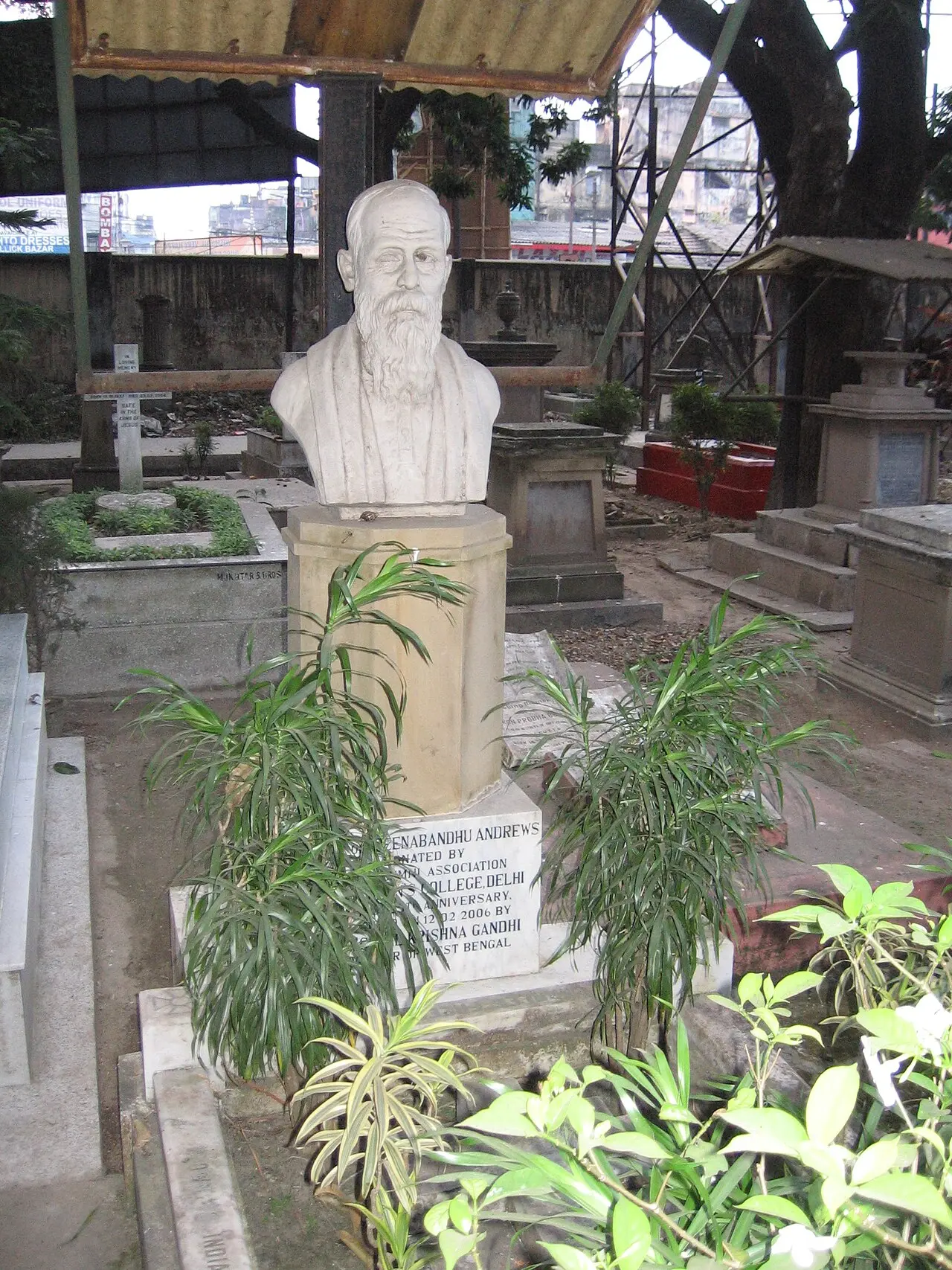
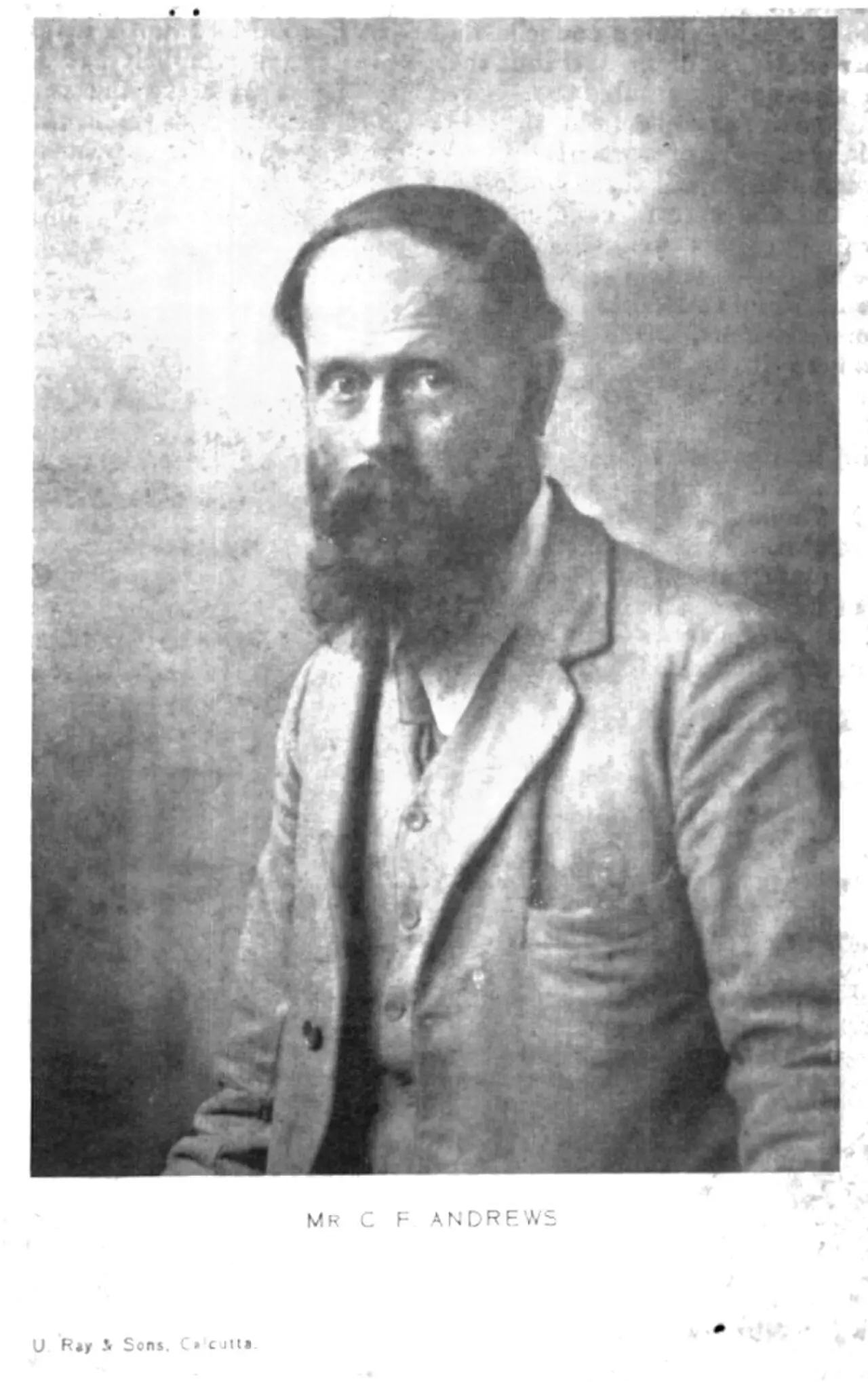
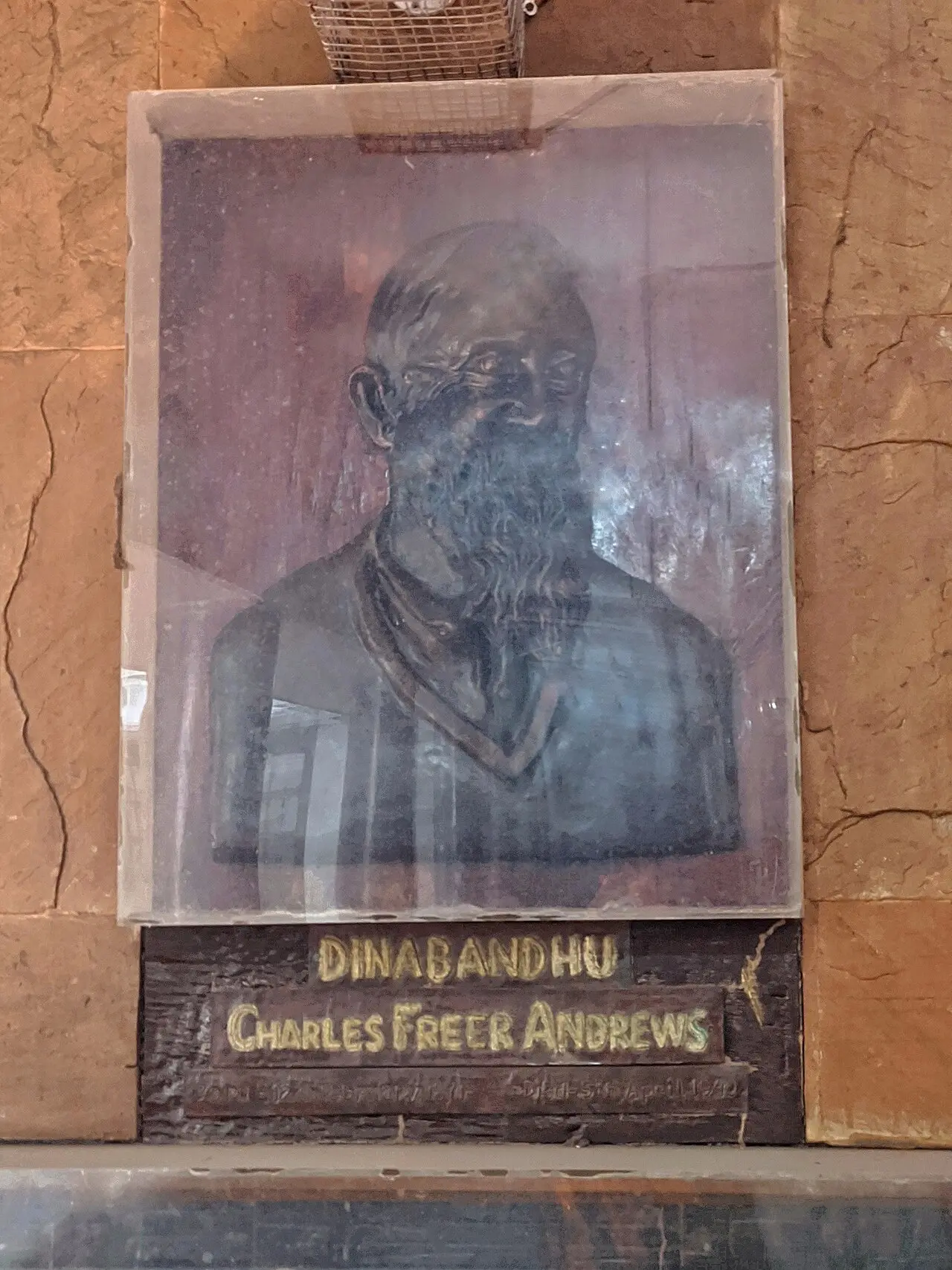
- Wikipedia: C. F. Andrews ↗
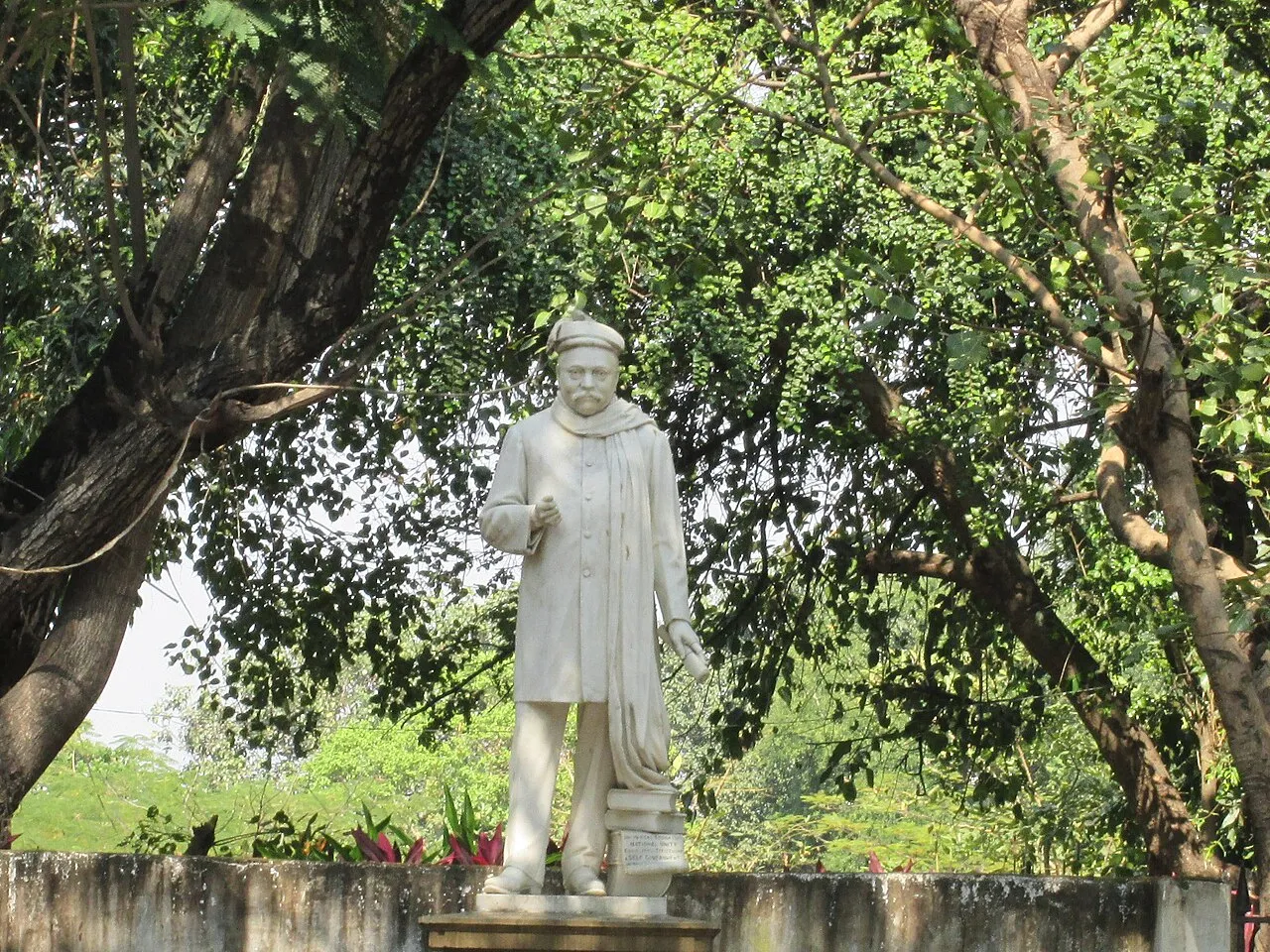
- Wikipedia: Gopal Krishna Gokhale ↗
- Wikipedia: Indian indenture system ↗
- Girmit.org · History ↗
- The Agreement and the Girmitiya · Harvard Law Review ↗
This pictureThe bust of C.F.Andrews (1871-1940), Anglican priest and friend of the Mahatma Gandhi. · Grentidez · CC BY-SA 3.0 · record ↗
Chapter text is awaiting cultural and historical review.
 Dimau Group