 On the plantations
c. 1000 BCE164317741804Early 1800s12 October 1835185330 April 18541855187110 October 1874By 187514 May 18791916192010 October 1970
Life in the lines
On the plantations
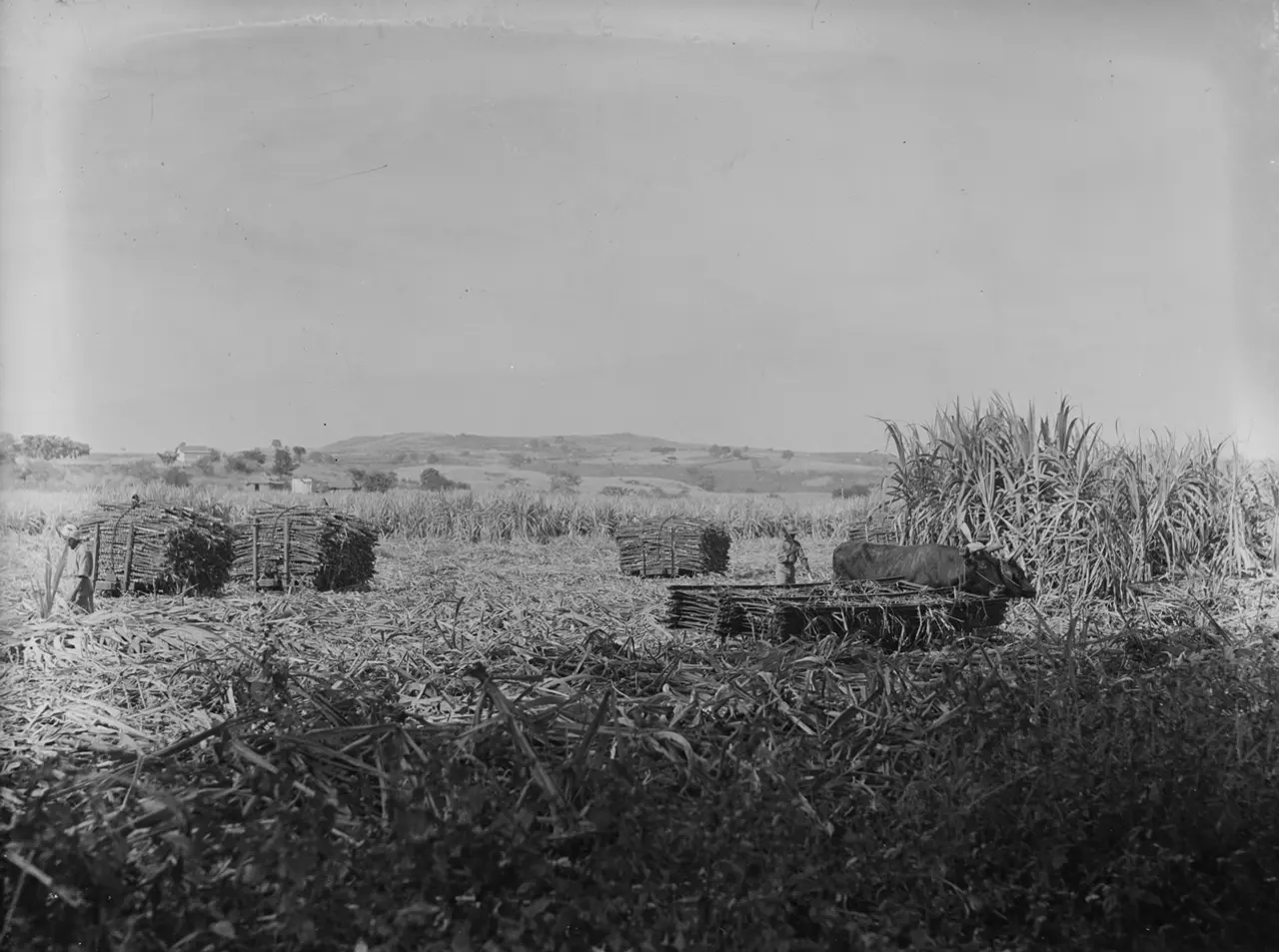
The plantation day continued beyond the fields, inside crowded living quarters.
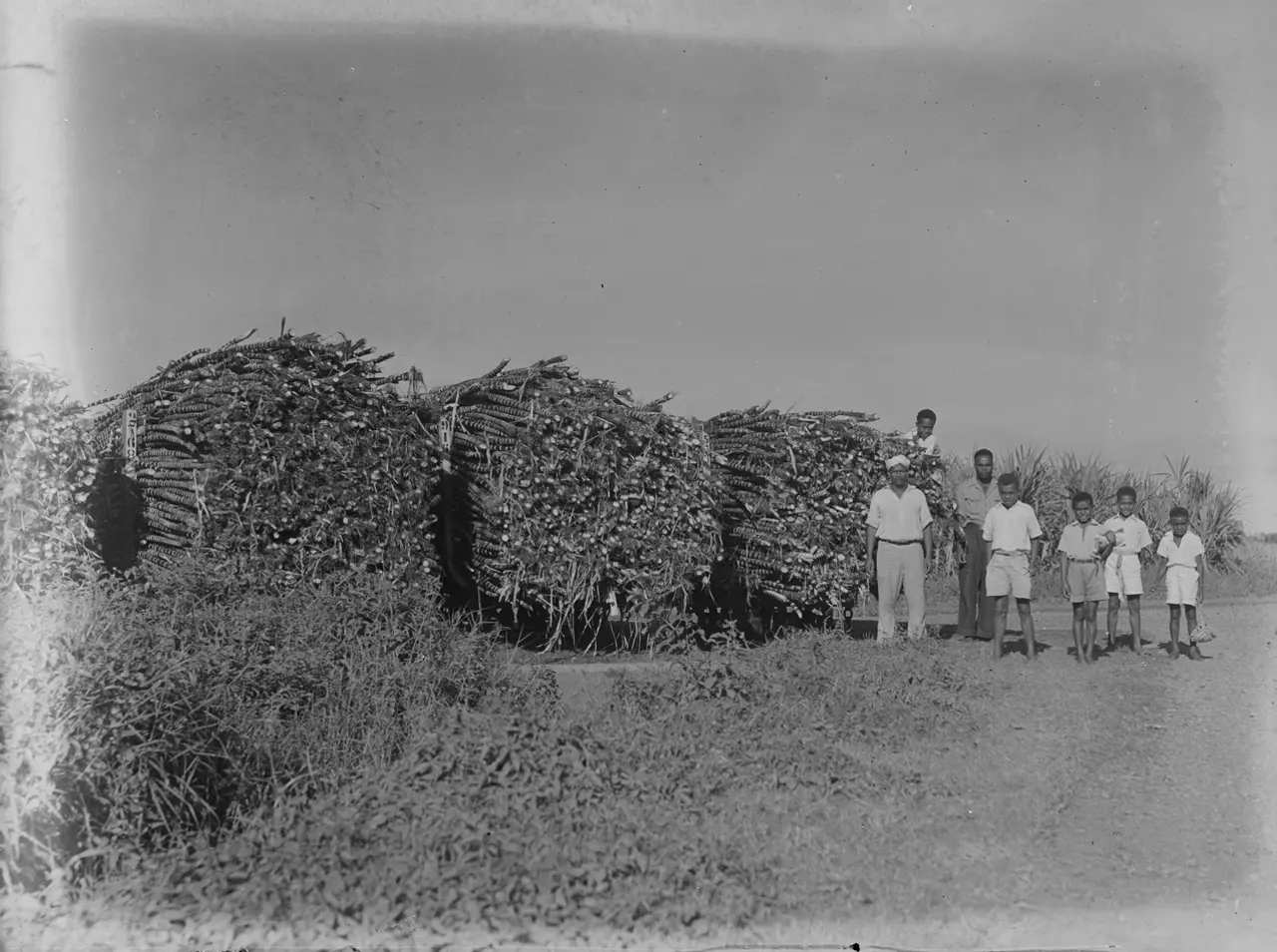
Workers lived in barrack rows known as lines. Demanding tasks, poor accommodation and punishment shaped plantation life. Women faced labour demands alongside particular forms of violence and pressure.
Yet Girmitiyas were not only victims. They formed relationships, supported one another and resisted abuses. Women’s histories include individual and collective action as well as suffering. Keeping both in view restores agency to people often reduced to an anonymous labour force.
Sources
- Wikipedia: Indian indenture system ↗
- Wikipedia: Indo-Fijians ↗
- Australian National University · Women, Indenture, and Resistance ↗
- The Agreement and the Girmitiya · Harvard Law Review ↗
- Girmit.org · History ↗
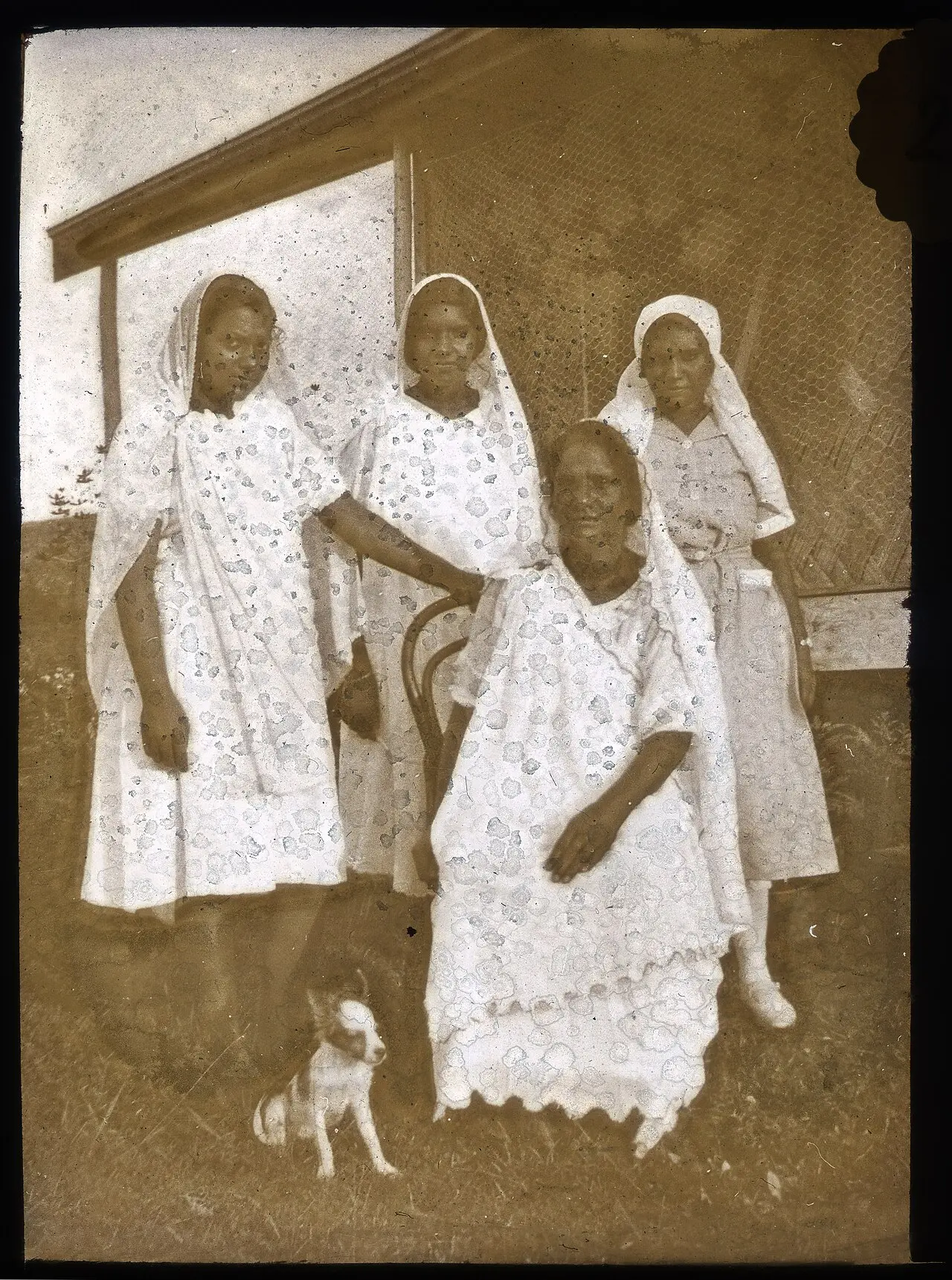
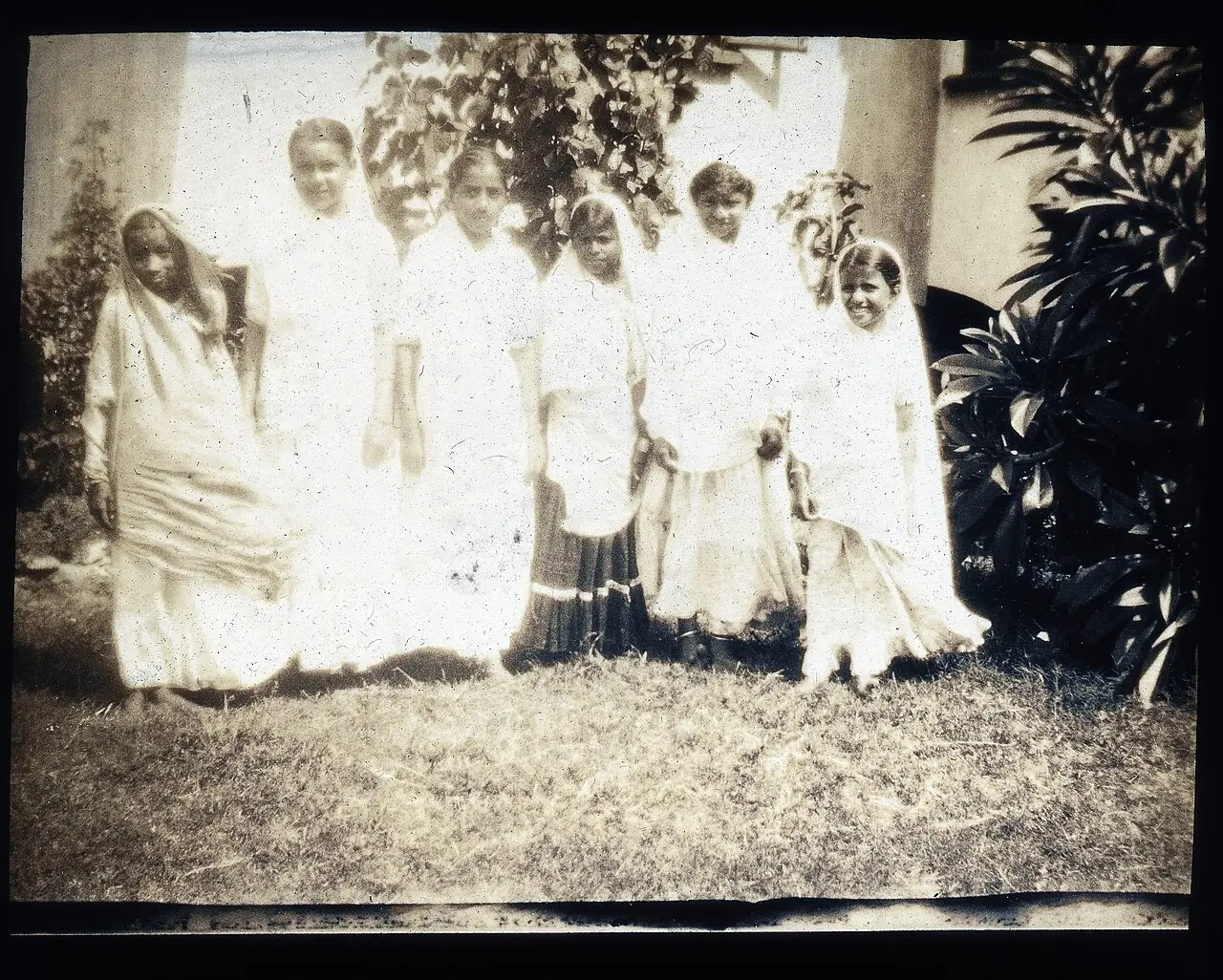
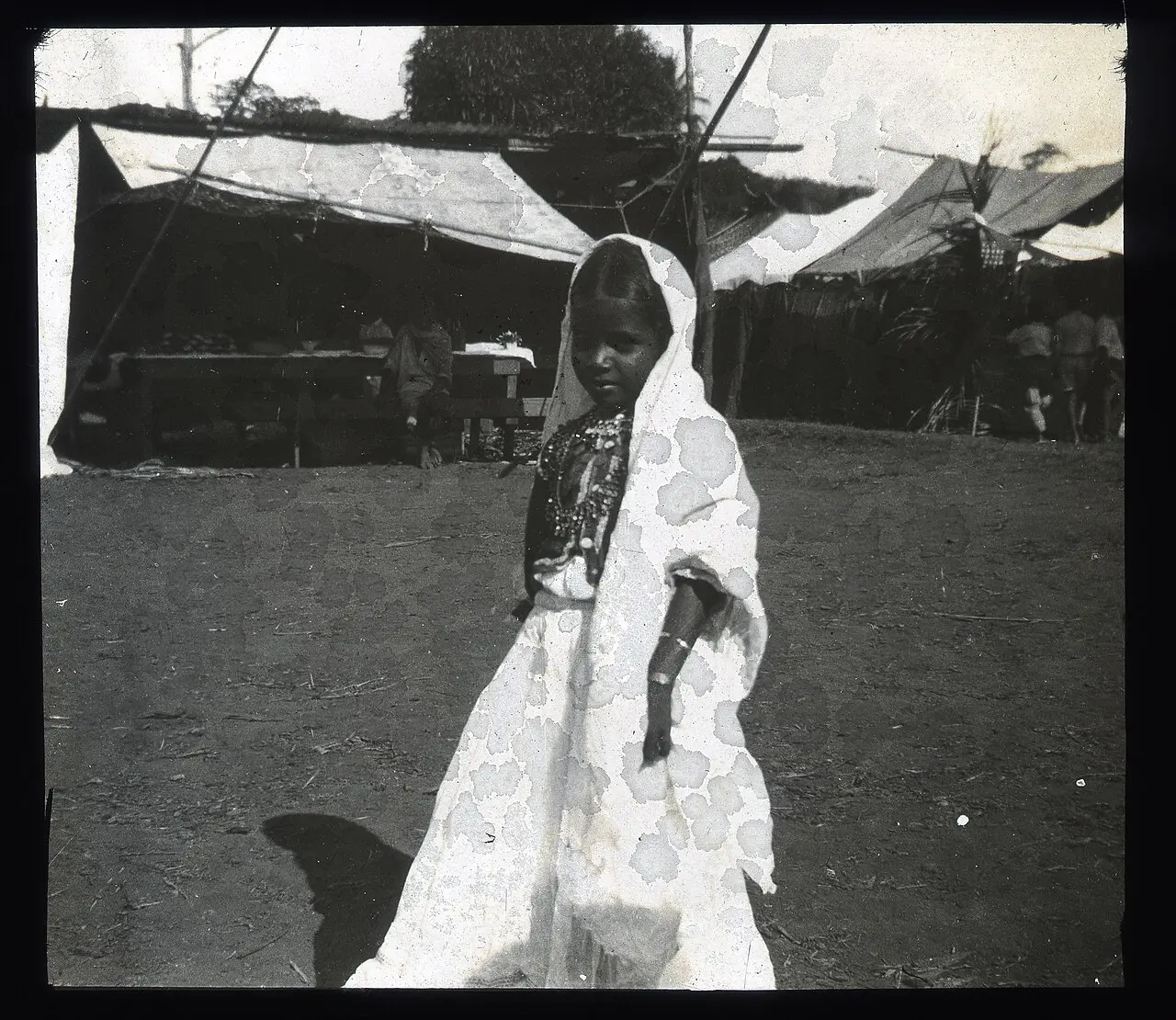
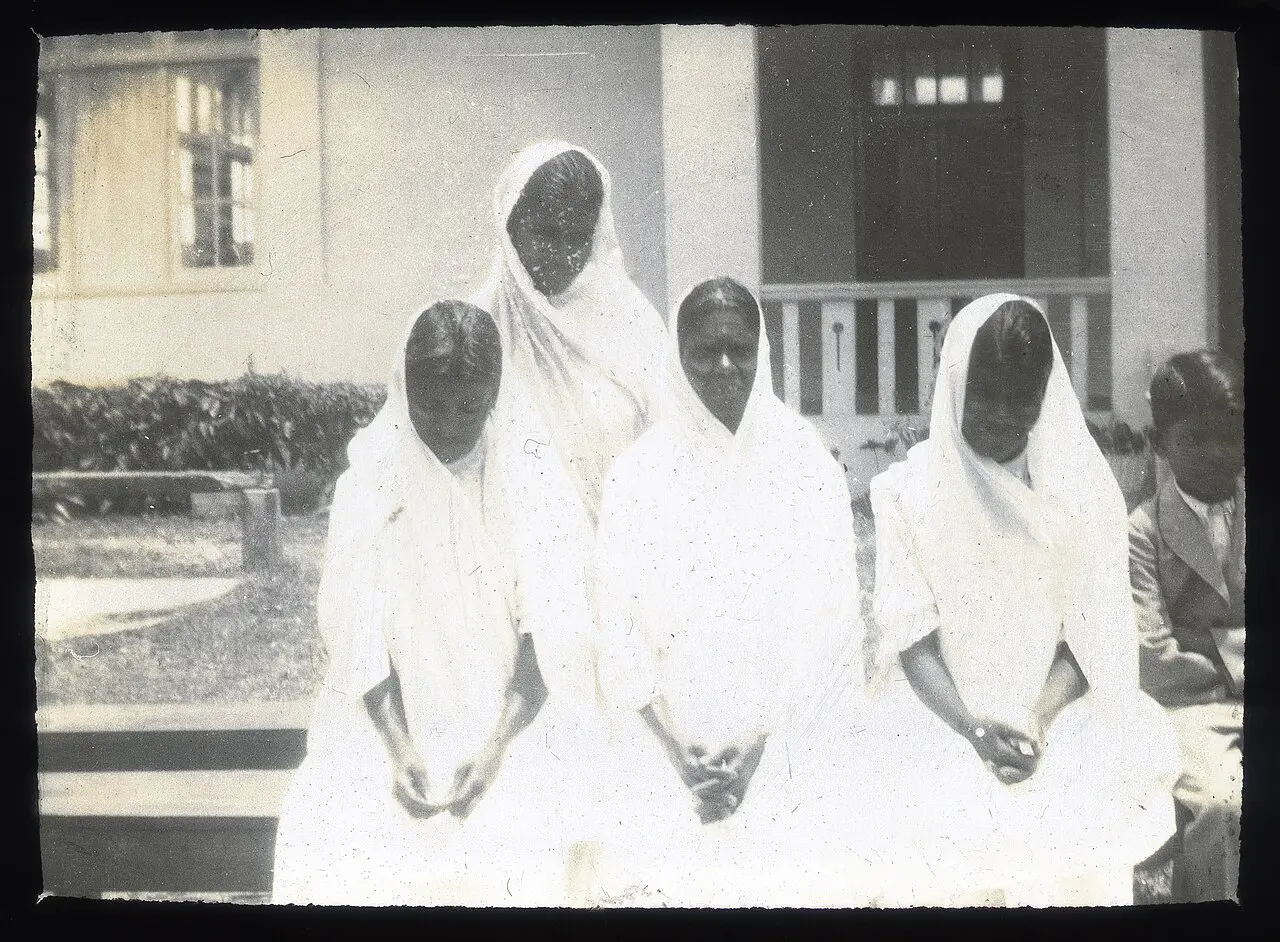
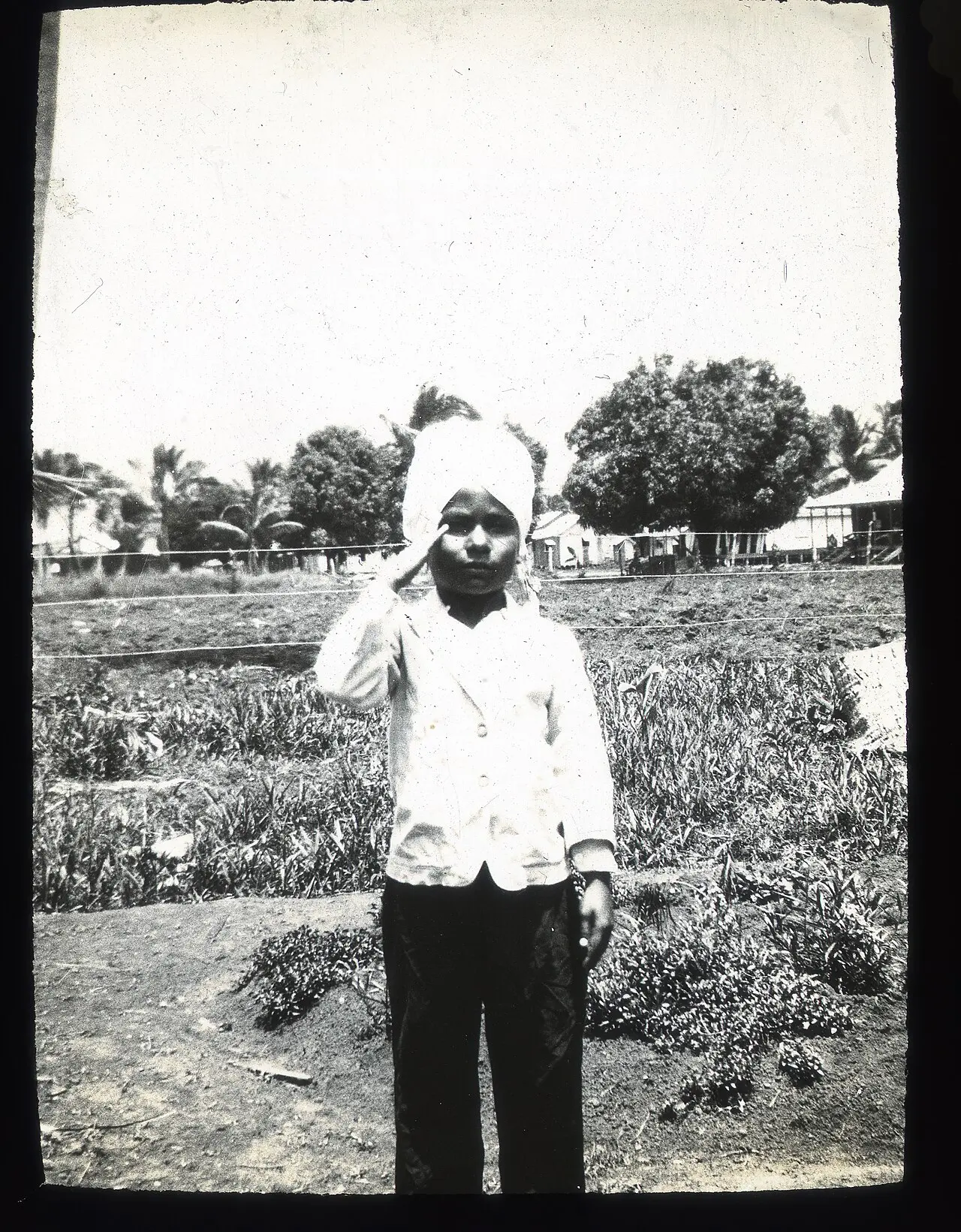
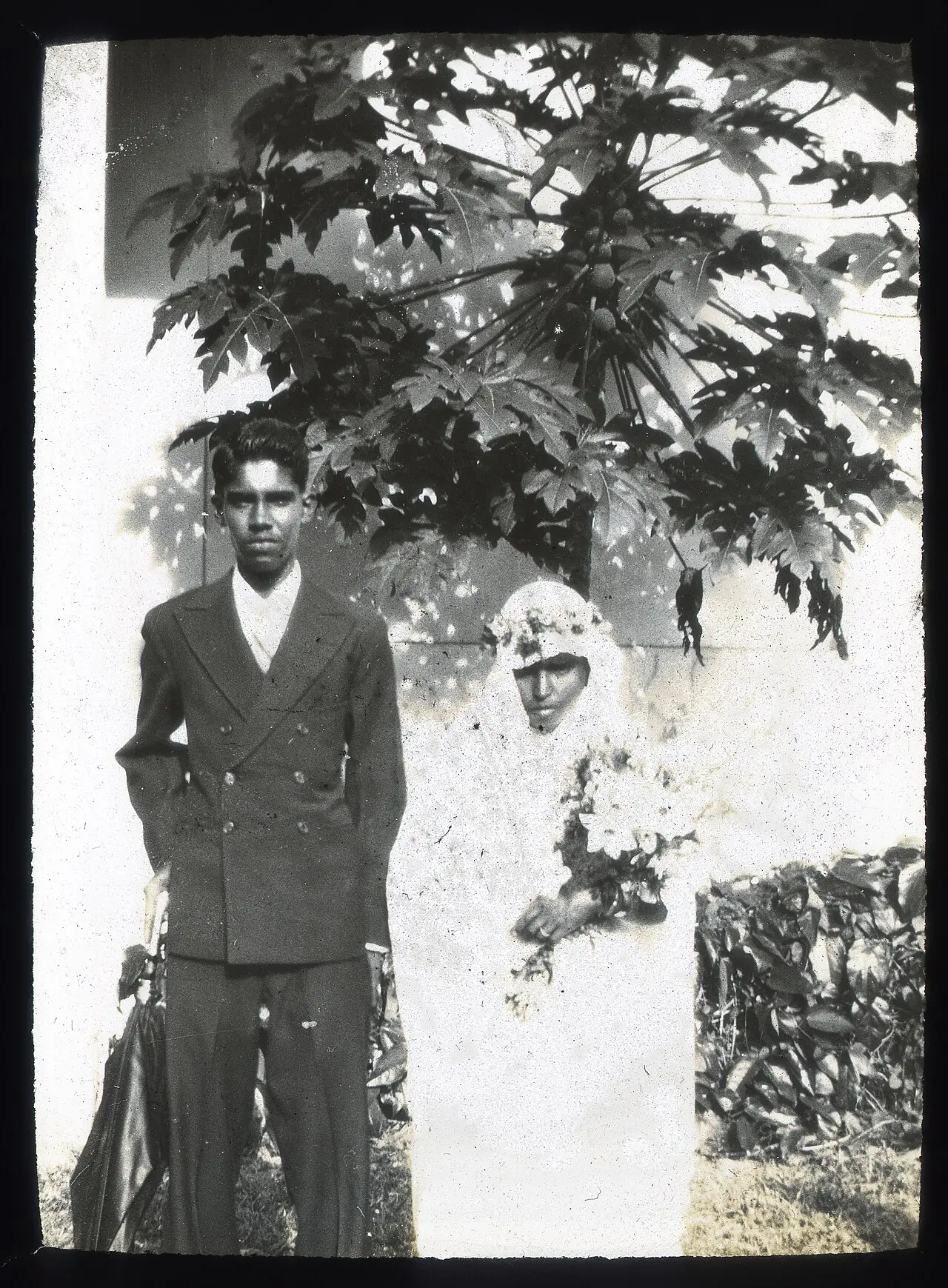
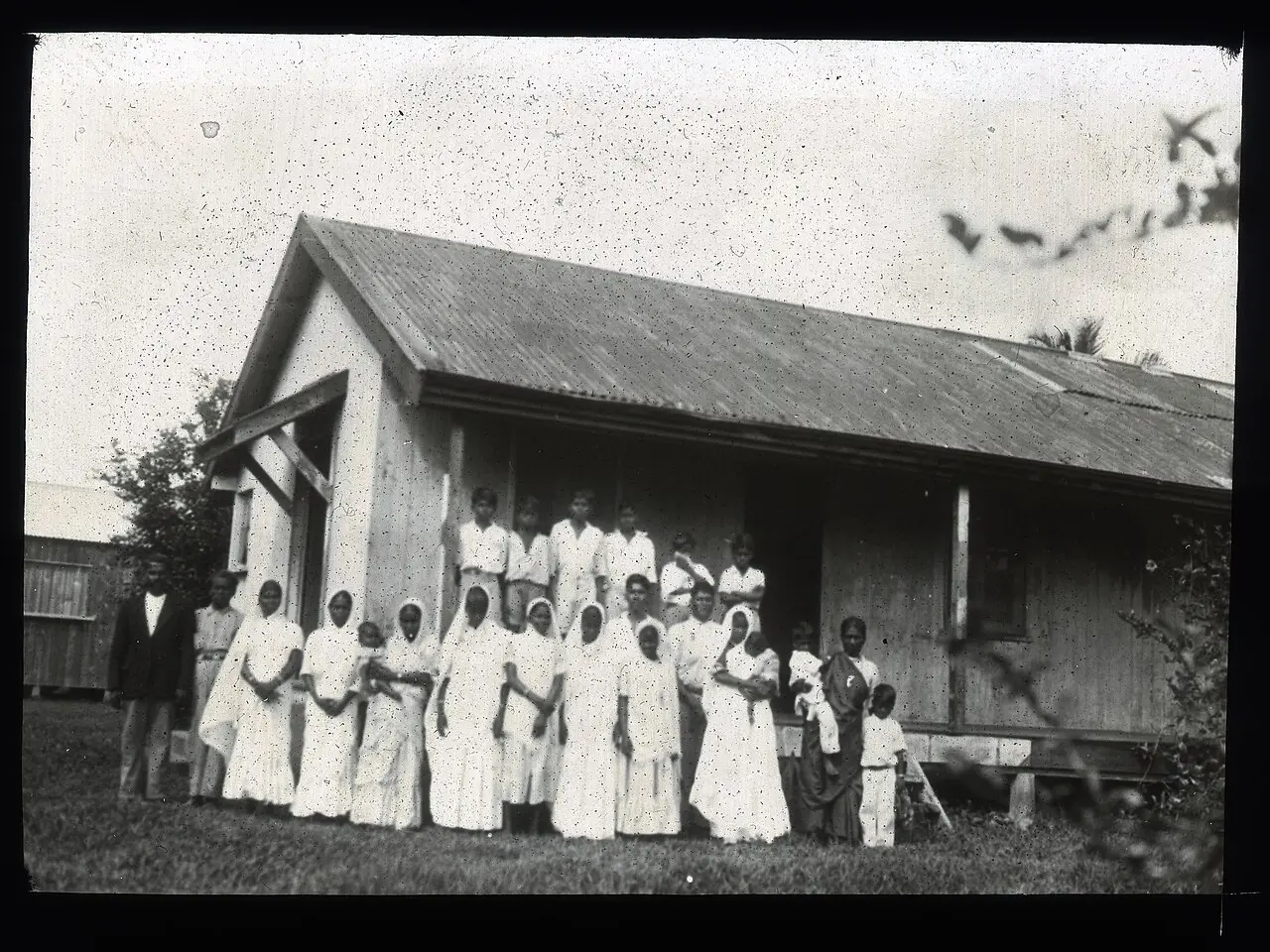
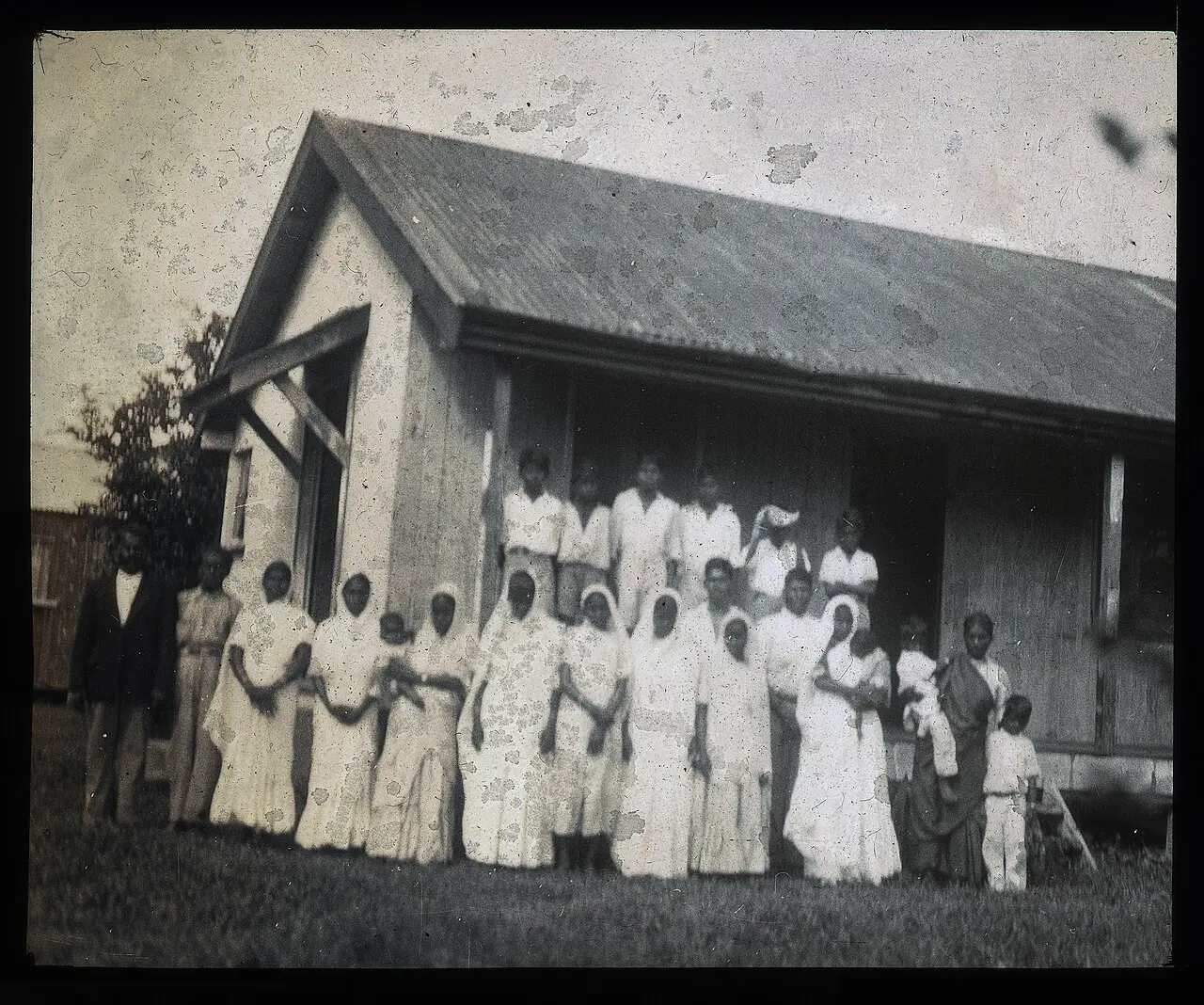
This pictureIndian Women, Fiji (2013) · Special Collections from Callaghan NSW, Australia · Public domain · record ↗
Chapter text is awaiting cultural and historical review.
 Dimau Group