 1882 onwards
c. 1000 BCE164317741804Early 1800s12 October 1835185330 April 18541855187110 October 1874By 187514 May 18791916192010 October 1970
Sugar and the CSR
1882 onwards
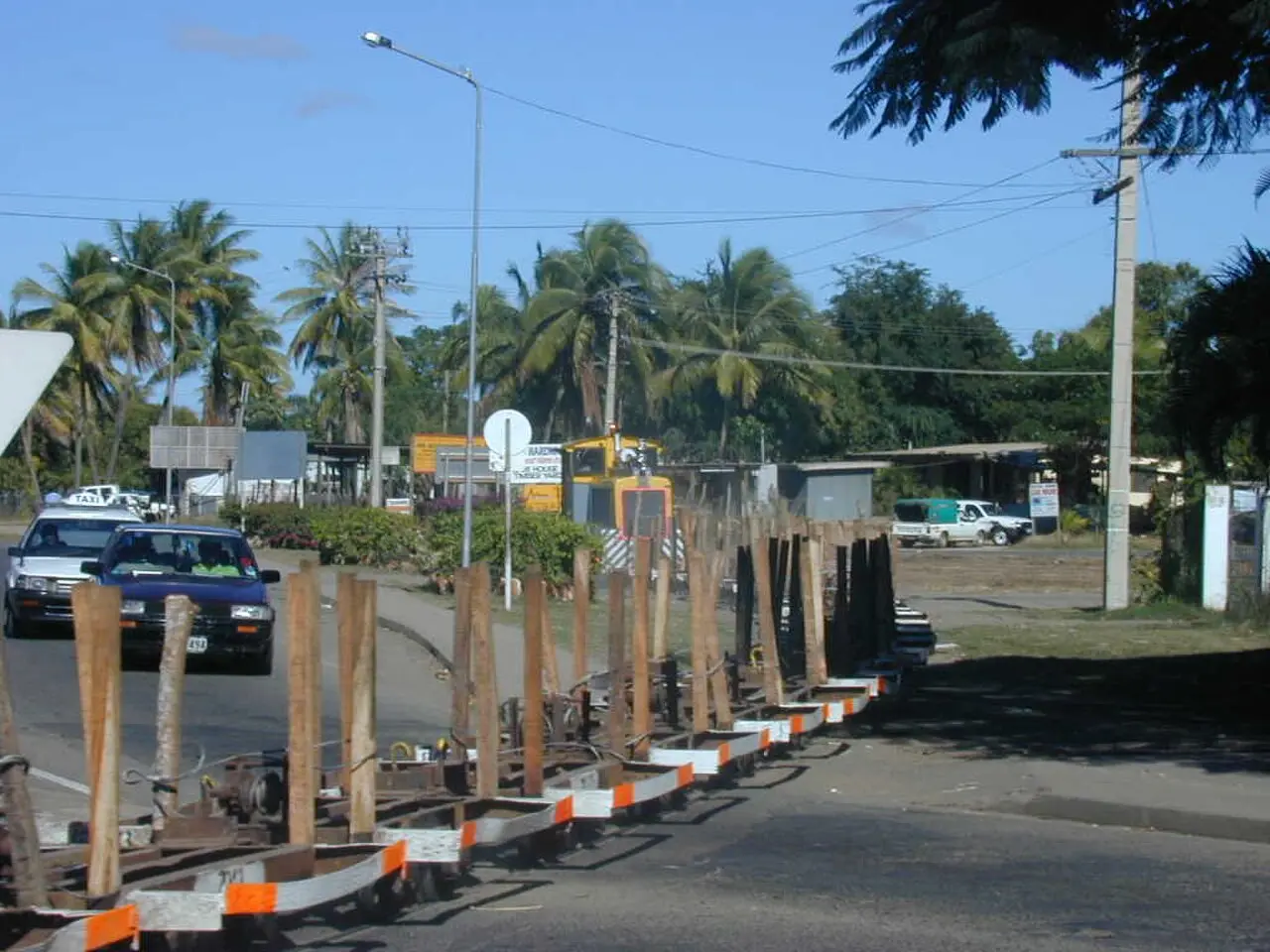
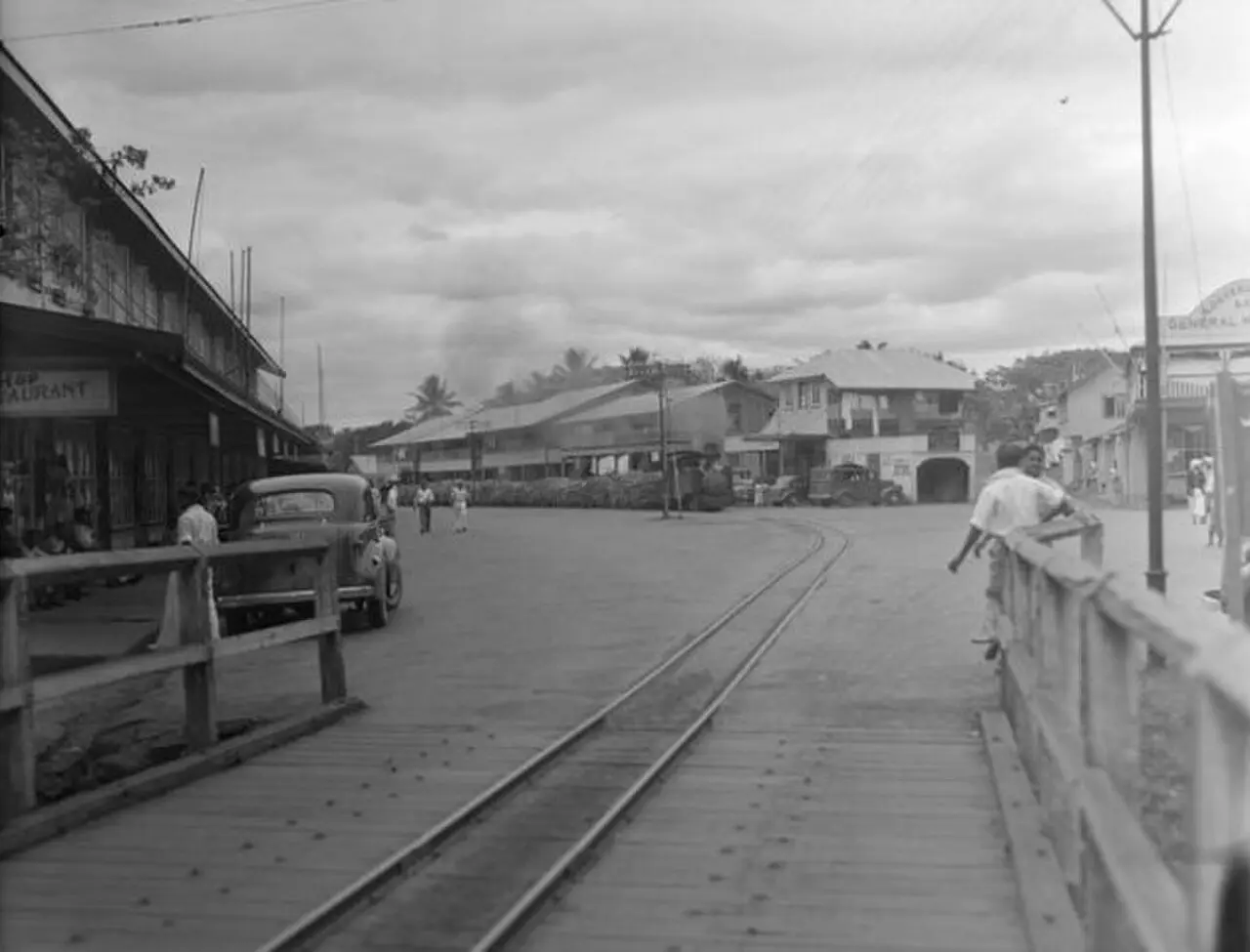
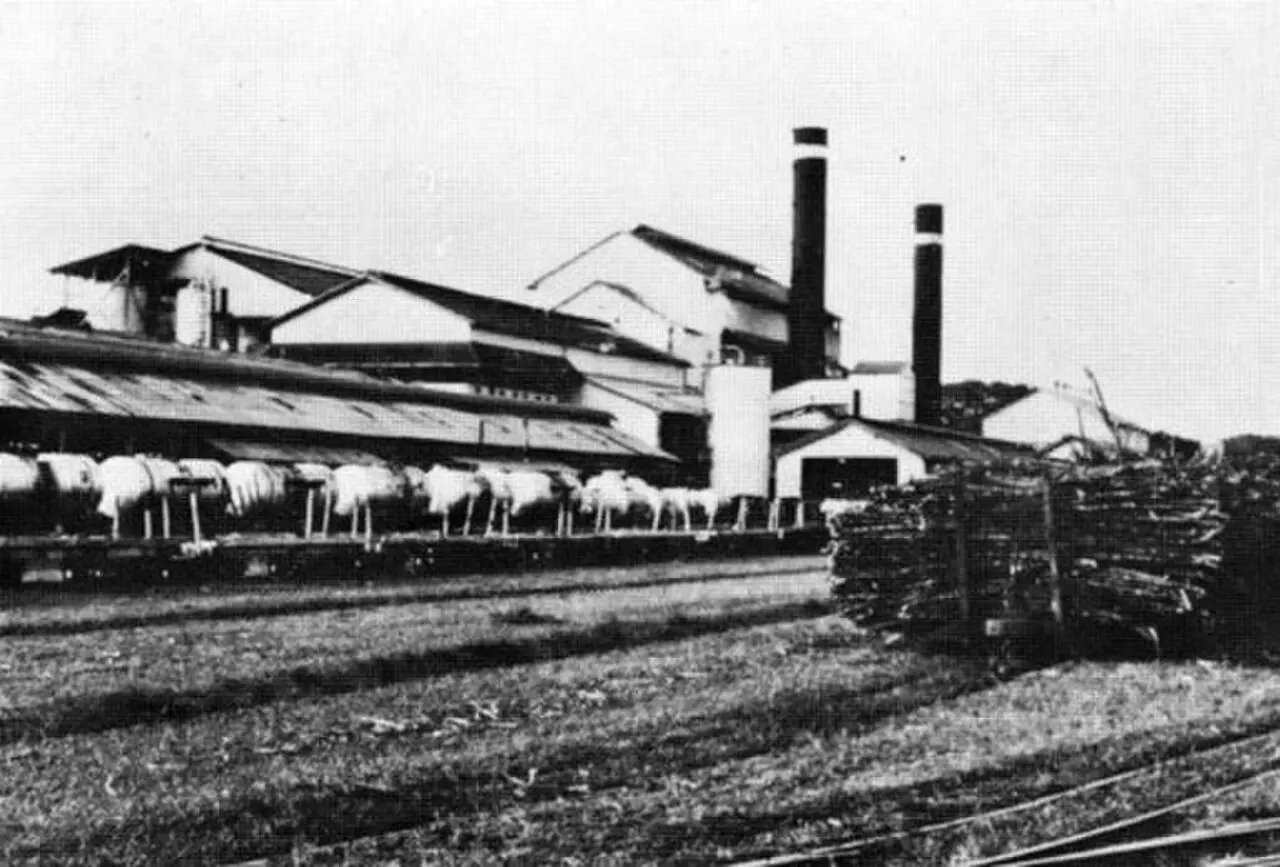
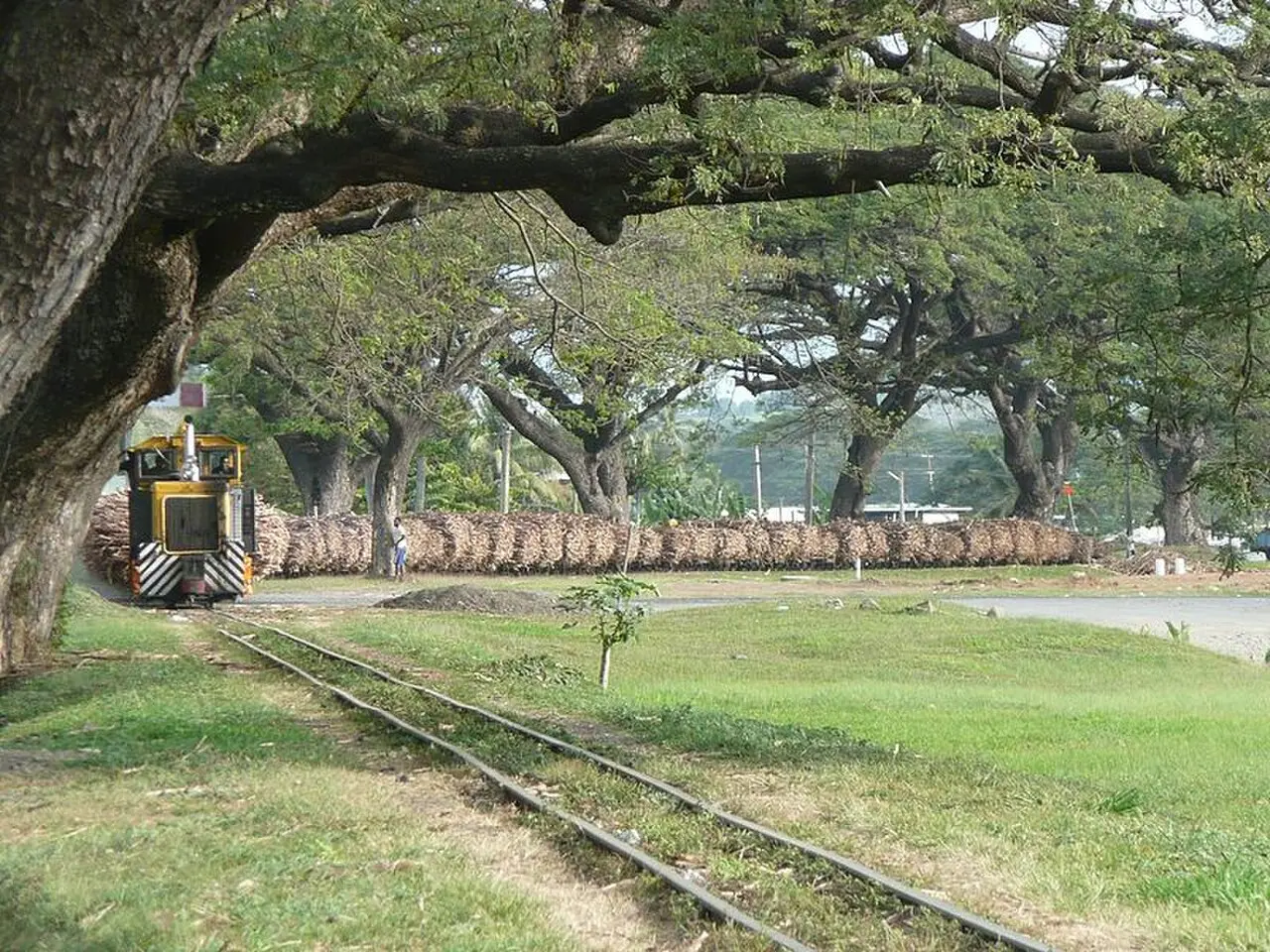
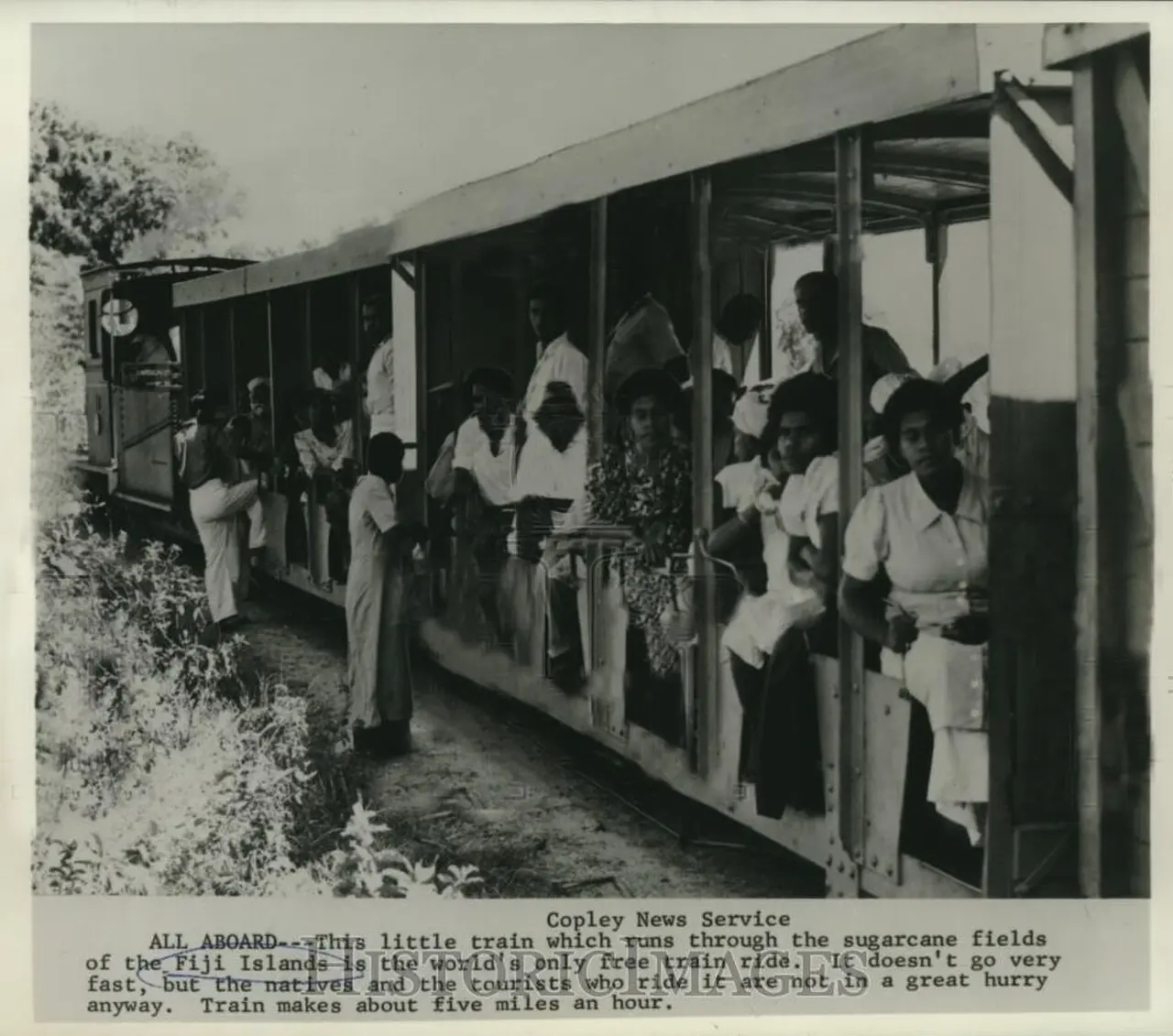
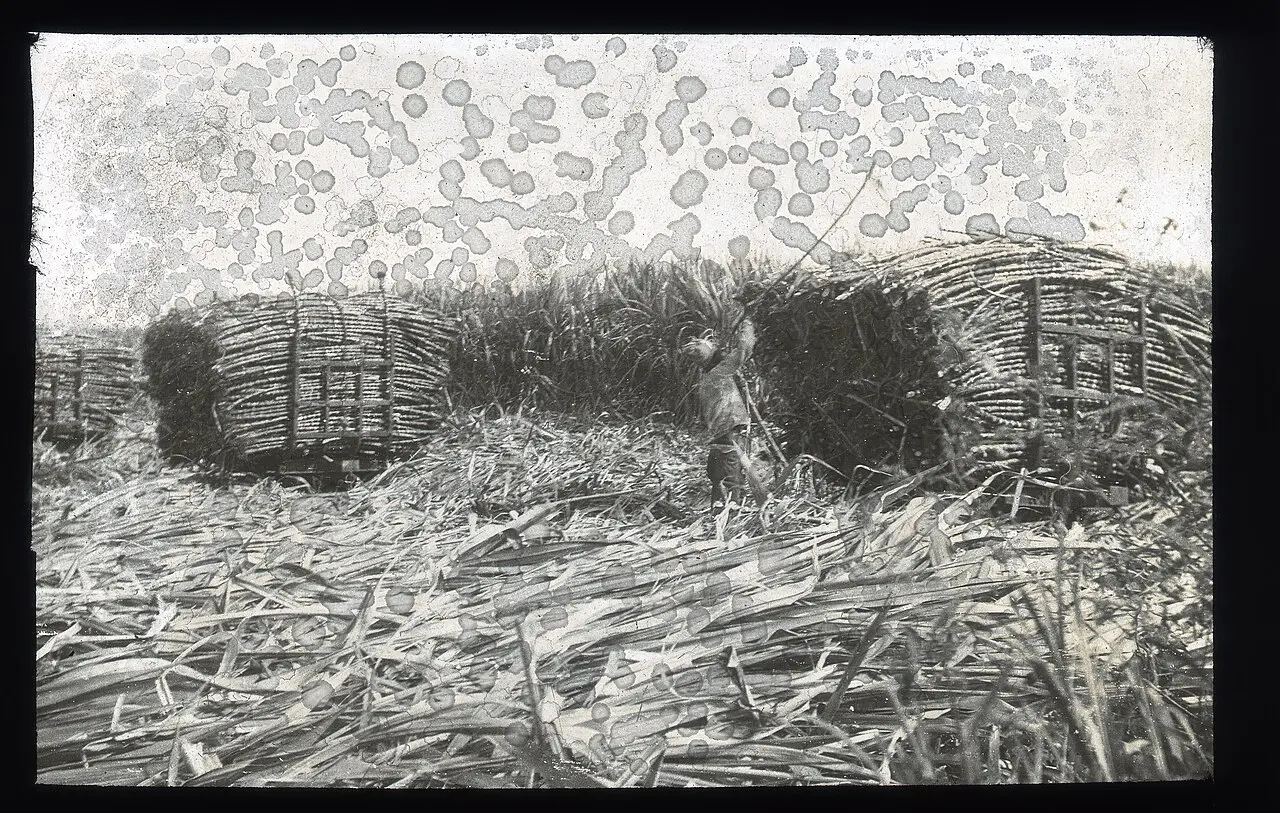
Sugar linked field work, mills, transport and overseas capital.
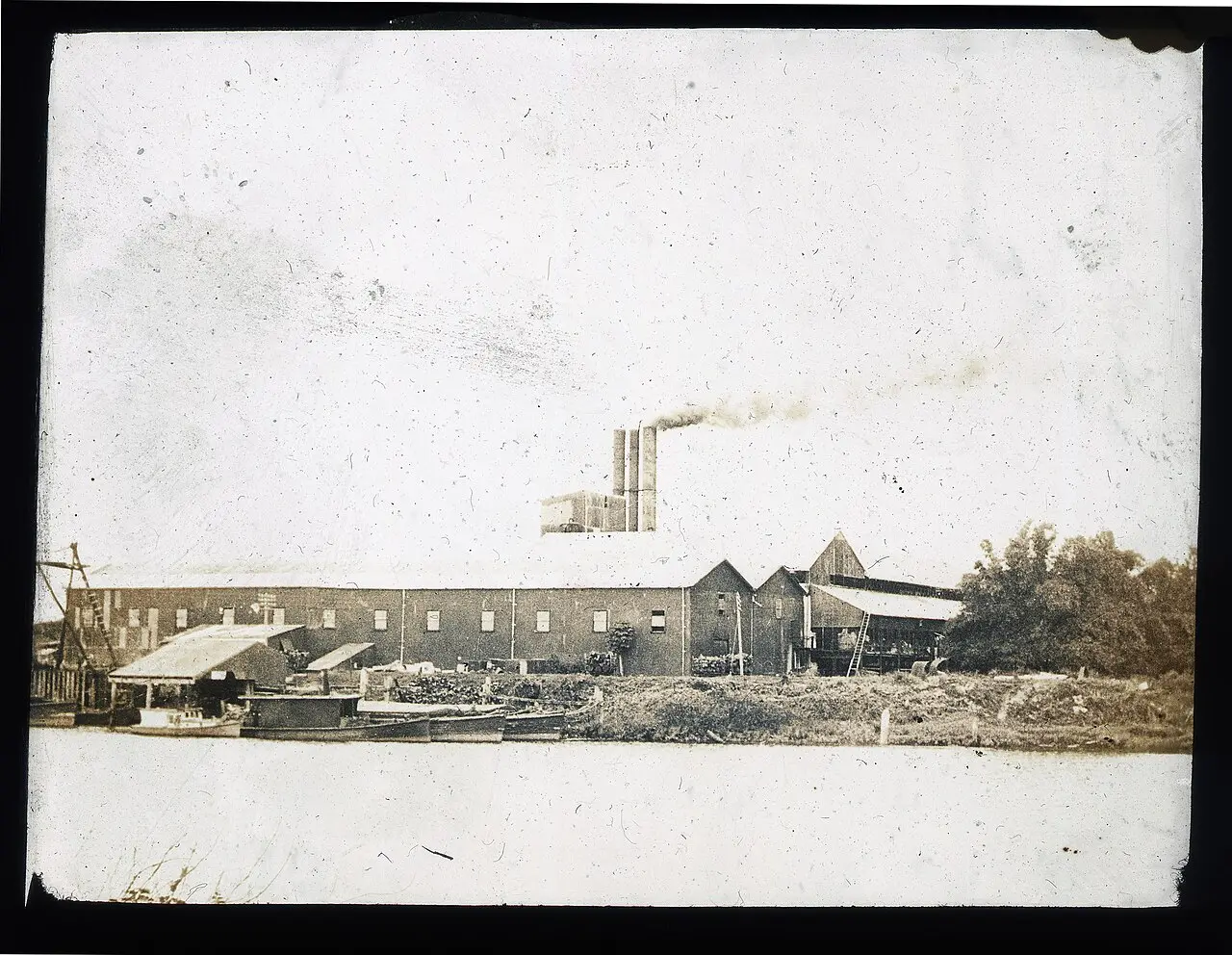
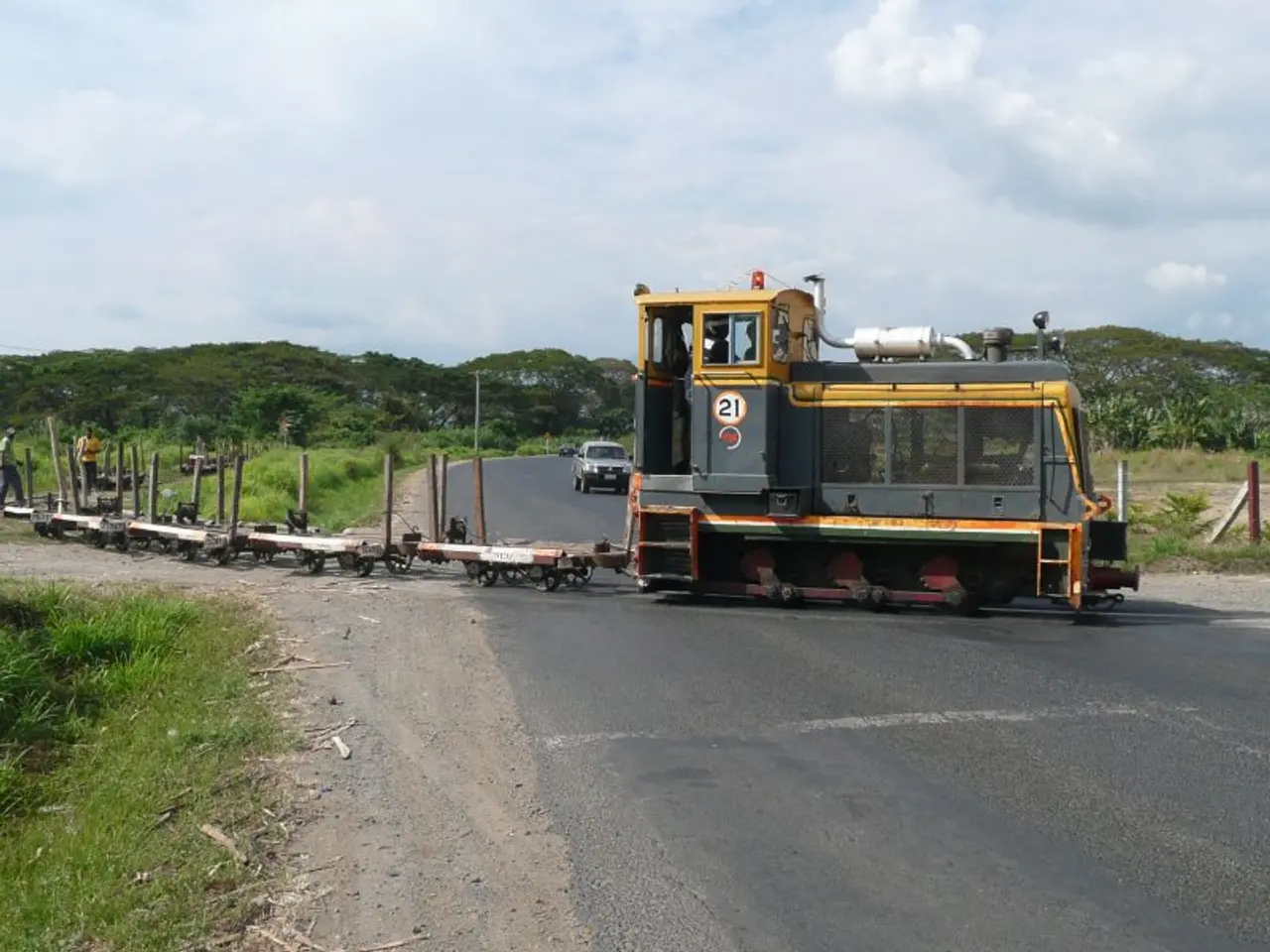
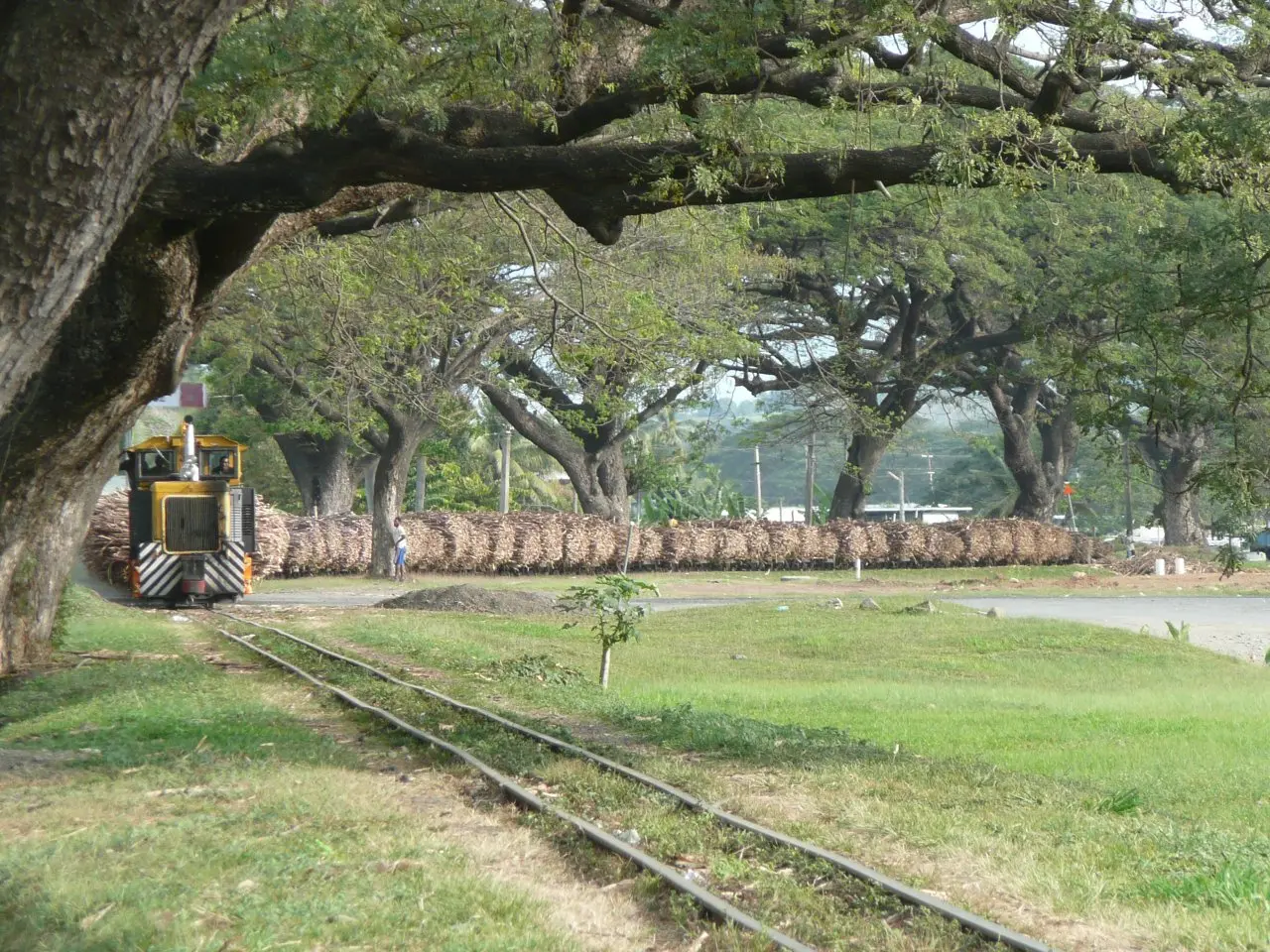
Sugar became central to Fiji’s colonial economy. The Colonial Sugar Refining Company developed mills and exerted substantial influence over the industry. Cane had to move from fields to processing centres, tying rural labour to wider commercial systems.
Economic growth and workers’ experience were not the same story. Reading them together asks who performed the work, who controlled production and how communities made lives within that unequal arrangement.
Sources
- Wikipedia: Colonial Sugar Refining Company ↗
- Wikipedia: Fiji Sugar Corporation ↗
- ANU · Brown or white? A history of the Fiji sugar industry ↗
- Girmit.org · History ↗
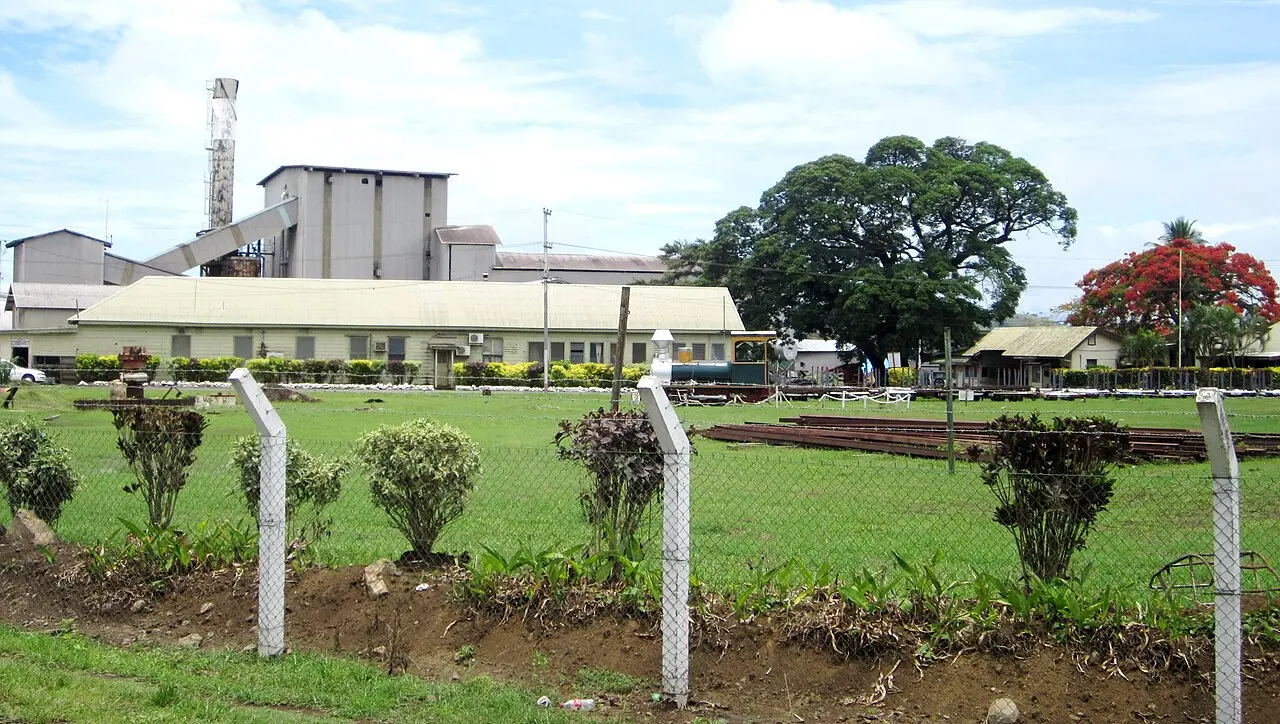
This pictureThe Fiji Sugar Corporation Mill, Penang, Rakiraki. (2013) · Jaejay77 · CC BY-SA 4.0 · record ↗
Chapter text is awaiting cultural and historical review.
 Dimau Group