 1800s to 1850s
c. 1000 BCE164317741804Early 1800s12 October 1835185330 April 18541855187110 October 1874By 187514 May 18791916192010 October 1970
Bêche-de-mer, whalers and beachcombers
1800s to 1850s
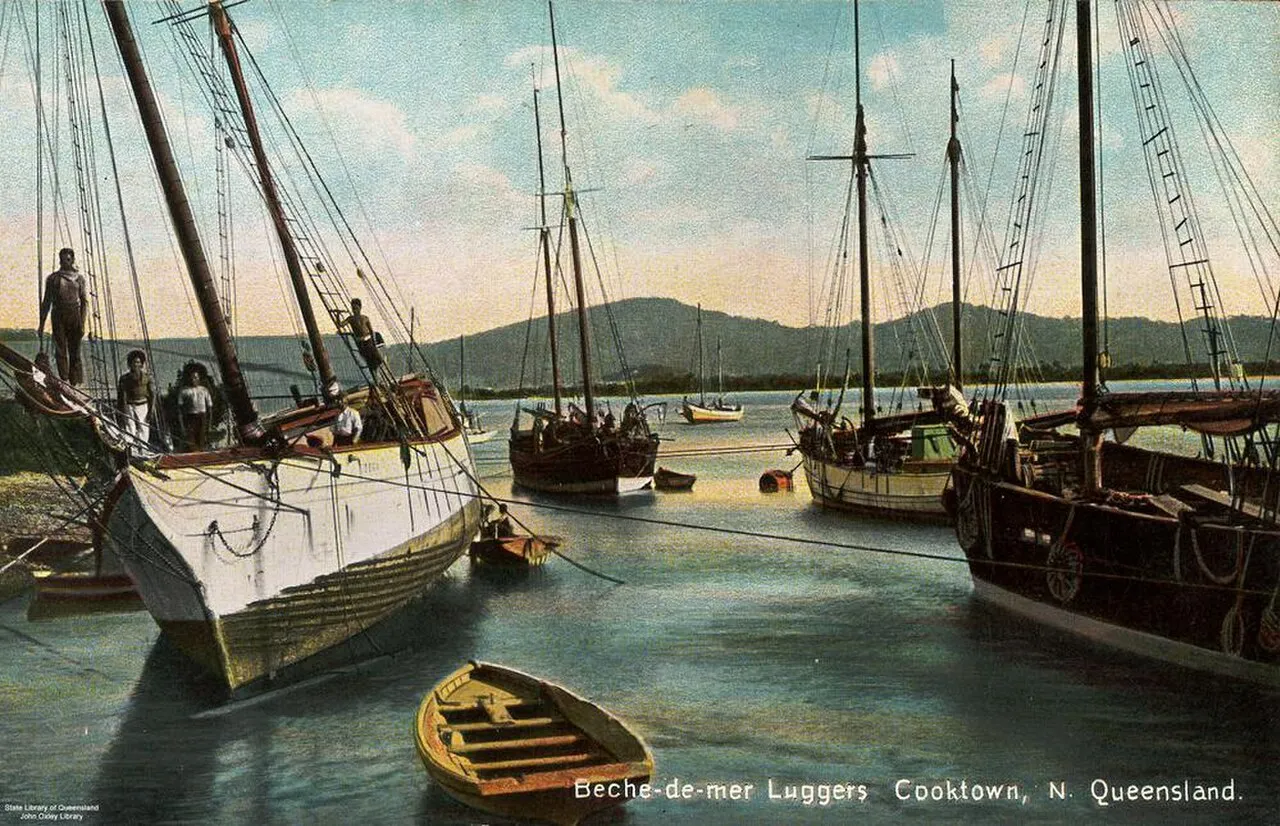
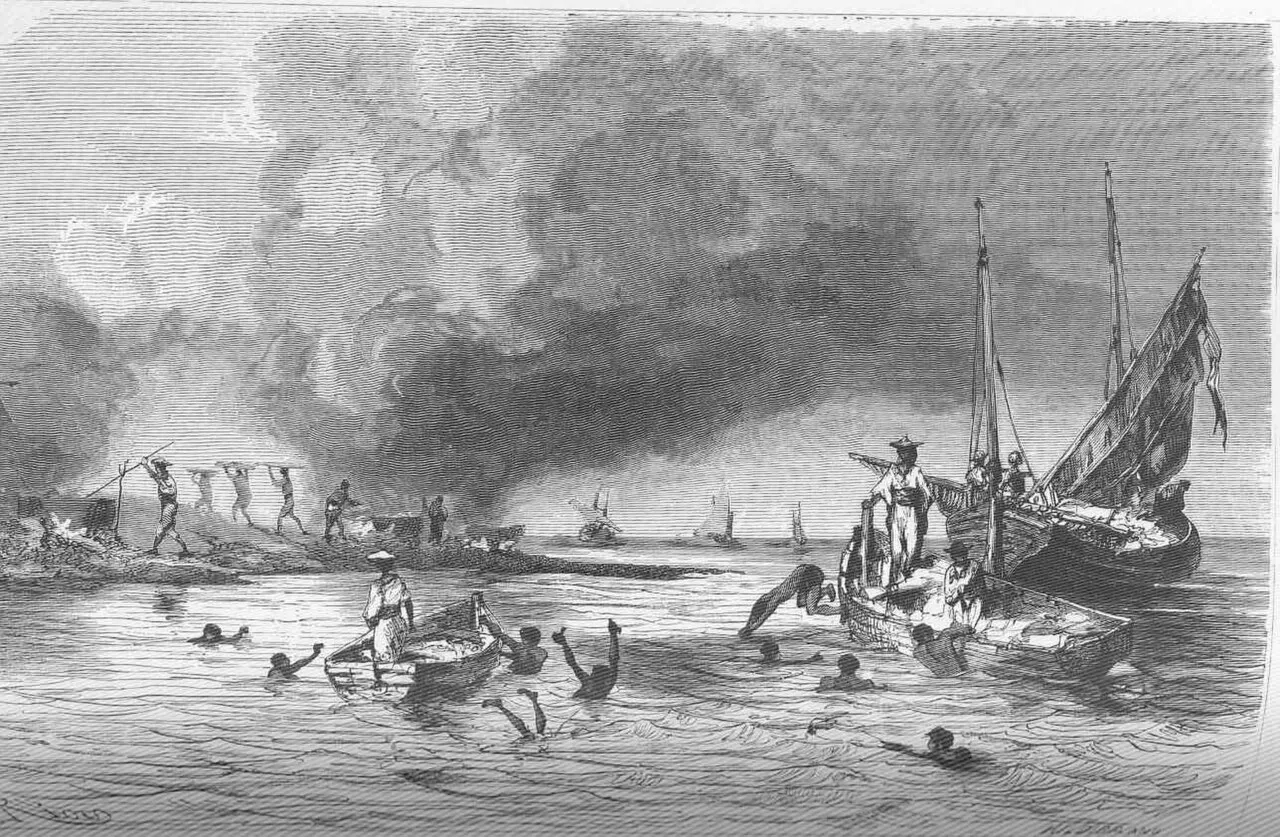
The export trade depended on work along the shore as well as ships at sea.
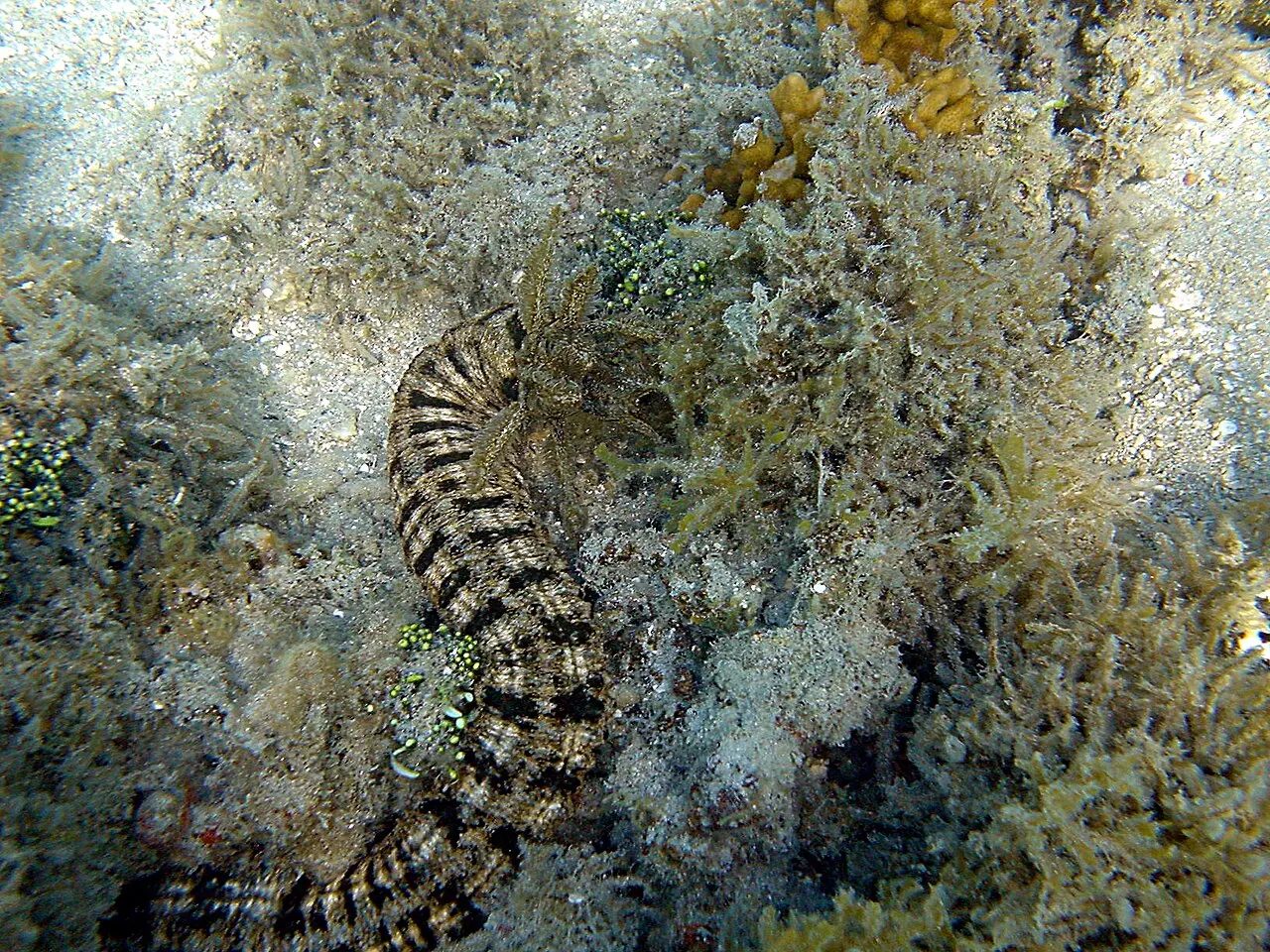
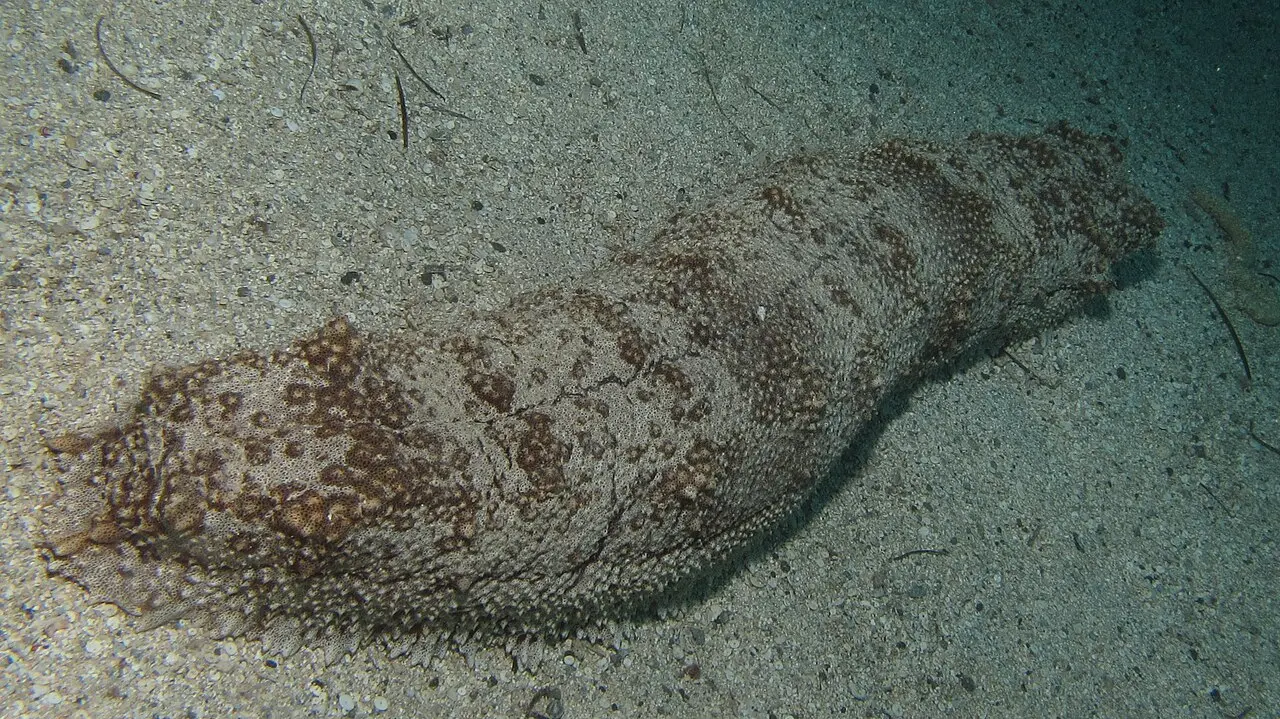
Bêche-de-mer, or sea cucumber, was gathered and processed for overseas sale. Preparing it required labour, fuel and drying facilities. Trading relationships therefore reached beyond a single exchange on a beach.
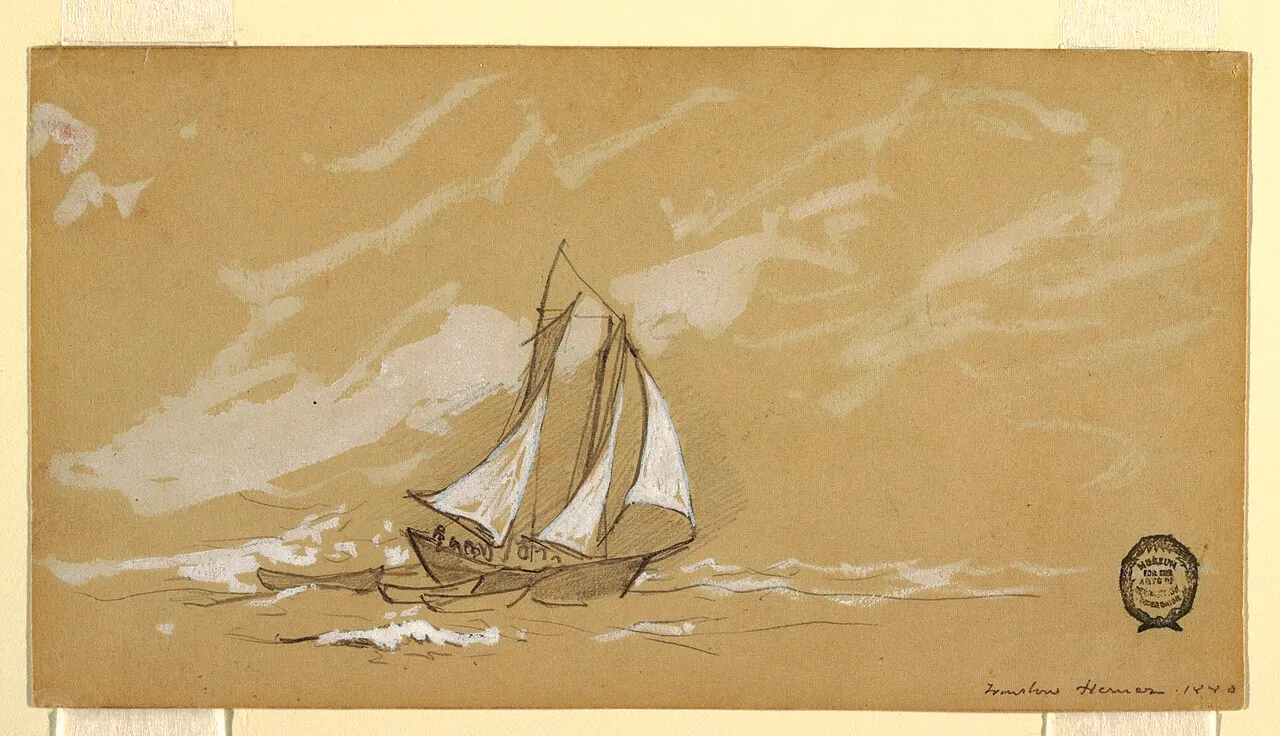
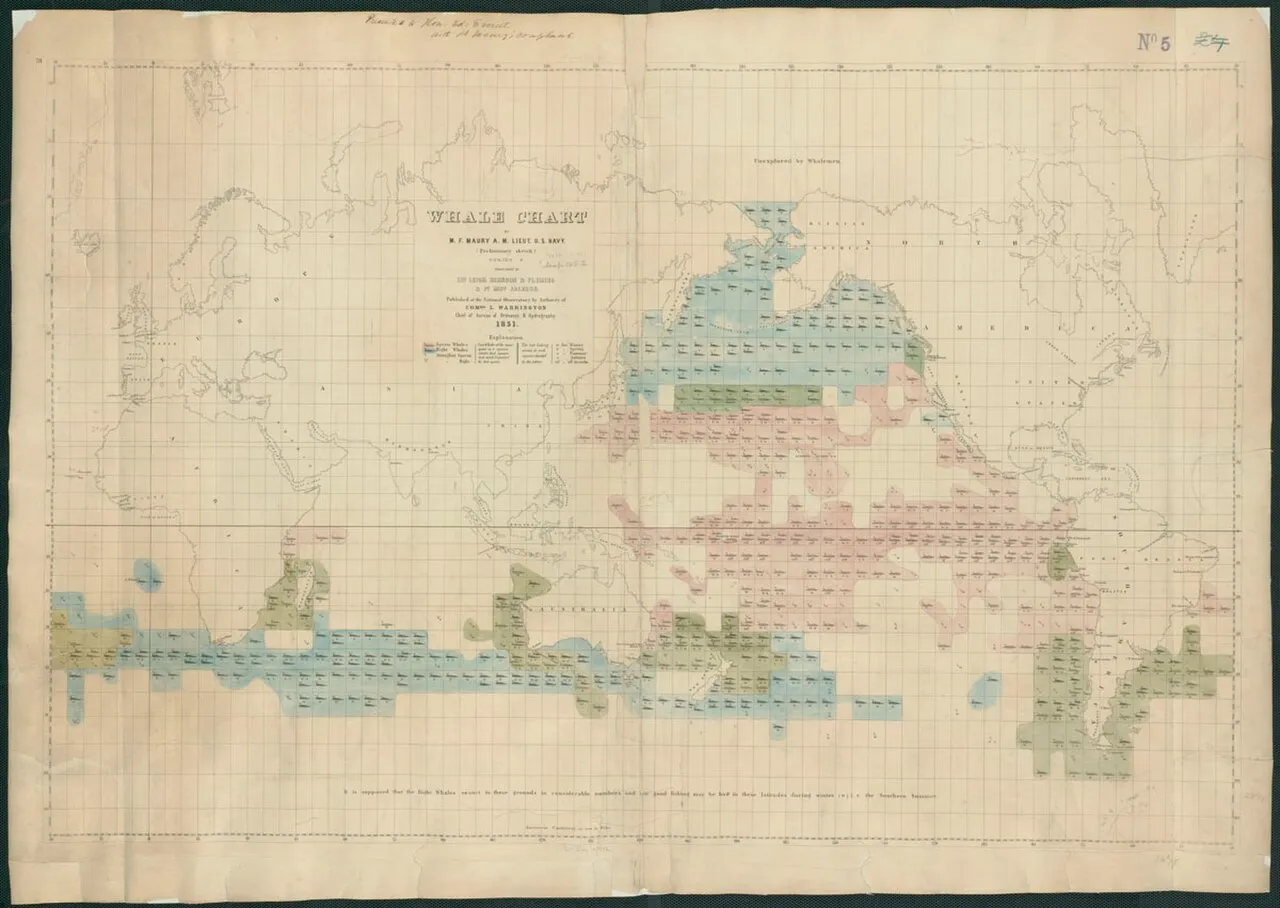
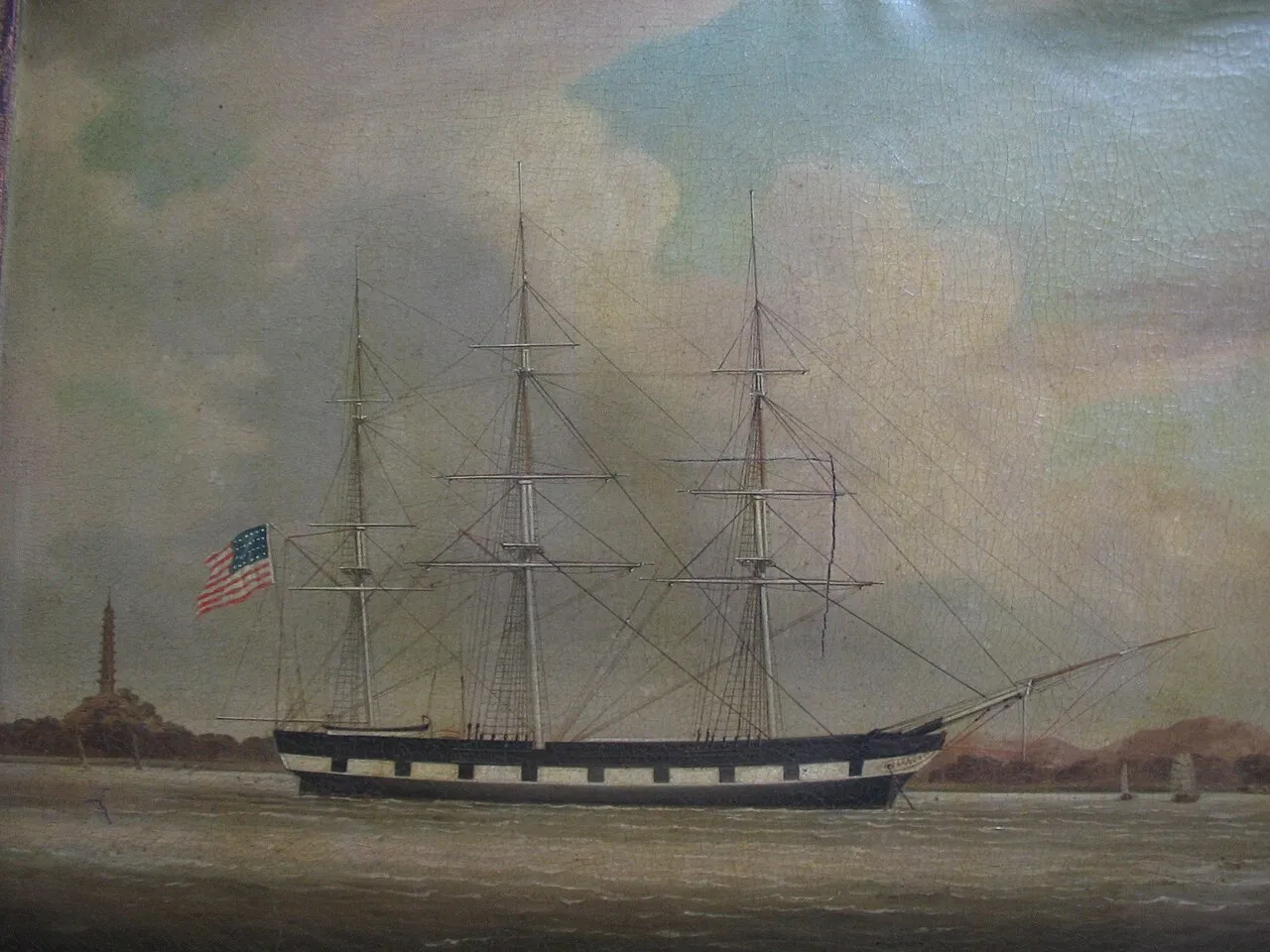
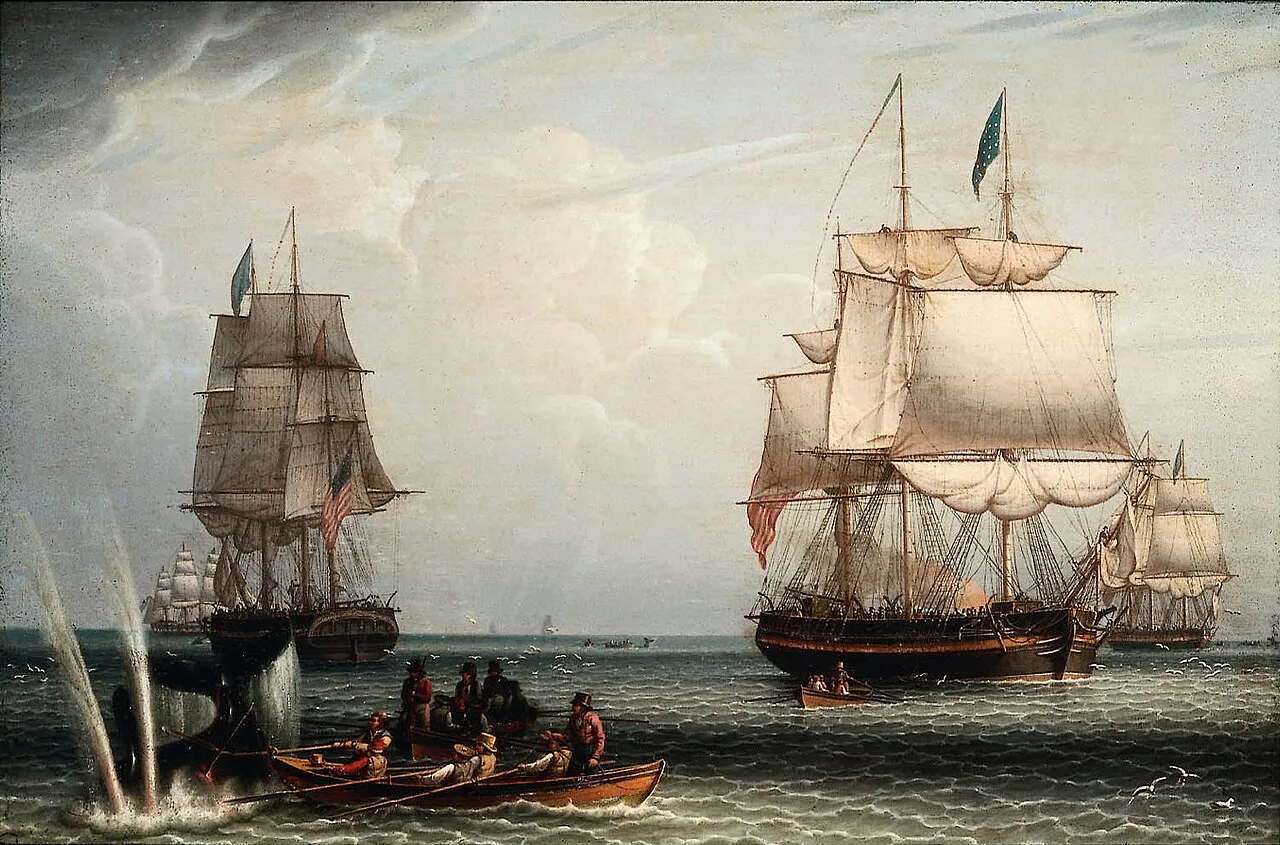
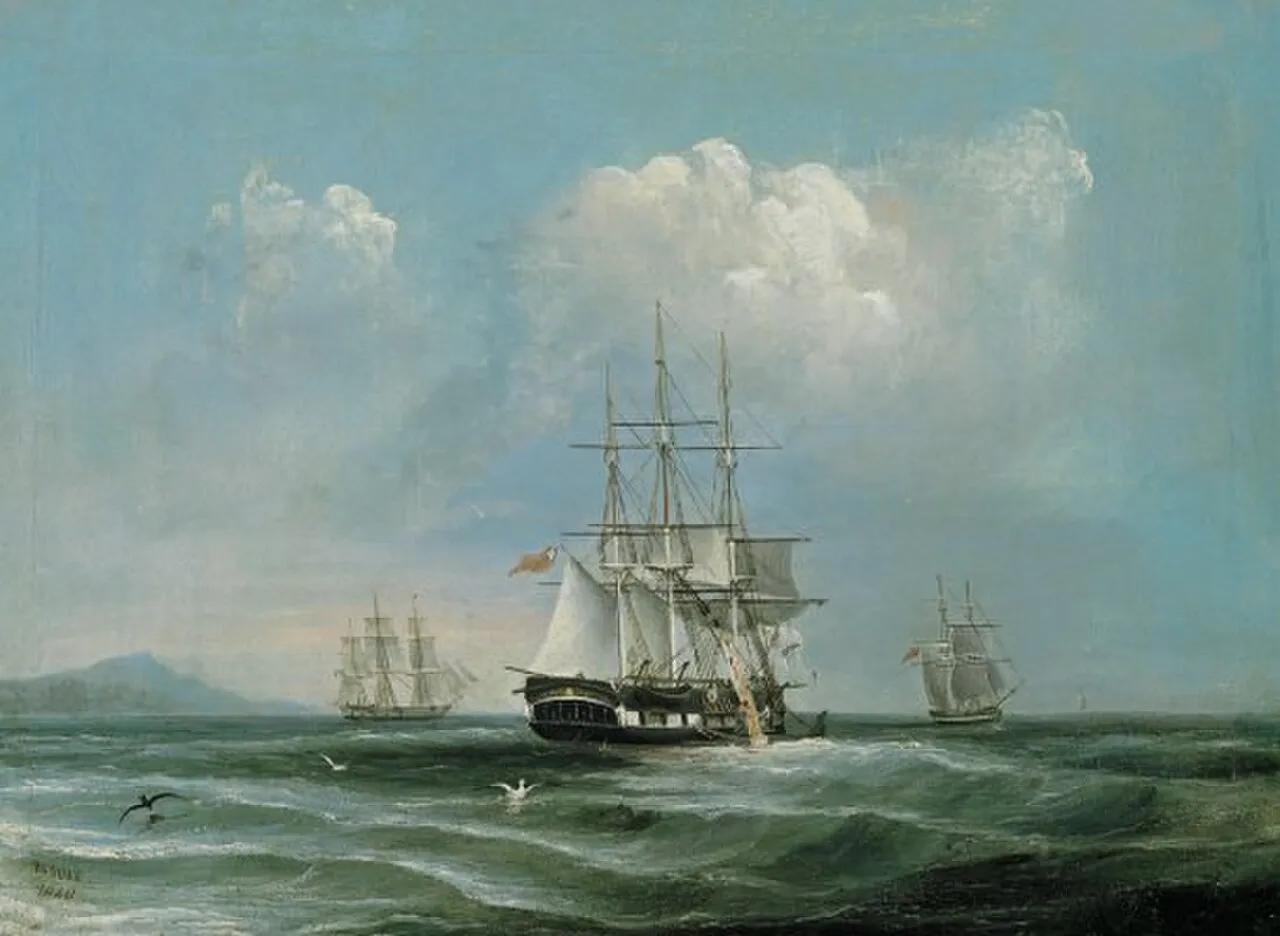
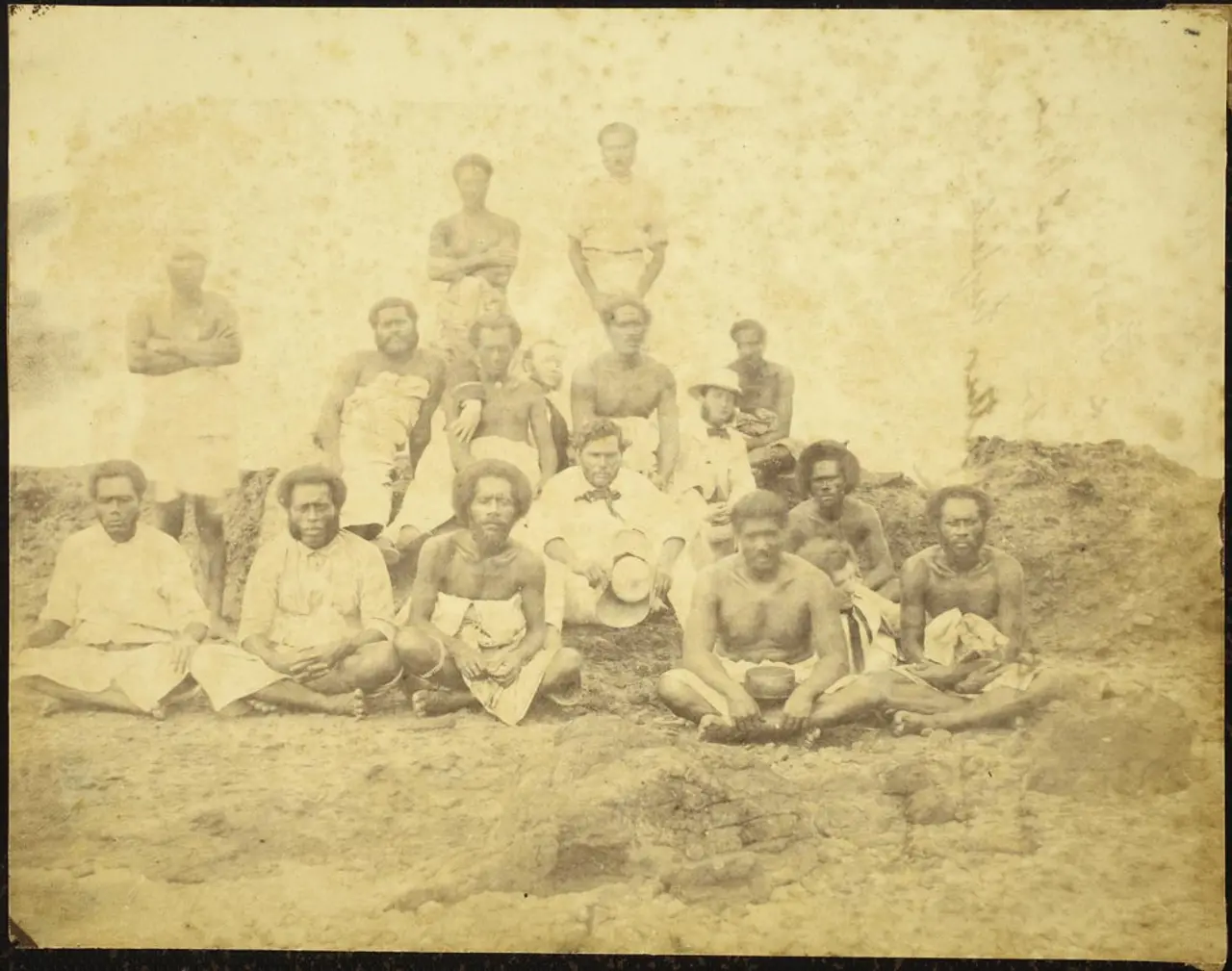
Whalers and resident sailors added other connections. Some beachcombers became interpreters or intermediaries within Fijian communities. Imported goods entered local life through choices made by chiefs, craftspeople and households; the effects were uneven and sometimes violent.
Sources
- Wikipedia: Sea cucumber as food ↗
- Wikipedia: Beachcomber ↗
- Wikipedia: History of Fiji ↗
- Cambridge MAA · Traders ↗
- UNESCO · Levuka Historical Port Town ↗
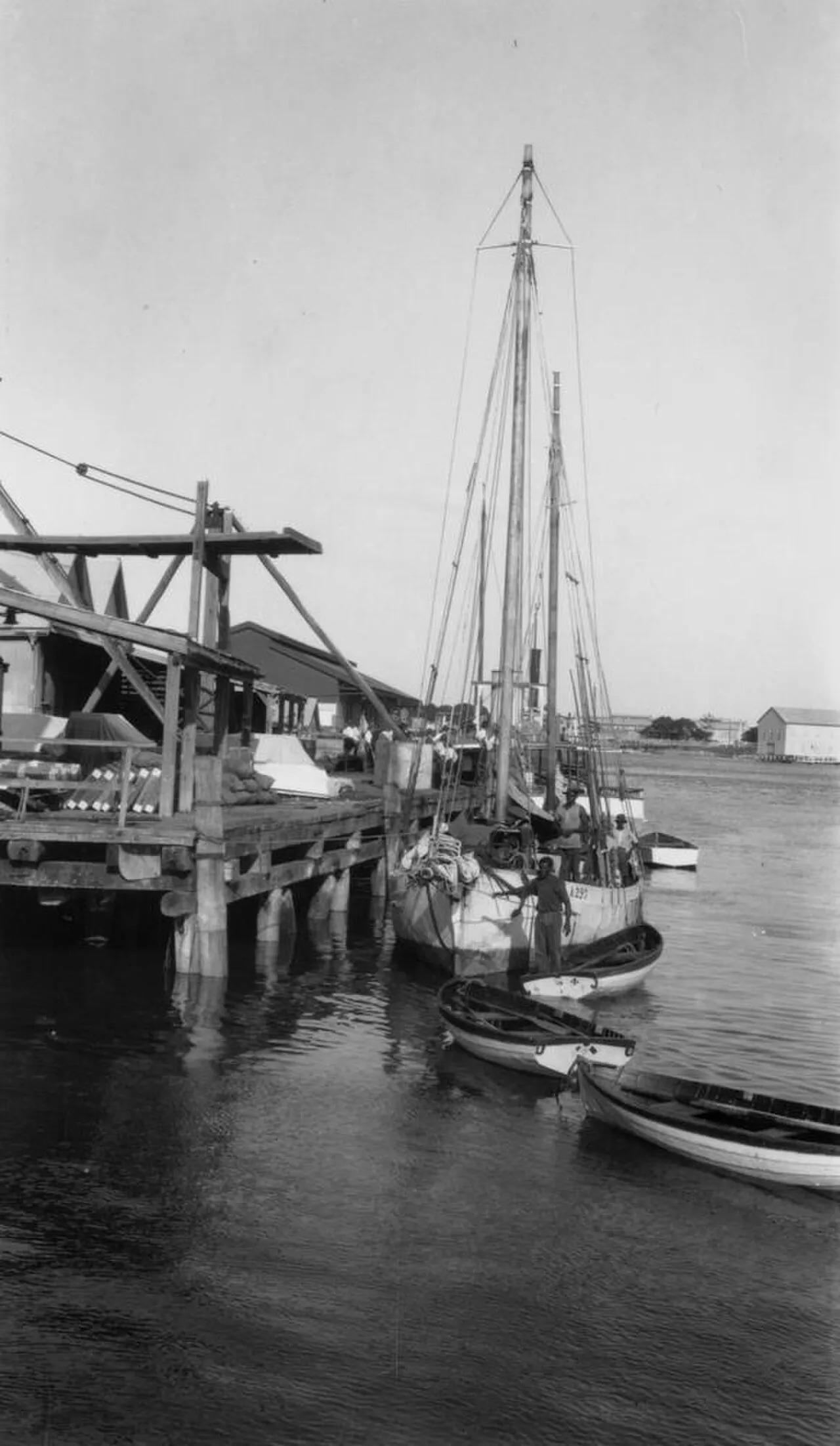
This pictureBêche-de-mer boat moored at Townsville, Australia (1924) · Public domain · record ↗
Chapter text is awaiting cultural and historical review.
 Dimau Group