 About 1804 to 1814
c. 1000 BCE164317741804Early 1800s12 October 1835185330 April 18541855187110 October 1874By 187514 May 18791916192010 October 1970
The sandalwood rush
About 1804 to 1814
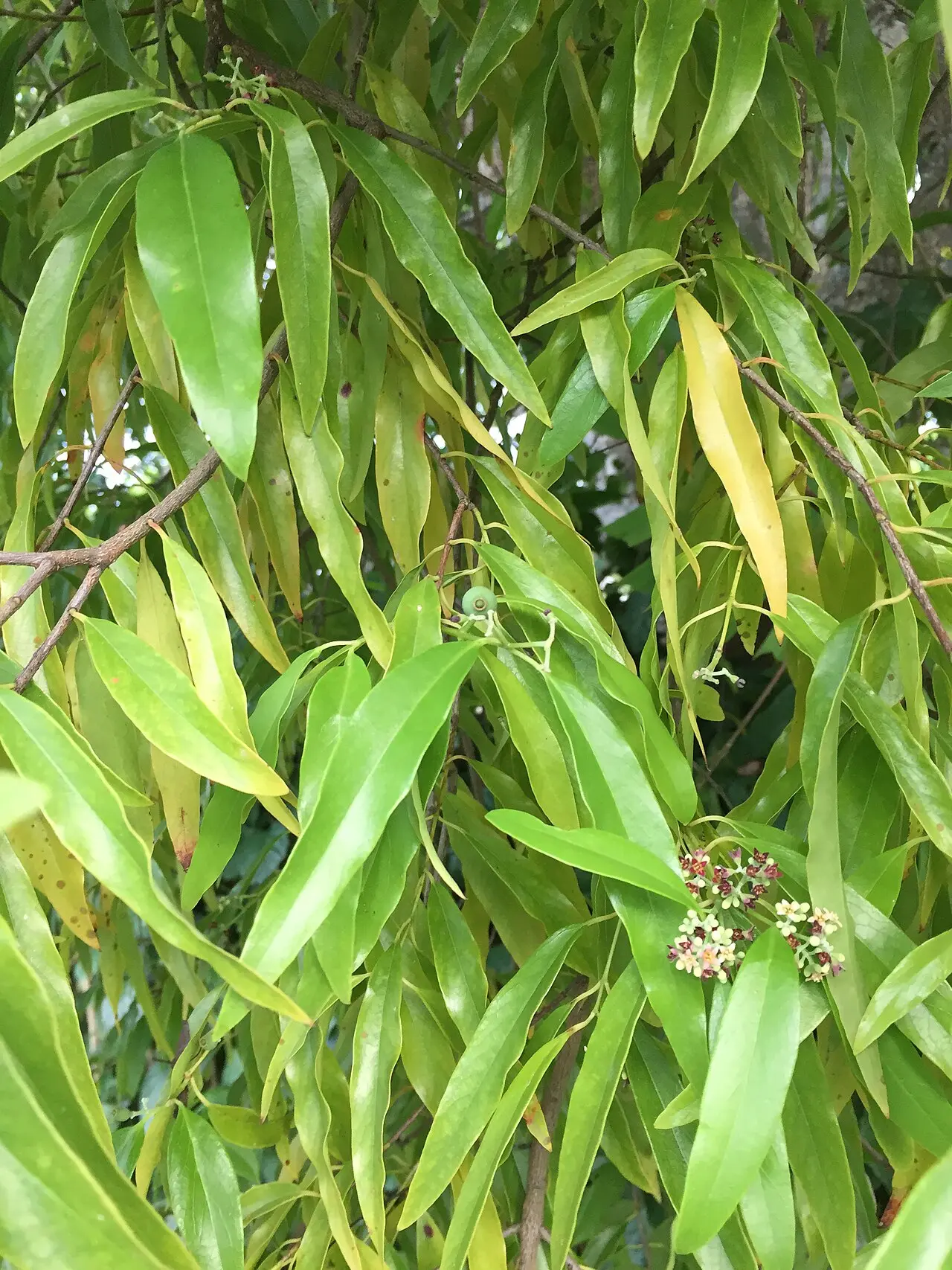
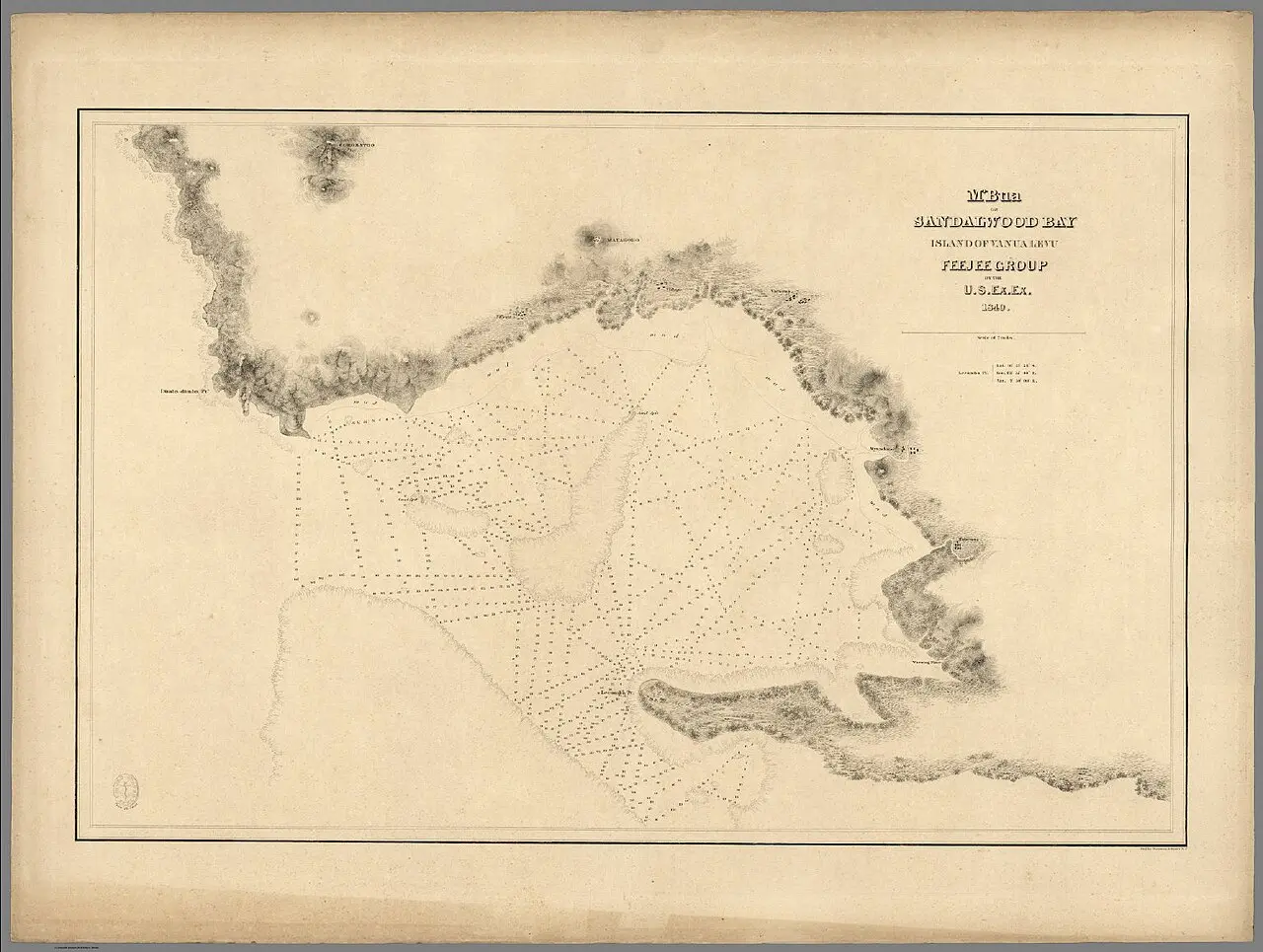
A fragrant tree connected the Bua coast to the China trade.
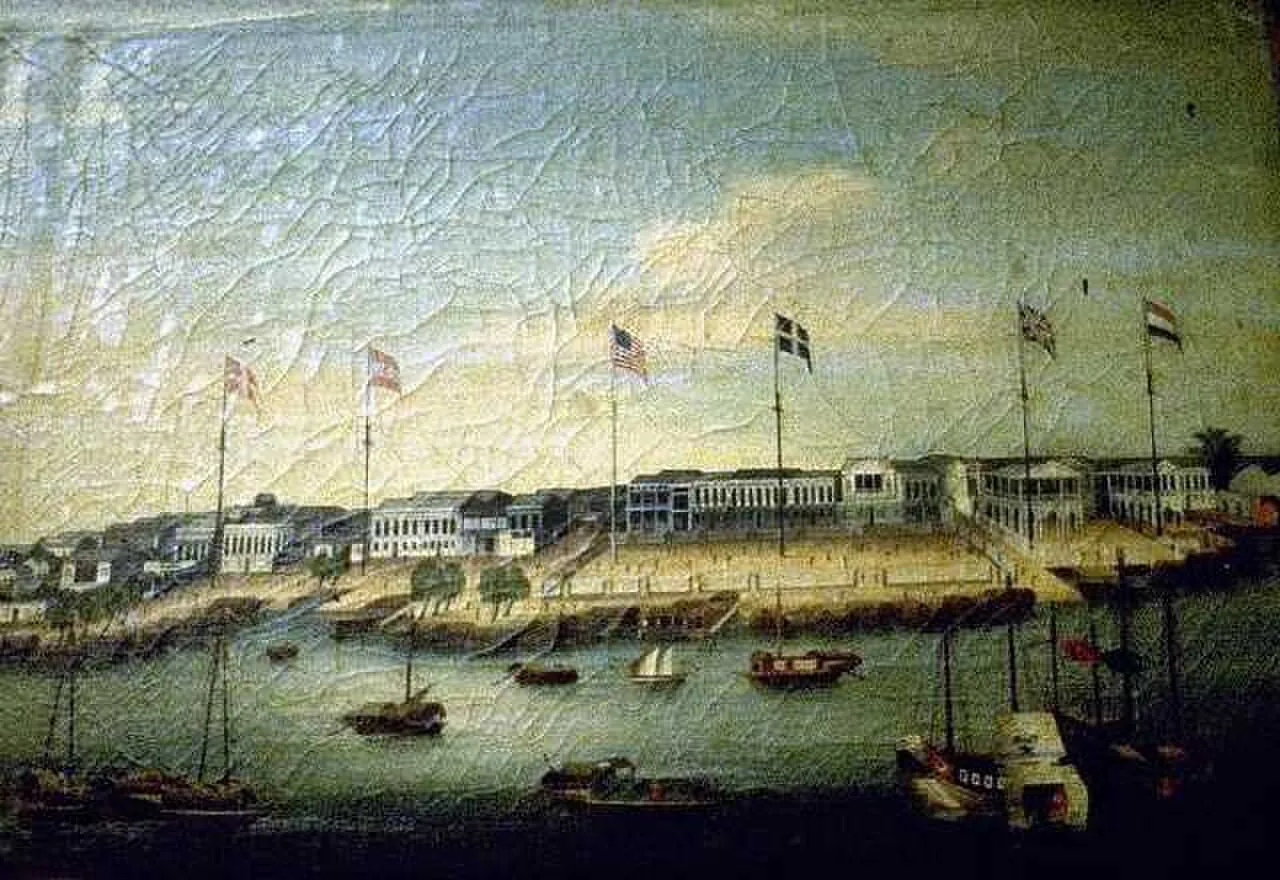
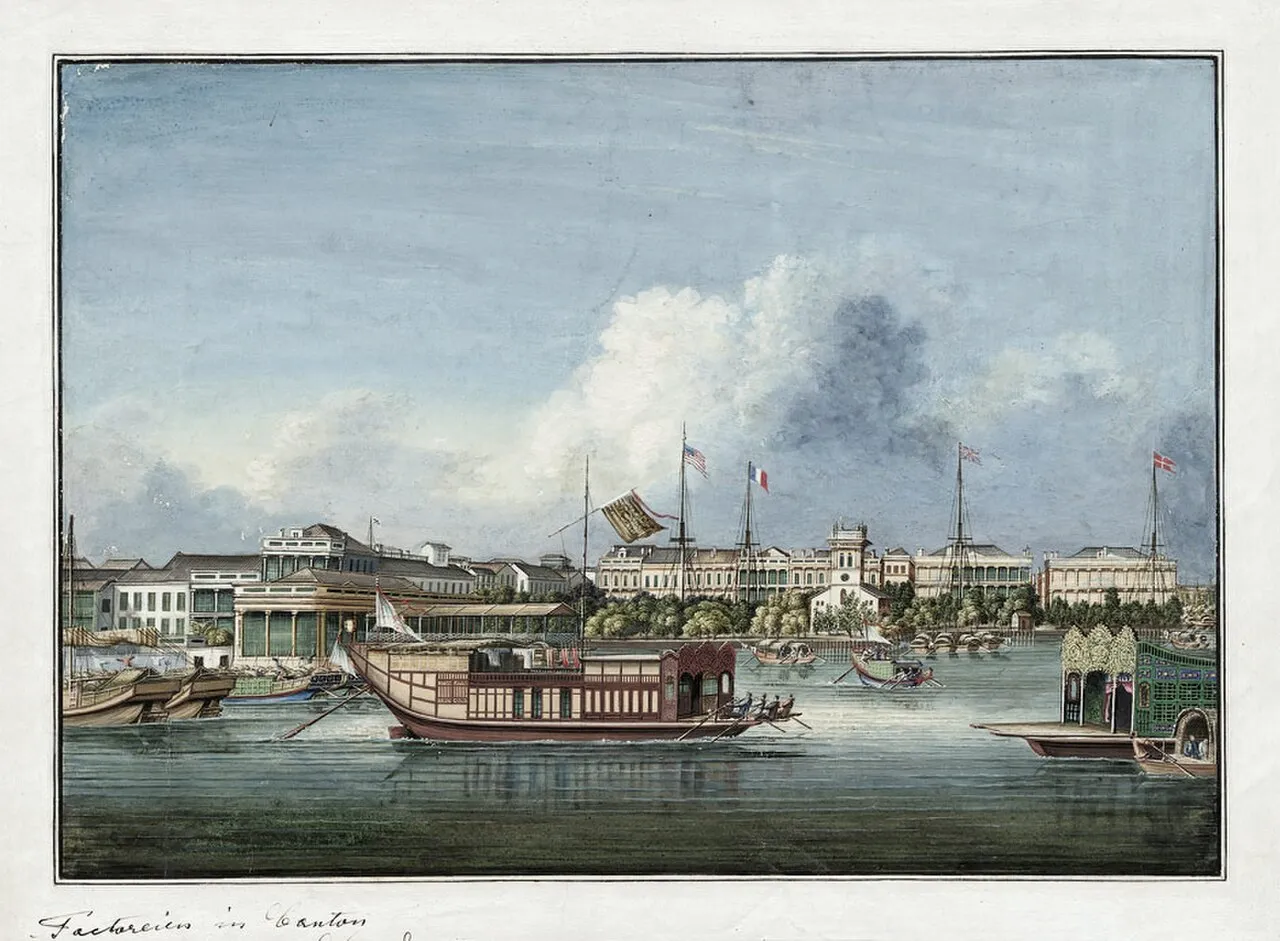
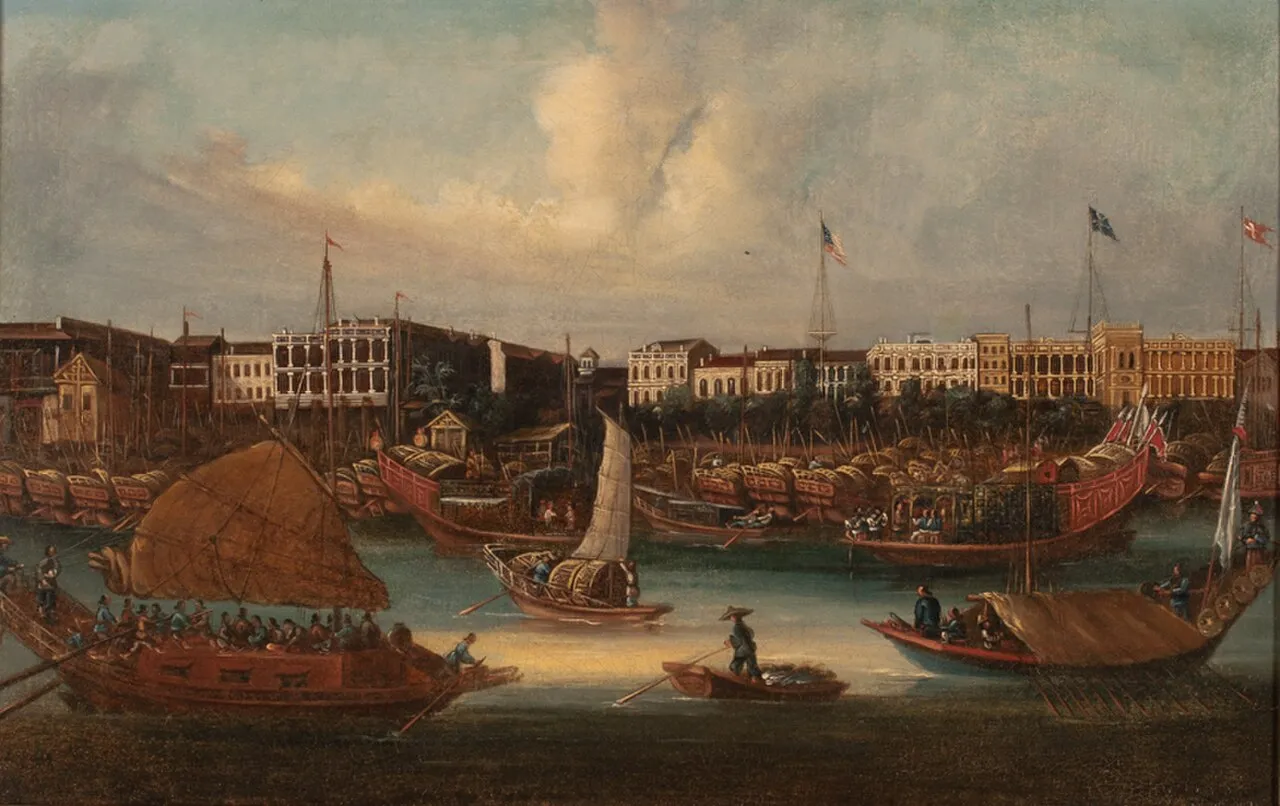
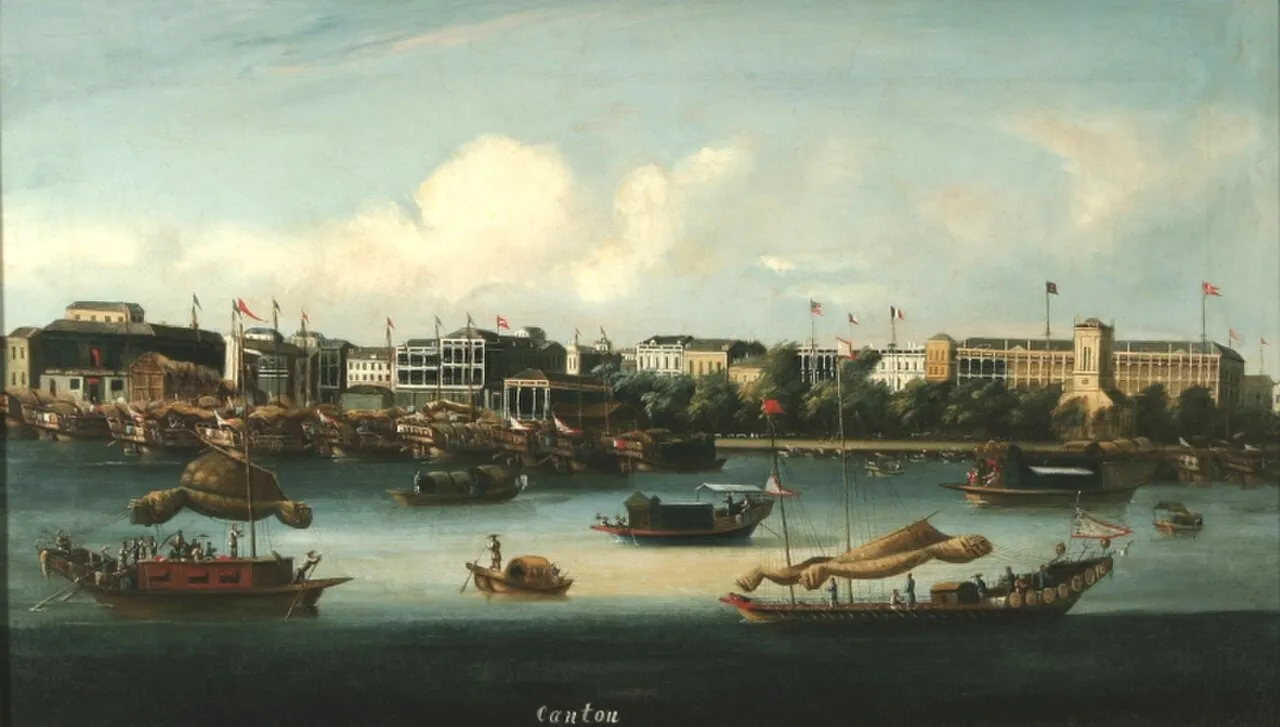
The early nineteenth-century sandalwood trade drew overseas ships to Vanua Levu. Local access to timber and labour was essential; merchants had to deal with people who already controlled the coast and its resources.
Iron tools, cloth, whale ivory and firearms entered exchanges. Accessible sandalwood supplies dwindled rapidly. The story of Charles Savage, a shipwrecked sailor who fought for Bau, belongs within this wider transformation: one foreign gunman alone does not explain Bau’s power.
Sources
- Wikipedia: Santalum yasi ↗
- Wikipedia: Charles Savage ↗
- Cambridge MAA · Traders ↗
- Cambridge MAA · Chiefdoms ↗
This pictureLeaves, flowers, fruit of the Pacific sandalwood tree (2017) · Tauʻolunga · CC BY-SA 4.0 · record ↗
Chapter text is awaiting cultural and historical review.
 Dimau Group